Hey everyone! You know, sometimes I just stop and watch a beautiful butterfly flutter by or observe a busy ant colony marching along, and I’m reminded of the sheer magic of nature right in our backyards.
But have you ever truly paused to consider the incredible journey these tiny creatures undertake just to get from a fragile egg to a fully formed adult?
It’s not just about growing bigger; it’s a meticulously choreographed dance of transformation, often packed with more drama and intricate details than a blockbuster movie!
I’ve spent countless hours observing, reading, and honestly, just being utterly amazed by how insects develop through their various life stages. It’s truly mind-boggling how some go through complete metamorphosis, totally reshaping themselves, while others have a more gradual, yet equally fascinating, path.
With our rapidly changing environment, understanding these delicate, age-specific growth characteristics isn’t just a niche interest anymore; it’s key to appreciating the resilience of our ecosystems and even predicting future trends in nature.
Ready to uncover the secrets behind these miniature marvels? Let’s dive deeper into the astonishing world of insect development and explore exactly what makes each stage so unique.
The Grand Stage: Eggs & Hatchlings – Tiny Beginnings with Big Futures
Where Life’s Epic Journey Kicks Off
You know, it’s truly astonishing to think that the entire, complex life of an insect, from a majestic butterfly to a buzzing bee, starts as something often no bigger than a speck of dust, an unassuming egg.
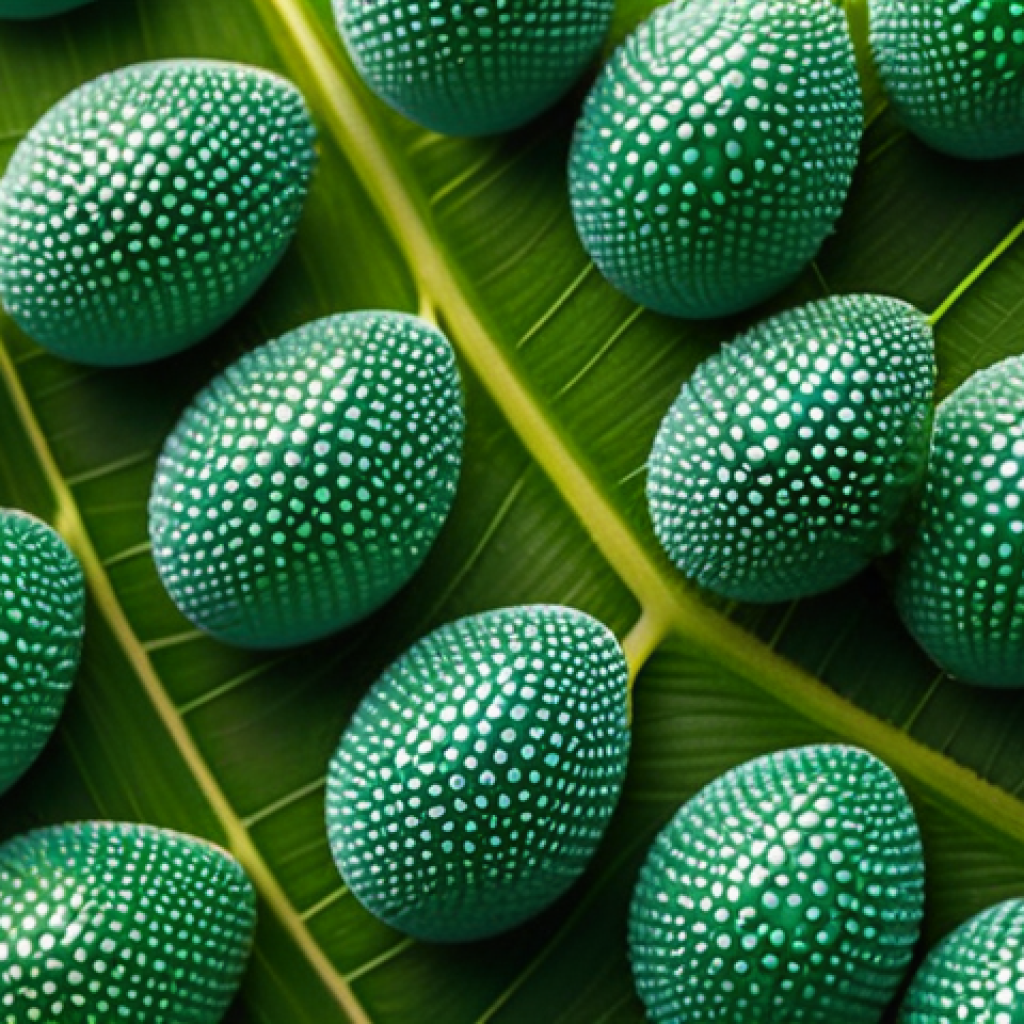
These aren’t just simple little capsules; they’re meticulously crafted marvels, each species with its own unique design, sometimes adorned with intricate patterns, or boasting an almost alien-like form that makes you wonder about the tiny architect within.
I’ve spent hours with a magnifying glass, just marveling at the sheer diversity. Some eggs are laid singly, carefully cemented to a leaf or stem, while others are clustered together in massive batches, often protected by a frothy, hardened secretion or buried safely in the soil.
It’s like nature has an endless playbook for ensuring its tiniest treasures get the best possible start. The mother insect, driven by instinct, makes a critical decision about where to lay her eggs, often choosing a spot that will provide immediate food for her future offspring upon hatching.
This initial choice is paramount, as the environment directly impacts the success of the next generation. The outer shell, though tough, is also permeable enough to allow for gas exchange, a subtle but vital function as the embryo develops.
It’s a delicate balance, protecting the nascent life while allowing it to breathe and grow, truly setting the stage for the dramatic transformations to come.
The Vulnerable Yet Resilient First Steps
Once these tiny bundles of potential hatch, the real adventure begins. What emerges depends entirely on the type of metamorphosis the insect undergoes.
For many, it’s a larva – think of a voracious caterpillar or a grub – a creature often completely unrecognizable from its adult form. These early stages are typically all about one thing: eating.
And I mean *eating*. They are nature’s tiny growth machines, consuming vast amounts of plant matter or other organic material, rapidly increasing in size.
Their rigid exoskeletons, however, don’t grow with them. This means they have to shed their skin, a process called molting or ecdysis, multiple times to accommodate their expanding bodies.
It’s a vulnerable period, as the insect is soft and exposed immediately after a molt, but it’s absolutely essential for growth. I’ve witnessed a caterpillar struggle out of its old skin, and it’s a moment of both intense effort and profound fragility.
Each successful molt marks a new “instar,” a fancy term for a developmental stage between molts, bringing them closer to their next, often dramatic, transformation.
The Great Unveiling: Complete Metamorphosis – A Radical Redesign
From Caterpillar to Chrysalis: Nature’s Secret Workshop
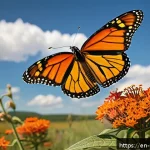
Have you ever just stopped to truly appreciate the sheer magic of a butterfly emerging from its chrysalis? It’s not just a little change; it’s a complete, jaw-dropping overhaul.
This incredible process, known as complete metamorphosis or holometabolism, involves four distinct life stages: egg, larva, pupa, and finally, the adult.
What makes it so utterly fascinating, and a little mind-boggling, is how radically different the larval stage is from the adult. Imagine a fuzzy caterpillar munching away on leaves – its sole purpose is to eat and grow.
It’s essentially a digestive tube on legs! But then, something truly extraordinary happens. After several molts as a larva, it enters the pupal stage.
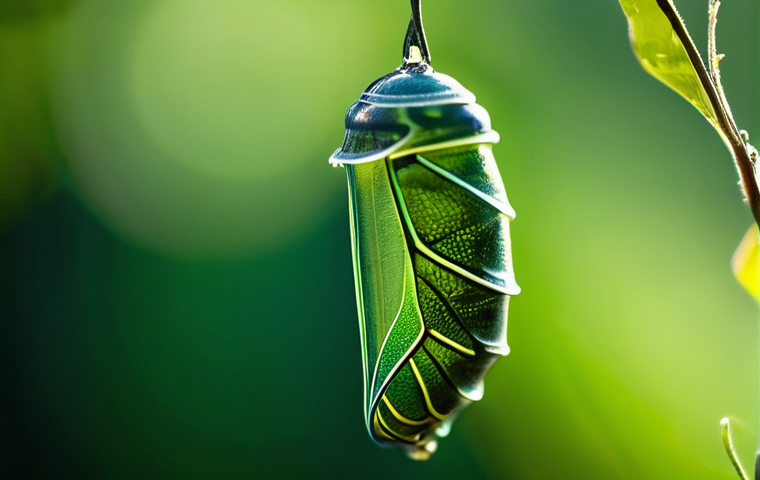
This is where the magic truly unfolds, often within a protective casing like a butterfly’s chrysalis or a moth’s silken cocoon. Inside this seemingly inactive shell, the insect undergoes a profound physiological reorganization.
Almost all larval tissues break down, and adult structures are formed from specialized cells called imaginal discs. It’s like their entire body is liquefied and then rebuilt from scratch – a total internal redesign.
Witnessing a pupa, dormant and still, yet knowing the intense biological activity occurring within, always fills me with a sense of wonder.
The Glorious Emergence: A New Chapter
The pupal stage can last anywhere from a few weeks to several months, or even years, depending on the species and environmental conditions. It’s a quiet, vulnerable time, but absolutely pivotal.
When the internal reconstruction is complete, the pupa sheds its skin one last time, and an adult emerges. This adult form is almost always equipped for entirely different functions than its larval counterpart.
While larvae are focused on growth and feeding, adults are primarily geared towards reproduction and dispersal. Think of the difference between a sluggish, leaf-munching grub and a beautifully winged beetle soaring through the air.
The adult often has wings (if it’s a winged insect, of course), fully developed reproductive organs, and a completely different set of mouthparts adapted for nectar, pollen, or other adult food sources, or sometimes no feeding at all.
It’s a marvel of evolutionary efficiency, allowing different life stages to exploit different resources and habitats, minimizing competition between generations.
This incredible transformation is a testament to nature’s ingenuity and adaptability, allowing these creatures to survive and thrive across incredibly diverse ecological niches.
A Gentler Path: Incomplete Metamorphosis – Growing Pains and Progress
From Nymph to Adult: A Gradual Evolution
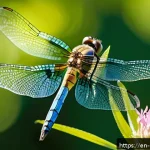
Not all insects undergo such a dramatic, wholesale transformation. Many, like our familiar grasshoppers, crickets, and dragonflies, follow a path known as incomplete or gradual metamorphosis.
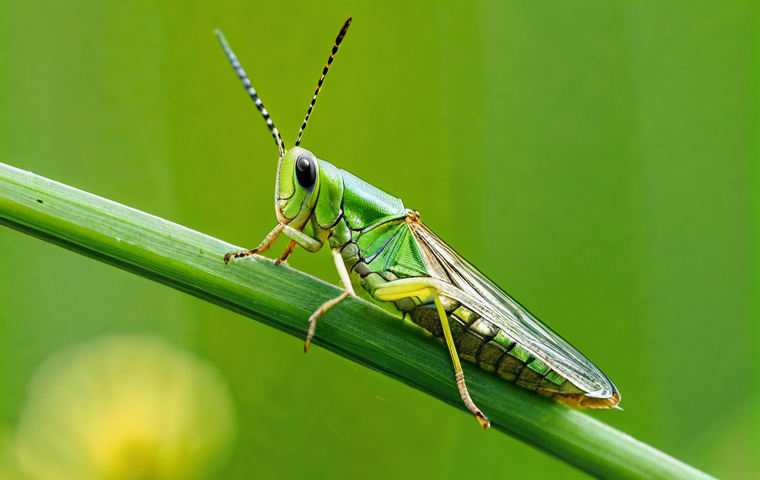
This lifecycle is characterized by three main stages: egg, nymph, and adult. What strikes me as particularly neat about this process is the “mini-me” aspect – the nymphs that hatch from the eggs often bear a striking resemblance to the adult form, just smaller and, crucially, without fully developed wings or reproductive organs.
I remember finding a tiny grasshopper nymph in my garden once, and it looked exactly like a miniature version of the adults I’d seen, just with stubby wing pads instead of full wings.
These nymphs don’t have a pupal stage; instead, they grow by molting their exoskeletons multiple times, gradually increasing in size and developing their adult features with each successive molt.
It’s less of a radical redesign and more of a steady progression, a continuous growth spurt rather than a complete overhaul.
Living and Learning: Shared Habits and Habitats
One of the most defining characteristics of incomplete metamorphosis is the close similarity in lifestyle between the nymphs and the adults. They typically share the same habitat, often eat the same types of food, and exhibit similar behaviors.
For instance, a grasshopper nymph will be munching on grasses right alongside its adult counterparts. This can sometimes lead to competition for resources within the same species, which is an interesting ecological dynamic.
As the nymphs grow and molt, their wing pads become progressively larger with each instar, until, after their final molt, they emerge as fully winged, reproductively mature adults.
For some aquatic insects like dragonflies, their nymphs (often called naiads) live entirely underwater, breathing through gills, only to emerge as winged adults that soar through the air.
This shift, while still a change in environment, doesn’t involve the same internal restructuring as a pupal stage. It’s a system that prioritizes continuous development and growth, proving that there’s more than one brilliant way for life to adapt and flourish.
Nature’s Engineers: Larvae and Nymphs – Masters of Their Craft
The Eating Machines: Larval Lifestyles
When we talk about larvae in complete metamorphosis, we’re really talking about nature’s dedicated eating machines. These creatures are truly fascinating because their primary, almost singular, focus is to consume and accumulate energy.
Think of a monarch caterpillar, tirelessly munching on milkweed leaves, growing exponentially day by day. Their bodies are perfectly adapted for this role: soft, flexible, often worm-like or grub-like, with powerful mandibles designed for continuous feeding.
They undergo several “instars,” shedding their skin as they outgrow their current exoskeleton, each stage marking a significant increase in size. I’ve often watched them, utterly absorbed in their task, and you can almost feel the urgent need to grow pulsating within them.
This intensive feeding period is absolutely critical, as the energy stored during the larval stage will fuel the dramatic transformations of the pupal stage and often the reproductive efforts of the adult.
Their impact on ecosystems is enormous, as they can be both voracious pests and vital converters of plant biomass, driving nutrient cycles.
The Mini-Adults: Nymphal Adaptations
Nymphs, on the other hand, from insects undergoing incomplete metamorphosis, present a slightly different evolutionary strategy. They are, as I mentioned, like miniature versions of their parents, engaging in similar activities and often occupying the same ecological niche.
A young grasshopper nymph will forage in the same fields as the adults, though perhaps targeting smaller, more tender plant parts. Their bodies are harder, more segmented, and as they grow through successive molts, their wing pads gradually develop externally.
This direct developmental path means they don’t have the “down-time” of a pupal stage, constantly interacting with their environment. I’ve always been intrigued by how these nymphs, despite their smaller size and lack of full wings, manage to survive and compete in the same harsh world as the adults.
They rely on speed, camouflage, and instinct, much like their parents, gradually honing their survival skills with each growth stage. It’s a continuous learning process, making them incredibly resilient and resourceful right from the moment they hatch.
The Chrysalis Conundrum: Pupa Stage – Nature’s Secret Workshop
Silent Transformation: A Vulnerable Cocoon
The pupa stage is, for me, one of the most mysterious and awe-inspiring phases in the insect world. It’s a period of seeming inactivity, a silent pause in the bustling life cycle, yet within its confines, some of the most profound biological changes are taking place.
Whether it’s the glistening chrysalis of a butterfly, the earthy cocoon spun by a moth, or the hidden puparium of a fly, this stage acts as a protective shield for the incredible metamorphosis happening inside.
The insect doesn’t eat or move much during this time, making it incredibly vulnerable to predators, parasites, and environmental disturbances. I often think about the courage it takes for a creature to enter such a helpless state, trusting completely in the biological programming that will guide its transformation.
It’s a high-stakes gamble, but one that has allowed countless insect species to achieve astonishing evolutionary feats. The energy reserves built up during the larval stage are precisely what fuel this entire intricate reconstruction, proving that every bite taken as a larva serves a much larger purpose.
Rebuilding a Future: Genetic Masterpiece
What truly blows my mind about the pupal stage is the sheer extent of the internal reorganization. It’s not just a subtle adjustment; it’s a complete dismantling and rebuilding of the body.
Imagine your body turning into a biological soup and then reforming into something entirely different – that’s essentially what happens. Specialized cells, often called imaginal discs, which lay dormant in the larval stage, suddenly spring into action, forming the adult legs, wings, antennae, and reproductive organs.
Hormones precisely control this complex dance of cell death and differentiation. It’s a testament to genetic programming that such a complex and precise process can occur, turning a crawling, eating machine into a winged, reproducing adult.
The pupa is a biological blueprint coming to life, literally reshaping an entire organism. This stage truly highlights the evolutionary genius of complete metamorphosis, allowing for highly specialized larval and adult forms, each optimized for different ecological roles.
Environmental Whispers: How Our World Shapes Their Journey
Temperature, Humidity, and the Pace of Life
You know, it’s easy to overlook just how intrinsically linked insect development is to the world around them. Insects are cold-blooded, meaning their internal body temperature mirrors their external environment.
This makes factors like temperature, humidity, and even light cycles absolutely critical to every single stage of their development, from egg to adult.
I’ve noticed in my own backyard how a particularly warm spring can lead to an early emergence of butterflies, while a cooler, wetter season might delay them.
Scientists have even projected that a mere 2°C rise in temperature could cause some insects to experience one to five more life cycles per season. This isn’t just a fun fact; it fundamentally changes population dynamics, feeding patterns, and even predator-prey relationships.
Optimal temperatures are essential for enzyme function, metabolic rates, and ultimately, the speed at which an insect moves through its egg, larval, pupal, or nymphal stages.
If it’s too cold, development slows or even halts, sometimes triggering a dormant state called diapause. If it’s too hot, development can be stressed, leading to smaller adults or even mortality.
It’s a delicate balance, and any significant shift can throw their entire life rhythm out of whack.
The Ripple Effect: Climate Change and Adaptation
The changes we’re seeing in our global climate are sending ripples, and sometimes tidal waves, through insect populations. Increased temperatures can accelerate development, leading to earlier emergence or more generations within a single season.
While this might seem like a boost, it can also create a mismatch, or “phenological asynchrony,” between insects and their food sources or host plants.
Imagine a pollinator emerging before the flowers it relies on have bloomed – that’s a recipe for disaster. On the other hand, some insects, like certain grasshoppers, have shown remarkable adaptability, with some species growing larger in response to warmer conditions, especially those that overwinter as nymphs and get an early start on spring vegetation.
This complex interplay means that climate change isn’t affecting all insects uniformly; it’s creating winners and losers, altering geographical ranges, and impacting species diversity.
Understanding these intricate responses isn’t just for entomologists; it’s crucial for understanding the health of our ecosystems, from agriculture to wildlands.
It truly underscores how every change we make to our environment has far-reaching consequences for these miniature marvels.
Beyond the Buzz: Why These Transformations Matter to Us
Guardians of Our Ecosystems: The Unsung Heroes
It’s easy to get caught up in the immediate wonder of insect transformations, but let’s be real: understanding these life cycles goes far beyond mere fascination.
These tiny creatures, in all their developmental stages, are absolutely foundational to healthy ecosystems and, by extension, to our own well-being. Think about it: larvae are incredible decomposers, breaking down organic matter and recycling nutrients back into the soil, essentially keeping our world tidy.
Nymphs and adults, especially pollinators, are indispensable for the reproduction of countless plants, including many of the fruits, vegetables, and nuts we consume every day.
I mean, without bees and butterflies, our grocery store shelves would look pretty sparse! They also form crucial links in food webs, serving as food for birds, bats, fish, and other animals.
When their developmental stages are disrupted, either by environmental shifts or human intervention, the entire delicate balance of these food webs can be thrown off kilter, leading to cascading effects that impact everything above them, including us.
Lessons in Resilience: Adapting to a Changing World
Studying insect development offers us invaluable lessons in resilience and adaptation – a timely topic, wouldn’t you agree? Their ability to navigate complex metamorphic pathways, often adapting to wildly varying environmental conditions, provides a living laboratory for understanding biological plasticity.
As our planet faces unprecedented changes, learning how insects cope with shifts in temperature, humidity, and resource availability can offer insights into the broader biological responses of all life forms.
From an agricultural perspective, knowing the precise developmental stages of pests allows for more targeted, effective, and environmentally friendly pest management strategies, reducing reliance on broad-spectrum chemicals.
And for those of us who just love the natural world, a deeper understanding fosters a profound appreciation for the intricate dance of life happening all around us, urging us to be better stewards of these delicate processes.
These transformations aren’t just biological curiosities; they are a vital barometer of our planet’s health and a continuous source of inspiration.
Metamorphosis at a Glance: Complete vs. Incomplete
This table really helps to visualize the key differences we’ve been talking about when it comes to insect development. It’s truly a tale of two different, yet equally successful, evolutionary strategies!
| Feature | Complete Metamorphosis | Incomplete Metamorphosis |
|---|---|---|
| Stages | Egg, Larva, Pupa, Adult | Egg, Nymph, Adult |
| Larval/Nymphal Form | Distinctly different from adult (e.g., caterpillar vs. butterfly, grub vs. beetle) | Similar to adult, but smaller and lacking functional wings (e.g., grasshopper nymph, dragonfly naiad) |
| Habitat/Diet Change | Often significant changes between larval and adult stages | Generally similar habitat and diet throughout life stages, though nymphs may be aquatic while adults are terrestrial |
| Transformation Process | Dramatic internal and external restructuring, involves a pupal stage for complete reorganization | Gradual, involves a series of molts without a pupal stage, with external wing development |
| Examples | Butterflies, Moths, Beetles, Flies, Bees, Ants | Grasshoppers, Crickets, Dragonflies, True Bugs, Cockroaches |
Wrapping Up Our Journey
And there you have it, folks! From the tiniest, unassuming egg to the incredible adult form, the world of insect metamorphosis is truly a masterclass in nature’s ingenuity. It’s a journey I’ve personally found endless fascination in, whether observing a caterpillar chomp its way through leaves or marveling at the delicate wings of a newly emerged butterfly. Understanding these intricate life cycles isn’t just about cool biology; it’s about appreciating the vital role these creatures play in our ecosystems, often as unsung heroes keeping our world balanced. So next time you spot an insect, take a moment to consider the epic transformations it’s undergone—it’s a story worth celebrating.
Useful Insights for Insect Enthusiasts
Here are a few quick tips and facts I’ve picked up that I think you’ll find super helpful for understanding and appreciating these tiny wonders even more:
-
Observe with Patience: If you want to see metamorphosis in action, try planting host plants like milkweed for Monarchs or parsley for Black Swallowtails. Observing their entire cycle from egg to adult in your own garden is an incredibly rewarding experience that truly deepens your appreciation.
-
Insect Hotels and Habitats: Consider creating a small “insect hotel” or leaving a corner of your garden a little wild. These spaces provide crucial shelter and breeding grounds, especially for solitary bees and overwintering pupae, supporting local biodiversity.
-
Photography is Your Friend: A good macro lens (even for your smartphone!) can open up an entirely new world. The intricate patterns on an insect egg or the delicate details of a pupa are stunningly beautiful up close, and capturing them can be a fun project.
-
Avoid Pesticides: Remember that many common pesticides are indiscriminate, harming beneficial insects at all life stages, including larvae and nymphs. Opt for organic gardening methods to protect these vital creatures and their complex life cycles.
-
Citizen Science: Get involved in citizen science projects! Apps like iNaturalist or local butterfly counts allow you to contribute valuable data on insect populations and migrations, helping scientists understand how these transformations are responding to environmental changes.
Key Takeaways
To sum up, the insect world’s developmental journeys are incredibly diverse, primarily divided into two main categories: complete and incomplete metamorphosis. Complete metamorphosis, seen in butterflies and beetles, involves four distinct stages (egg, larva, pupa, adult) with radical changes, ensuring specialized roles for each stage. In contrast, incomplete metamorphosis, common in grasshoppers and dragonflies, features three stages (egg, nymph, adult), where the nymph gradually develops into a miniature version of the adult. Both strategies are evolutionary masterpieces, demonstrating nature’s adaptability and resilience. These transformations are profoundly influenced by environmental factors like temperature, and understanding them is crucial for everything from ecological balance to agricultural pest management, highlighting their immense importance to our planet’s health.
Frequently Asked Questions (FAQ) 📖
Q: What’s the real difference between “complete metamorphosis” and “incomplete metamorphosis” in insects, and why does it matter?
A: Oh, this is such a classic question, and honestly, when I first started observing insects, it blew my mind how different their journeys could be! You’d think “metamorphosis” just means changing, but insects have two main ways of doing it: complete and incomplete.
Think of it like this:Complete Metamorphosis (or Holometabolism if you want to get fancy) is the full-on, dramatic transformation. This is what you see with butterflies, beetles, bees, and flies.
It has four distinct stages: egg, larva, pupa, and adult. The larval stage (like a caterpillar or a grub) looks nothing like the adult, right? They’re usually just eating machines, totally focused on growing, and often live in entirely different environments and eat different foods than their parents.
Then, they enter a pupal stage – that’s the chrysalis or cocoon – where they seemingly “rest,” but internally, it’s a bustling construction site! Their larval tissues break down and reorganize into the adult form.
Finally, a completely different-looking adult emerges, ready to reproduce and often fly. It’s like a full-body reboot! Incomplete Metamorphosis (or Hemimetabolism) is a more gradual, subtle change, which you’ll see in insects like grasshoppers, dragonflies, and cockroaches.
They only have three stages: egg, nymph, and adult. The cool thing about nymphs is that they usually look quite a bit like miniature versions of the adult, just without fully developed wings or reproductive organs.
They grow by shedding their exoskeleton multiple times (molting), and with each “instar” (the stage between molts), they get a little bigger and their wing buds become more prominent until the final molt, when they become a full-fledged adult.
They typically share the same habitat and even eat similar foods as their adult counterparts. Why does it matter? Well, for starters, it’s a fantastic evolutionary strategy!
Complete metamorphosis allows the larval and adult stages to avoid competing for resources because they often occupy different niches. This separation helps them thrive.
For us, understanding these differences is crucial for everything from agriculture (knowing when a pest is most vulnerable) to environmental conservation, helping us appreciate the intricate web of life.
Q: Beyond just “nature is cool,” why should I, a regular person, actually care about insect development and these life stages?
A: That’s a fair question, and I totally get it! While my personal fascination with the natural world runs deep, the truth is, insect development isn’t just for entomologists or nature enthusiasts – it profoundly impacts all of us, in ways you might not even realize.
First off, think about the food on your plate. Insects, through their various life stages, are vital for pollination. Bees and butterflies, which undergo complete metamorphosis, are absolute rockstars in this department, ensuring many of our fruits, vegetables, and even coffee plants can reproduce.
Without them, our grocery stores would look a lot emptier, and prices would skyrocket! Then there’s the less glamorous but equally essential job of decomposition and nutrient recycling.
Larvae of many flies and beetles act as nature’s clean-up crew, breaking down dead plants, animals, and waste. They literally help create healthy soil, which, again, circles back to the food we eat and the plants that keep our air clean.
And let’s not forget pest control. Many insects, in their larval or adult stages, are predators or parasites of other insects we do consider pests. Think ladybug larvae munching on aphids – a natural, chemical-free way to protect our gardens and crops.
Understanding their life cycles helps us develop smart, sustainable pest management strategies instead of just spraying everything in sight. Finally, insects are a critical part of the food web.
They are the primary food source for countless birds, fish, amphibians, and small mammals. If insect populations decline due to environmental changes, it creates a ripple effect that can destabilize entire ecosystems, potentially leading to the decline of animals we cherish.
So, when I talk about these tiny transformations, I’m really talking about the health and resilience of the entire planet we call home – and that affects everyone.
Q: What’s one of the most surprising or unique characteristics you’ve learned about a specific insect life stage?
A: Oh, there are so many jaw-dropping facts, but one that always gets me is the incredible diversity and sheer purpose of the pupa stage in complete metamorphosis.
We often think of it as this quiet, “resting” phase, like a little sleepy bug in a chrysalis or cocoon, right? But that couldn’t be further from the truth!
Inside that seemingly still casing, whether it’s the beautiful chrysalis of a butterfly or a moth’s silken cocoon, absolute magic is happening. It’s not just growing; it’s a complete internal overhaul!
The larval body basically breaks down, and the adult structures – like those intricate wings, complex eyes, and specialized mouthparts – are meticulously formed.
It’s like dissolving one creature and building an entirely new one from the same biological blueprint. I mean, talk about a glow-up! What’s even more fascinating is how different pupae protect themselves during this vulnerable, non-feeding period.
Some, like many moths, spin elaborate silk cocoons, sometimes incorporating bits of leaves or even their own irritating larval hairs for defense. Butterflies, on the other hand, often have a “naked” pupa called a chrysalis, which can be camouflaged or brightly colored to deter predators.
And get this, some mosquito pupae, called “tumblers,” are actually quite active, wiggling around in the water to avoid danger! It’s truly a testament to evolution’s ingenuity, showcasing how diverse and adaptive life can be even in its most “inactive” phase.
Every time I see a pupa, I’m reminded of the hidden, complex processes that ensure life continues in spectacular ways!
📚 References
Wikipedia Encyclopedia
구글 검색 결과
구글 검색 결과
구글 검색 결과