Have you ever stopped to marvel at the tiny creatures buzzing, crawling, and flying all around us? In a world where insect populations are facing unprecedented challenges, their incredible abilities continue to astonish scientists and nature enthusiasts alike.
From the fastest flyers to the strongest biters, insects hold some jaw-dropping records that most people have never even heard of. Today, let’s dive into the astonishing feats of these miniature marvels and uncover the secrets behind their unbelievable world records.
Trust me, once you see what these bugs can do, you’ll never look at them the same way again! Stick around—you won’t want to miss these mind-blowing insect facts.
Masters of the Sky: Unrivaled Flying Champions
Blazing Speedsters of the Insect World
When you think about speed, insects might not be the first creatures that come to mind, but some of them are downright jet fighters in miniature form.
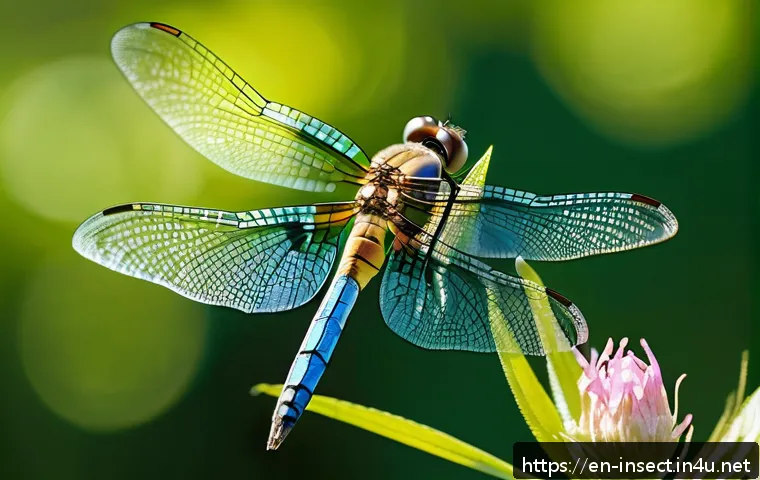
Take the dragonfly, for instance—this ancient flyer can zip through the air at speeds up to 35 miles per hour. That’s faster than many birds in their casual flight!
What’s even crazier is how they maneuver with insane agility, darting and hovering like tiny helicopters. I remember watching one chase down a mosquito in my backyard—it was like a high-speed aerial dogfight.
Their wing muscles and aerodynamics are optimized for bursts of speed and precise control, a combination that’s truly awe-inspiring.
Endurance Flyers That Defy Limits
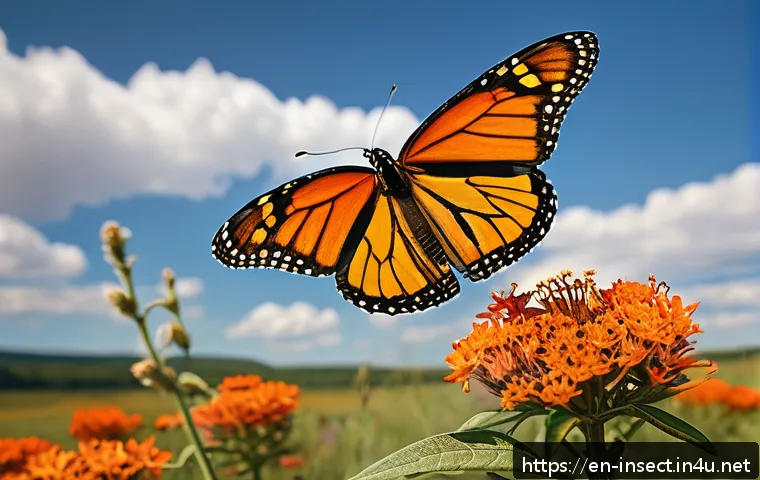
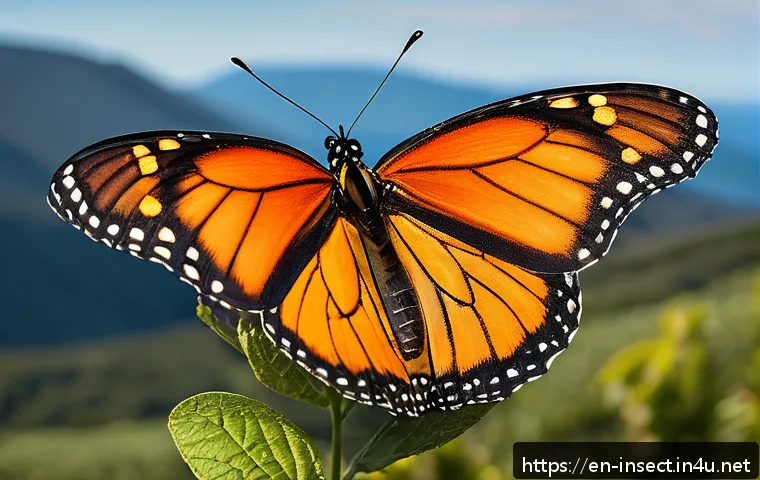
Speed isn’t the only impressive feat; some insects are marathoners of the sky. The monarch butterfly embarks on an epic migration journey spanning thousands of miles, crossing vast terrains and even oceans.
Their ability to navigate using the sun and magnetic fields is a marvel of natural engineering. I once tracked a documentary following monarchs from Canada to Mexico, and it blew my mind how such fragile-looking creatures survive this perilous trek year after year.
Their wings beat tirelessly, and their resilience is a testament to nature’s brilliance.
Hovering Experts Who Seem to Defy Physics
Have you ever marveled at how hummingbird moths and certain flies seem to float midair? Their hovering skill is no accident; it requires rapid wing beats and precise muscle control.
Unlike birds, these insects can beat their wings hundreds of times per second, creating lift on both the upstroke and downstroke. I once tried to capture a hummingbird moth on video, and every time I thought I got a clear shot, it would zoom off or hover in another spot.
Their hovering isn’t just a neat party trick—it’s an essential survival skill for feeding and evading predators.
Incredible Strength in Miniature Packages
Powerhouses of the Insect Kingdom
Strength in the insect world is measured differently than ours. Some beetles, like the rhinoceros beetle, can carry objects 850 times their body weight.
To put that in perspective, it’s like a person lifting six double-decker buses! I once held one of these beetles during a visit to a nature reserve, and even though it seemed small and harmless, the sheer force it could exert was astonishing.
Their muscular design and exoskeleton structure allow them to perform these feats effortlessly, making them nature’s own strongmen.
Jaw Power That Can Crush Anything
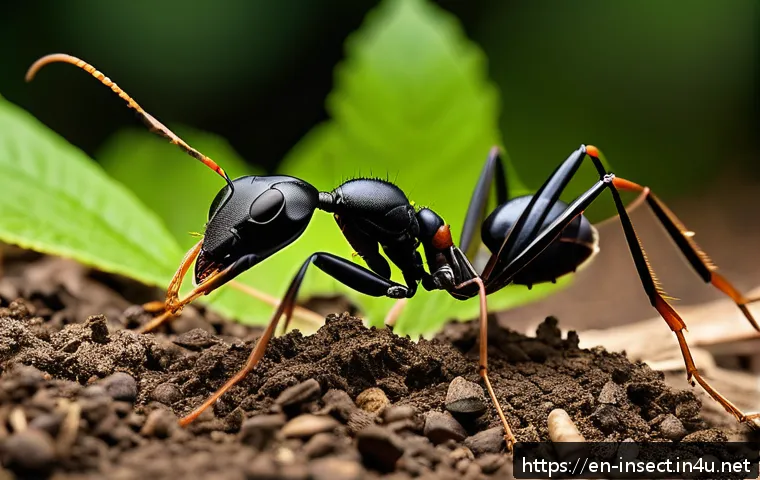
The bite force of certain insects is nothing short of terrifying. Take the trap-jaw ant: its mandibles snap shut at speeds of up to 140 miles per hour, delivering a crushing bite that can stun or even kill prey instantly.
Watching videos of these ants in action gave me chills—they can launch themselves into the air by snapping their jaws, using the force as a catapult. It’s a brilliant evolutionary trick that doubles as both offense and escape mechanism.
Burrowers and Builders: Strength Underground
Not all strength is about lifting or biting. Some insects excel at digging and constructing complex underground homes. Termites, for example, create massive mounds with intricate ventilation systems.
Their mandibles and teamwork allow them to move tons of dirt daily. I’ve seen termite mounds that look like miniature skyscrapers, and it’s humbling to realize that such tiny creatures engineer these masterpieces without blueprints or machinery.
Survival Wizards: Masters of Adaptation and Defense
Camouflage Artists That Blend Seamlessly
One of the most fascinating survival strategies insects use is camouflage. Walking sticks and leaf insects mimic twigs and leaves with such precision that even seasoned naturalists struggle to spot them.
I recall hiking through a forest and almost stepped on a leaf insect, only to realize it was alive and perfectly still. Their coloration, shape, and behavior are all tailored to deceive predators, showcasing evolution’s creativity at its finest.
Chemical Warfare Experts
Some insects have taken defense to a whole new level with chemical weapons. Bombardier beetles, for example, can eject a boiling, noxious spray from their abdomen to deter predators.
The chemistry behind this explosive reaction is complex and highly effective. I once watched a documentary where a bombardier beetle fended off a much larger predator, and the precision and timing of its chemical blast were nothing short of extraordinary.
This natural defense mechanism is both a survival tactic and a fascinating subject for scientific study.
Quick Reflexes and Evasive Maneuvers
Speed and agility on the ground or in the air are crucial for evading predators. Fleas can jump over 100 times their body length in a single leap, which is like a human clearing a skyscraper in one bound.
I tried to measure the jump of a flea under a microscope once, and the explosive power behind that small jump was mind-boggling. Their spring-loaded legs store energy like a compressed spring, releasing it all at once to launch themselves away from danger in the blink of an eye.
Remarkable Lifespans and Reproductive Strategies
Short-Lived but Prolific
Many insects live fast and die young, but they make every second count by producing staggering numbers of offspring. Take the mayfly, whose adult life can be as short as a few hours.
Despite this fleeting existence, their sole mission is reproduction, and they do it en masse to ensure the survival of their species. I once witnessed a mayfly hatch event by a river, and the sheer volume of insects emerging was like a living carpet.
It’s a reminder that sometimes quantity over quality is the key to survival.
Longevity Champions in the Bug World
On the other end of the spectrum are insects like the termite queen, which can live for decades and lay millions of eggs in her lifetime. Their longevity is supported by a social structure where worker termites handle all the hard labor, allowing the queen to focus solely on reproduction.
I toured a termite colony and was amazed at how organized and efficient their society is, with a single insect at its core living a life far longer than most of its peers.
Complex Mating Rituals and Social Behavior
Insects often engage in fascinating courtship displays and social interactions. Fireflies use unique flashing patterns to attract mates, each species with its own light code.
Watching a field of fireflies blink in synchrony is nothing short of magical, and it’s a beautiful reminder of how communication in nature can be both complex and captivating.
These rituals ensure that the right partners find each other, maintaining genetic diversity and species survival.
Record-Breaking Sizes: Giants and Tiny Wonders
The Largest Insects on Earth
When you think of big bugs, giant walking sticks and Goliath beetles come to mind. Some walking sticks can grow over 20 inches long, making them the longest insects around.
Goliath beetles can weigh up to 3.5 ounces, rivaling small birds in heft. Holding one of these giants is a surreal experience—they look like prehistoric creatures brought back to life.
Their size is not just for show; it often helps deter predators and plays a role in their dominance during mating season.
Smallest Insects with Big Impact
Conversely, some of the tiniest insects pack an outsized punch in ecology. Fairyflies, which are less than half a millimeter long, act as parasitoids controlling pest populations.
Despite their minuscule size, they’re vital players in maintaining ecological balance. I’ve seen these tiny insects under a microscope, and their delicate wings and body structures are like works of art.
Their impact far outweighs their size, proving that big things often come in small packages.
Size vs. Survival Trade-offs
Size in insects is a double-edged sword. Larger insects may intimidate predators and compete better for mates but require more resources and are often more visible.
Smaller insects can hide easily and reproduce quickly but might fall prey to a wider range of predators. This balance between size and survival strategy fascinates me because it highlights how diverse life strategies evolve in response to environmental pressures.
Mind-Blowing Insect Speed and Reflexes
Lightning-Fast Reactions
Some insects have reaction times that put even the fastest humans to shame. The mantis shrimp, though technically a crustacean, has eyes and reflexes so quick it can strike prey with the force of a bullet.
In the insect world, the trap-jaw ant’s jaw snap is one of the fastest movements recorded in the animal kingdom. Experiencing these creatures in action is like watching nature’s own action heroes, moving with precision and speed that defy our normal expectations.
Rapid Escape Artists
Grasshoppers and locusts use their powerful hind legs to make incredible leaps when threatened. Their ability to launch themselves high and far in a split second can mean the difference between life and death.
I once observed a grasshopper escape a bird attack by leaping into thick foliage, disappearing before the predator could react. These escape maneuvers are a perfect example of how evolution equips insects with tools for survival that are both elegant and effective.
Insect Speed Comparison Table
| Insect | Top Speed | Notable Ability |
|---|---|---|
| Dragonfly | 35 mph | Fastest sustained flyer with exceptional agility |
| Trap-jaw Ant | 140 mph (jaw snap) | Fastest predatory strike and jump launch |
| Flea | Jump over 100 times body length | Explosive jumping power to evade predators |
| Monarch Butterfly | Up to 12 mph during migration | Long-distance endurance flight |
| Hummingbird Moth | Hovering with rapid wing beats | Precision hovering for feeding and evasion |
Extraordinary Sensory Systems Beyond Human Limits
Compound Eyes and 360-Degree Vision
Many insects have compound eyes made up of thousands of tiny lenses, giving them a panoramic view of the world. This means they can detect movement from nearly every direction without turning their heads.
Watching a fly dodge your swats is a firsthand lesson in how incredible their vision really is. Their eyes don’t just see colors; they can also detect ultraviolet light, revealing a hidden spectrum that helps them find food and mates in ways we can barely imagine.
Super-Sensitive Antennae for Smell and Touch
Insects rely heavily on their antennae to interpret their surroundings. These delicate appendages are packed with sensors that pick up chemical signals, vibrations, and even humidity changes.
I once held a moth and noticed how it twitched its antennae in response to my breath—those tiny hairs are like radar for the insect world. This heightened sensitivity allows them to communicate, navigate, and survive in complex environments.
Auditory Abilities That Detect Danger Instantly
Some insects have evolved ears tuned to frequencies that humans can’t hear. For example, certain moths can detect the ultrasonic echolocation calls of bats, giving them precious milliseconds to dive for cover.
This evolutionary arms race between predator and prey is fascinating because it shows how survival drives sensory innovation. I’ve listened to recordings of these ultrasonic signals, and knowing that moths are constantly eavesdropping on bats adds a thrilling layer to nighttime nature watching.
Conclusion
Insects truly are marvels of nature, showcasing incredible speed, strength, and adaptability that often go unnoticed. Their diverse abilities—from lightning-fast reflexes to remarkable endurance—highlight the extraordinary complexity of these tiny creatures. Observing their behaviors not only inspires awe but also deepens our understanding of the natural world. The more we learn about insects, the clearer it becomes how vital they are to life on Earth.
Useful Information to Know
1. Many insects, like dragonflies and trap-jaw ants, possess speeds and reflexes that surpass human capabilities, making them fascinating subjects for study and observation.
2. The endurance of migratory species such as monarch butterflies reveals incredible navigation skills and resilience that support long-distance survival.
3. Strength in insects is not just about size; beetles like the rhinoceros beetle demonstrate power far beyond what their small bodies suggest.
4. Insect sensory systems, including compound eyes and sensitive antennae, allow them to detect threats and communicate in ways humans cannot perceive.
5. Understanding insect behavior and adaptations can offer valuable insights into ecology, evolution, and even inspire technological innovations.
Key Takeaways
Insects are exceptional creatures that combine speed, power, and sensory sophistication to thrive in diverse environments. Their survival strategies—ranging from camouflage and chemical defenses to complex social behaviors—illustrate nature’s ingenuity. Appreciating these tiny champions enhances our respect for biodiversity and the delicate balance of ecosystems. By paying attention to their remarkable traits, we gain a deeper connection to the natural world and its hidden wonders.
Frequently Asked Questions (FAQ) 📖
Q: uestionsQ1: What is the fastest flying insect in the world?
A: The title for the fastest flying insect goes to the male horsefly, which can reach speeds of up to 90 miles per hour. It’s incredible when you think about how tiny they are compared to other fast flyers like birds or bats.
I once tried to catch one on a summer day, and honestly, they’re almost impossible to swat because of how quick they dart around. Their speed helps them avoid predators and catch prey, making them true masters of the air.
Q: Which insect holds the record for the strongest bite?
A: The title for the strongest bite relative to body size belongs to the titan beetle. Its jaws can snap pencils in half and deliver a painful pinch to anything that threatens it.
I remember reading about someone who got a little too close to one and ended up with a nasty pinch! This power is essential for defense and helps them chew through tough plant material or fend off predators.
Q: Why are insect populations declining, and why does it matter?
A: Insect populations worldwide are facing dramatic declines due to habitat loss, pesticide use, climate change, and pollution. This is concerning because insects play vital roles in pollination, nutrient cycling, and as a food source for many animals.
Without them, ecosystems start to unravel, affecting plants, animals, and even human agriculture. Personally, I’ve noticed fewer butterflies and bees in my garden over the years, which makes me realize how fragile this balance really is.
Protecting insects is crucial not only for their survival but for the health of our entire planet.