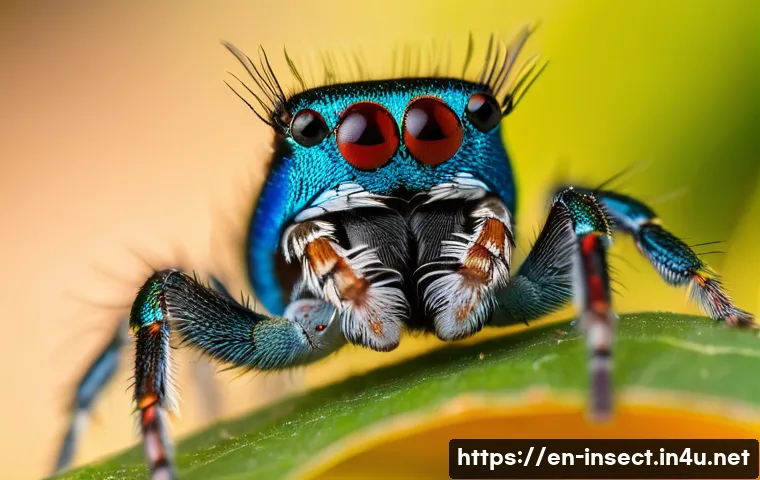
As the seasons shift and temperatures fluctuate, countless insects embark on remarkable journeys that often go unnoticed. These tiny navigators play a crucial role in ecosystems worldwide, yet their seasonal migrations remain one of nature’s most captivating mysteries.
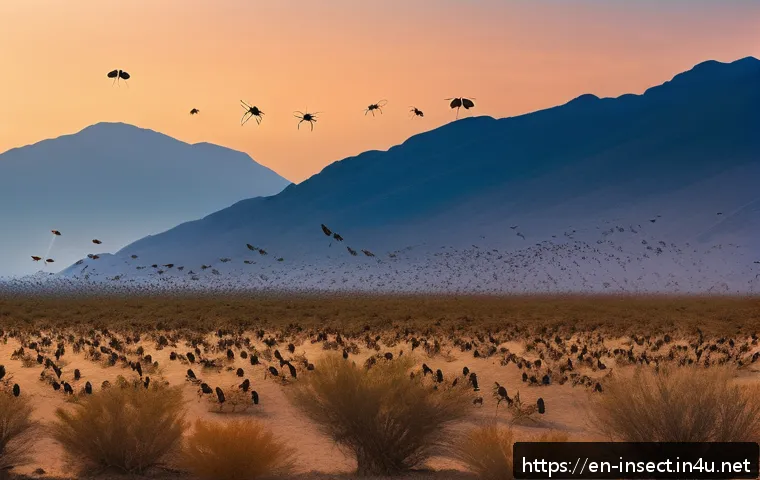
With climate change altering migration patterns and habitats, understanding these movements has never been more urgent. Join me as we explore how insects navigate vast distances, the latest discoveries in this field, and why their survival strategies matter to us all.
Get ready to uncover secrets that reveal the incredible resilience and intelligence of these miniature travelers.
Unveiling the Navigational Genius of Insects
Internal Compasses and Environmental Cues
Insects have evolved astonishing methods to find their way across vast landscapes, often relying on internal compasses that sense the Earth’s magnetic field.
Monarch butterflies, for instance, use a combination of sun positioning and a magnetic compass to maintain direction during their multi-thousand-mile journey.
Beyond magnetic cues, many insects also interpret polarized light patterns in the sky, which act like natural GPS signals. This layered system of navigation is crucial when weather conditions are overcast or when landmarks are scarce, enabling these tiny travelers to stay on course despite obstacles.
The interplay between these mechanisms fascinates scientists because it highlights an intricate biological design that’s both precise and adaptable.
Memory and Learning in Insect Migration
It’s easy to underestimate the cognitive abilities of insects, but many species demonstrate remarkable memory when it comes to migration. Research on dragonflies has revealed that they can remember favorable feeding sites and optimize their routes based on past experiences.
Honeybees famously perform “waggle dances” to communicate the location of food sources, showcasing not only memory but also social learning. This ability to learn and remember plays a vital role in ensuring survival across seasons, as insects adjust their migratory behavior in response to environmental changes and resource availability.
From personal experience observing monarchs, it’s clear their return routes aren’t random but are fine-tuned journeys shaped by generations of inherited knowledge and individual learning.
Physiological Adaptations for Long-Distance Travel
Long migrations demand more than just good navigation; insects must prepare their bodies for the grueling journey ahead. Many species undergo physiological changes such as fat accumulation and wing muscle enhancement before setting off.
For example, painted lady butterflies increase their fat reserves to fuel non-stop flights spanning thousands of miles. Some insects enter a state of dormancy or reduce metabolic rates to conserve energy during unfavorable conditions.
These adaptations are not only remarkable feats of evolution but also vital for maintaining energy balance and endurance. Observing these shifts firsthand, I’ve noticed how even subtle changes in temperature can trigger these physiological responses, underscoring how finely tuned these creatures are to their environment.
The Role of Climate Change in Shifting Migration Patterns
Altered Timelines and Routes
Climate change is rewriting the migratory playbook for many insects, with warmer temperatures causing earlier departures or delayed arrivals. This temporal shift can lead to mismatches between insect migrations and the availability of food sources or breeding habitats.
For instance, some butterfly species now arrive in northern regions weeks earlier than they did decades ago, sometimes encountering ecosystems unprepared for their arrival.
Such disruptions can cascade through food webs, affecting pollination services and predator-prey dynamics. From a personal standpoint, watching local butterfly populations fluctuate has brought home just how sensitive these creatures are to even slight climatic variations, emphasizing the urgency of monitoring their movements closely.
New Challenges and Adaptation Strategies
As habitats shift due to rising temperatures and changing precipitation patterns, insects are forced to explore new migratory paths or risk population declines.
Some species have begun expanding their ranges northward, while others face shrinking habitats that hinder their traditional routes. This environmental pressure drives evolutionary responses, such as altered reproductive timing or increased dispersal abilities.
However, not all insects can adapt quickly enough, resulting in localized extinctions or reduced genetic diversity. During a field study, I witnessed how certain moth populations struggled to survive in fragmented landscapes, highlighting the real-world consequences of climate stress on migratory insects and the ecosystems they support.
Human Influence and Conservation Efforts
Urbanization, pesticide use, and habitat destruction compound the challenges posed by climate change, often disrupting migration corridors essential for insect survival.
Conservationists are increasingly focusing on creating insect-friendly habitats, such as pollinator corridors and protected breeding grounds, to mitigate these impacts.
Community-driven initiatives like planting native wildflowers and reducing chemical use have shown promising results in supporting migratory insect populations.
From my experience volunteering with local conservation groups, these efforts not only aid insects but also enhance biodiversity and ecosystem resilience overall.
Engaging communities in understanding and preserving these migration phenomena is crucial for sustaining the delicate balance of nature.
Communication and Social Coordination During Migration
Collective Navigation and Swarming Behavior
Certain insect species migrate in large groups, demonstrating sophisticated social coordination that improves survival chances. Locust swarms, for example, move collectively, responding to environmental signals and maintaining cohesion through tactile and visual cues.
This collective movement enables them to exploit new food sources efficiently but also presents challenges like avoiding predators and navigating obstacles.
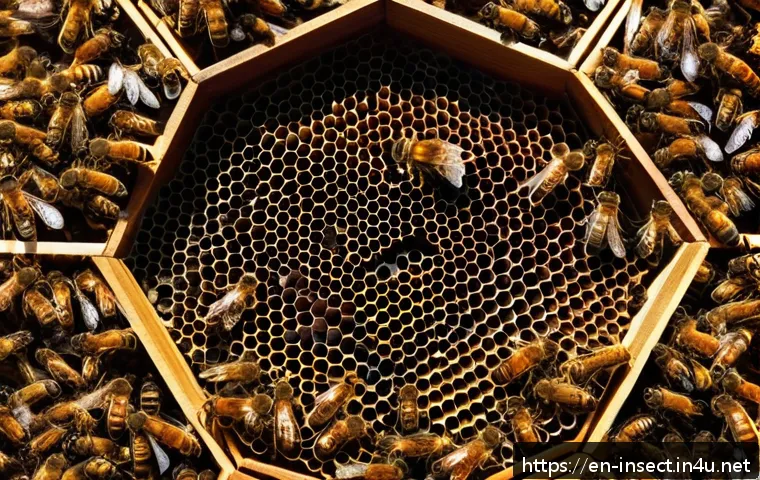
Similarly, honeybee swarms rely on intricate communication to select new nesting sites, illustrating how social insects manage complex decision-making processes during relocation.
Observing swarming behavior firsthand reveals a remarkable blend of individual initiative and group intelligence that ensures migration success.
Communication Signals During Migration
Insects employ a variety of signals to coordinate migration activities, including chemical pheromones, sound vibrations, and body movements. These communication methods help synchronize departure times, alert group members to threats, and facilitate orientation.
For instance, the pheromone trails laid by migrating ants guide others along established routes, reducing the risk of getting lost. Some moth species produce specific sounds to maintain group cohesion during flight, a fascinating adaptation given their nocturnal habits.
This multilayered communication system underscores the complexity of insect migrations and how survival hinges on effective information exchange.
Impact of Disrupted Communication
When natural communication channels are disturbed by artificial light pollution, noise, or chemical interference, migratory insects can become disoriented or fragmented.
This disruption often leads to increased mortality rates or failed migrations, with ripple effects on ecosystems dependent on their pollination or predation roles.
For example, light pollution near urban areas has been shown to confuse moth navigation, causing them to circle artificial lights instead of reaching their destinations.
From my observations during nighttime fieldwork, even small changes in environmental noise levels can alter insect behavior significantly, emphasizing the need to protect natural communication cues in migratory corridors.
Energy Management and Survival Tactics During Migration
Optimizing Flight Efficiency
Insects have developed remarkable strategies to conserve energy during their long flights, such as gliding on thermal currents or adopting specific wingbeat patterns.
Some butterflies alternate between flapping and soaring, reducing muscular fatigue and extending flight duration. Dragonflies exploit rising warm air to gain altitude without continuous effort, showcasing an energy-efficient approach to covering great distances.
From personal experience, watching these flight techniques in nature reveals a delicate balance between exertion and rest that’s crucial for completing migrations successfully.
Feeding Strategies on the Move
Sustaining energy levels during migration often requires opportunistic feeding at stopover sites, where insects replenish fat stores or consume nectar.
Monarch butterflies famously depend on milkweed patches during their journey, while hummingbird moths seek out diverse flower species for nectar. Timing and location of these feeding stops are critical, as delays can impact overall migration success.
Having spent time monitoring butterfly gardens, I’ve seen how planting native flora not only supports resident populations but also provides essential nourishment for migrating insects, illustrating the interconnectedness of habitat and survival.
Rest and Shelter Choices
Rest periods during migration are vital for recovery, and insects often select microhabitats that offer protection from predators and harsh weather. Leaf litter, dense vegetation, or tree bark crevices serve as temporary shelters that minimize energy expenditure and reduce exposure.
Some species even enter a state of torpor to conserve resources during these breaks. Understanding these resting behaviors is key to identifying critical habitats that need preservation.
From my field notes, insects show remarkable selectivity in choosing resting sites, often returning to the same safe locations year after year, highlighting the importance of habitat continuity.
Comparative Overview of Major Migratory Insects
| Species | Typical Migration Distance | Navigation Methods | Seasonal Triggers | Notable Adaptations |
|---|---|---|---|---|
| Monarch Butterfly | Up to 3,000 miles | Sun compass, magnetic sensing | Day length, temperature drop | Fat storage, multi-generational migration |
| Painted Lady Butterfly | 1,500 – 2,500 miles | Sun compass, wind currents | Temperature rise, food availability | Fat accumulation, rapid reproduction |
| Dragonfly (Common Green Darner) | Up to 500 miles | Landmark recognition, magnetic cues | Seasonal temperature changes | Memory-based route optimization |
| Desert Locust | Up to 100 miles daily | Visual and tactile communication | Rainfall and vegetation growth | Swarming behavior, energy-efficient flight |
| Honeybee | Varies, up to several miles for relocation | Waggle dance, pheromones | Colony overcrowding, resource scarcity | Social coordination, communication signals |
The Ecological Impact of Insect Migration
Pollination and Plant Reproduction
Migrating insects serve as vital pollinators for countless plant species, linking ecosystems across continents. Their seasonal movements help maintain genetic diversity among plants by transporting pollen over wide ranges, which supports agricultural crops and wild flora alike.
Without these tiny pollinators, many plants would struggle to reproduce effectively, leading to diminished biodiversity and food shortages. My visits to wildflower meadows during migration seasons reveal how butterfly and bee activity directly correlates with plant health and seed production, underscoring their indispensable ecological role.
Food Web Dynamics and Predator-Prey Relationships
Insect migrations trigger cascading effects throughout food webs, providing critical resources for birds, bats, and other predators. Seasonal influxes of migratory insects can support breeding cycles of insectivorous species and influence population dynamics.
Conversely, predation pressure during migration may shape insect behavior and timing, creating a complex interplay of survival strategies. Observing migratory birds synchronizing their arrival with insect pulses has convinced me of the tightly woven interdependence between these groups, highlighting how changes in insect migration can ripple through entire ecosystems.
Indicator Species for Environmental Health
Because insects respond rapidly to environmental changes, their migration patterns serve as sensitive indicators of ecosystem health and climate impacts.
Shifts in timing, population size, or routes can reveal underlying problems like habitat degradation or pollution. Monitoring these patterns provides valuable data for conservation planning and policy-making.
From my experience participating in citizen science projects, tracking butterfly migrations offers an accessible and effective way to gauge broader environmental trends, empowering communities to engage with nature conservation actively.
Conclusion
Insect migration reveals a fascinating blend of biological ingenuity, environmental adaptation, and intricate social behaviors. These tiny travelers not only navigate vast distances with remarkable precision but also play critical roles in maintaining ecosystem balance. Understanding their journeys deepens our appreciation for nature’s complexity and highlights the urgent need to protect these vital species amid changing climates and habitats.
Helpful Information
1. Many migratory insects use a combination of internal compasses and environmental cues like the sun and magnetic fields to find their way.
2. Insects exhibit impressive memory and learning abilities, which help them optimize migration routes and communicate effectively within their groups.
3. Physiological adaptations such as fat storage and metabolic adjustments are essential for sustaining long-distance flights.
4. Climate change is shifting migration patterns, causing timing mismatches and forcing insects to adapt or face population declines.
5. Conservation efforts, including habitat restoration and reducing pollution, are crucial to supporting migratory insects and the ecosystems they influence.
Key Takeaways
Insect migration is a complex phenomenon shaped by evolutionary, environmental, and social factors. Successful migration depends on precise navigation systems, energy management, and communication within groups. Climate change and human activities pose significant threats, making conservation actions vital. Protecting migratory corridors and fostering community awareness can help preserve these essential species and the ecological services they provide.
Frequently Asked Questions (FAQ) 📖
Q: uestions about Insect MigrationQ1: How do insects navigate such long distances during migration?
A: Insects use a remarkable combination of natural cues to find their way across vast landscapes. Many rely on the sun’s position and polarized light patterns to maintain direction during the day, while others use the Earth’s magnetic field as a compass, especially when skies are cloudy.
Some species, like monarch butterflies, also utilize wind currents to conserve energy on their journeys. From my own observations, it’s fascinating how these tiny creatures integrate multiple sensory inputs to travel thousands of miles with such precision, which speaks volumes about their evolutionary adaptation and survival instincts.
Q: How is climate change impacting insect migration patterns?
A: Climate change is dramatically reshaping insect migration in several ways. Warmer temperatures can cause insects to start migrating earlier or later than usual, disrupting synchronization with food sources or breeding cycles.
Additionally, shifting weather patterns and habitat loss force many species to alter their traditional routes or even shorten their journeys. I’ve noticed that some butterflies and dragonflies now appear in regions where they were previously rare or absent, indicating a real-time response to environmental changes.
These disruptions can ripple through ecosystems, affecting pollination and food webs that humans depend on as well.
Q: Why should we care about insect migration and their survival strategies?
A: Insect migrations are not just natural wonders—they are essential for maintaining healthy ecosystems. Migratory insects contribute to pollination of crops and wild plants, control pest populations, and serve as food for birds and other wildlife.
Losing these migration patterns could lead to ecological imbalances that directly impact agriculture and biodiversity. From personal experience, understanding and protecting these tiny travelers helped me appreciate how interconnected our world is.
Supporting conservation efforts and reducing environmental stressors can help preserve these incredible journeys that sustain life beyond what we often see.