Lately, the alarming decline in insect populations has captured global attention, highlighting the urgent need to safeguard these tiny yet vital creatures.
As we face mounting environmental challenges, protecting insect biodiversity is no longer optional—it’s essential for maintaining healthy ecosystems that support agriculture, pollination, and natural pest control.
In this post, I’ll share innovative strategies that not only help preserve insect species but also promote a balanced environment where both nature and humans can thrive.
Stick around if you’re curious about practical, forward-thinking approaches to sustaining our planet’s delicate web of life.
Creating Insect-Friendly Habitats in Urban and Rural Areas
Designing Gardens That Attract Beneficial Insects
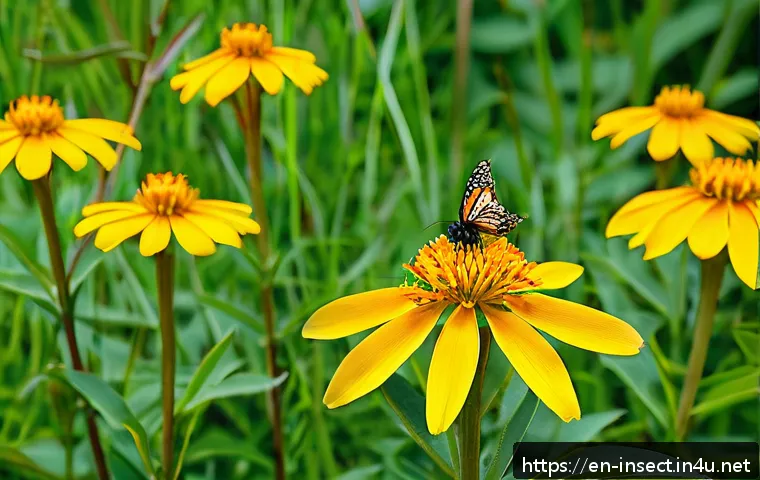
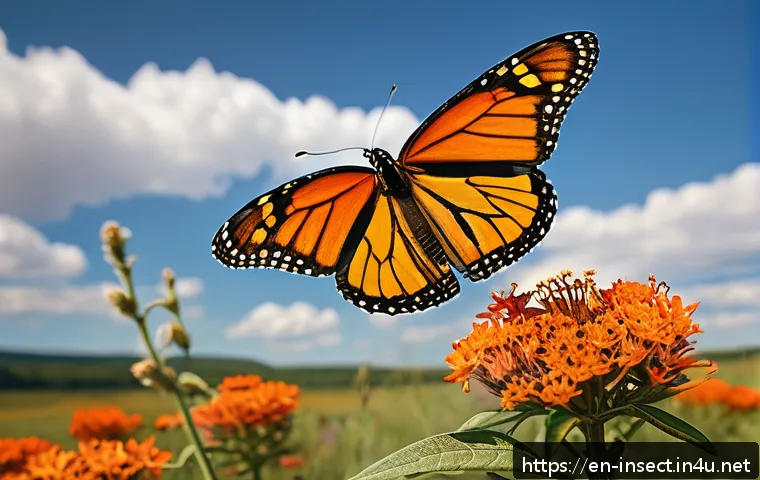
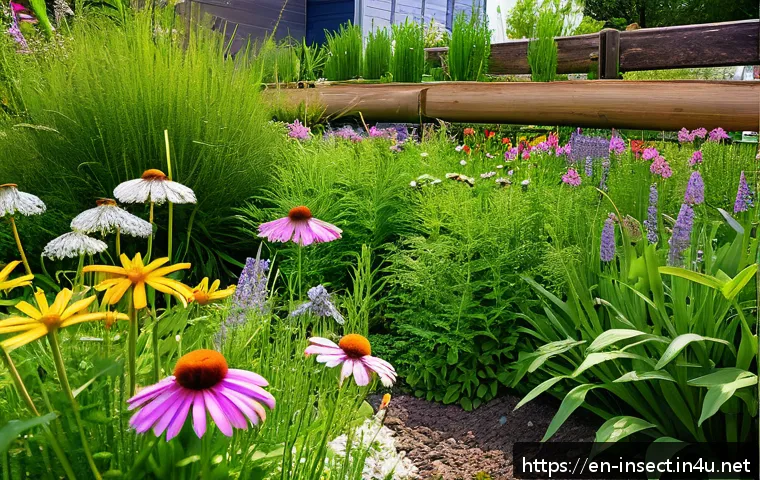
When I revamped my backyard last spring, I focused heavily on planting native flowers and herbs like coneflowers, lavender, and dill, which are absolute magnets for pollinators such as bees and butterflies.
What surprised me was how quickly these plants attracted a bustling community of insects. The trick is to provide a variety of blooms that flower at different times throughout the year, ensuring a continuous food source.
Additionally, avoiding pesticides and chemical fertilizers helps maintain a safe environment for these tiny visitors. By creating a layered garden structure with shrubs, ground covers, and open sunny spaces, you can mimic natural habitats and support a diverse insect population right outside your door.
Incorporating Natural Shelter and Water Sources
Insects need more than just food—they also require shelter and moisture to thrive. Installing insect hotels made from bamboo, hollow stems, and wood with drilled holes offers solitary bees and other beneficial bugs a safe place to nest.
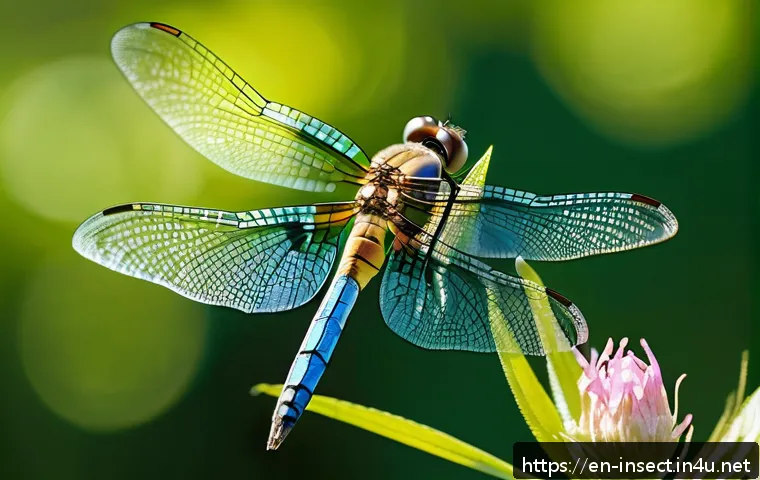
I’ve found that adding shallow water dishes with stones for landing spots encourages butterflies and dragonflies to stay hydrated. These small adjustments can transform a simple yard into a vibrant micro-ecosystem, promoting biodiversity and even helping with natural pest control by inviting predatory insects like ladybugs and lacewings.
Balancing Lawn Care with Insect Conservation
I used to mow my lawn weekly without a second thought, but cutting back on mowing frequency and letting some areas grow wild has made a noticeable difference.
Leaving patches of clover or wildflowers within the lawn supports pollinators and ground beetles. Also, reducing chemical weed killers prevents harmful residues from entering the soil, which can disrupt insect life cycles.
A well-balanced lawn that includes insect-friendly zones not only looks more natural but also supports the broader environment in subtle yet impactful ways.
Adopting Sustainable Agricultural Practices
Crop Diversity and Rotations for Soil and Insect Health
One of the most effective ways farmers can protect insect populations is by embracing crop diversity. Rotating different crops year after year disrupts pest cycles and improves soil health, which in turn supports a richer insect community.
I’ve spoken with several growers who noticed that integrating legumes or cover crops like clover reduces the need for synthetic fertilizers and encourages beneficial insects like ground beetles and parasitic wasps.
This natural pest management approach not only cuts costs but also fosters a balanced ecosystem where harmful pests are kept in check by their natural enemies.
Minimizing Chemical Inputs Without Sacrificing Yields
Switching from conventional pesticides to integrated pest management (IPM) methods has been a game-changer for many farmers I’ve encountered. IPM uses a combination of biological controls, monitoring, and selective treatments only when necessary.
This reduces collateral damage to non-target insects, including crucial pollinators. From personal observation, farmers who adopt IPM report healthier crops and fewer pest outbreaks over time.
It’s a sustainable strategy that benefits both the environment and their bottom line, proving that protecting insects can go hand-in-hand with productive farming.
Supporting Pollinator Habitats on Farmland
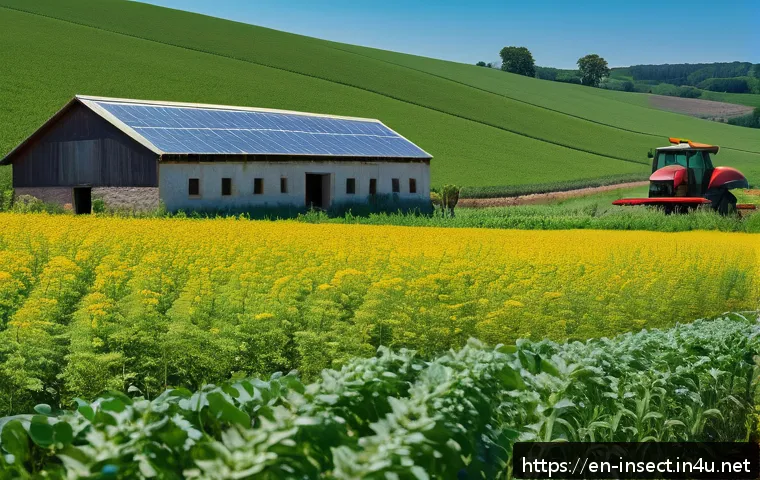
Allocating parts of farmland to wildflower strips or hedgerows offers refuge and food for pollinators throughout the growing season. I visited a farm that established buffer zones filled with native plants, and the increase in bee activity was remarkable.
These pollinator corridors act as stepping stones, allowing insects to move safely between fields. Not only do they boost crop pollination rates, but they also enhance overall biodiversity, creating a win-win situation for farmers and nature alike.
Leveraging Technology and Citizen Science
Monitoring Insect Populations with Smart Devices
Technology is stepping up as a powerful ally in insect conservation. Recently, I experimented with a smart insect trap that uses sensors and AI to identify species and count individuals automatically.
This data helps researchers and land managers detect population trends and potential threats early on. Such tools are invaluable for targeted conservation efforts and for evaluating the effectiveness of habitat restoration projects.
It’s fascinating to see how merging technology with ecology can provide real-time insights that were once impossible to gather.
Engaging Communities Through Citizen Science Projects
I’ve participated in several citizen science initiatives where everyday people record insect sightings using mobile apps. These projects not only generate massive datasets but also raise public awareness about the importance of insects.
Involving schools and local groups creates a sense of stewardship and encourages environmentally friendly behaviors. Plus, it’s quite rewarding to know that your backyard observations contribute to global biodiversity monitoring.
This grassroots approach empowers individuals to be part of the solution.
Using Data to Inform Conservation Policy
Accurate, large-scale data collected through technology and citizen science can influence policymakers to enact stronger protections for insect habitats.
For example, aggregated information on pollinator declines has led to new regulations limiting harmful pesticide use in some regions. From what I’ve seen, informed policies that integrate scientific findings with community input tend to be more effective and sustainable.
Technology-driven evidence makes it easier to justify conservation investments and measure progress over time.
Promoting Education and Public Awareness
Incorporating Insect Ecology into School Curricula
Educating the younger generation about the critical roles insects play is essential for long-term conservation success. I recall a local school project where students raised butterflies and learned about pollination firsthand.
These hands-on experiences create lasting impressions and inspire curiosity about nature. Schools that include insect ecology in their science programs help build a foundation of respect and understanding that students carry into adulthood, turning knowledge into action.
Hosting Community Workshops and Events
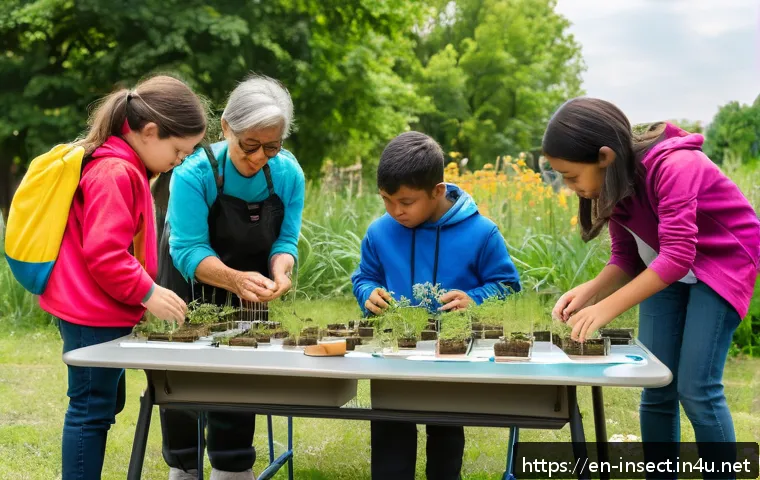
Organizing workshops on creating insect habitats or identifying local species can bring communities together with a shared goal. I’ve attended garden tours and insect walks that not only teach but also foster a sense of connection with the natural world.
These events motivate people to adopt insect-friendly practices at home and in public spaces. They’re also great opportunities to debunk myths about insects and highlight their positive contributions to ecosystems.
Utilizing Media and Social Platforms for Outreach
Social media campaigns and online videos have immense reach and can spread awareness rapidly. I’ve followed accounts dedicated to pollinator conservation that share tips, stunning macro photography, and success stories.
This kind of engaging content draws in diverse audiences and encourages everyday actions like planting native flowers or reducing pesticide use. Media exposure helps normalize insect conservation as a mainstream environmental priority rather than a niche concern.
Understanding the Impact of Climate Change on Insects
Shifts in Insect Distribution and Behavior
From my conversations with entomologists, it’s clear that warming temperatures are causing many insect species to shift their ranges, sometimes moving northward or to higher altitudes.
This disrupts existing ecological relationships and can lead to mismatches in timing between pollinators and flowering plants. For example, some bees may emerge before their preferred flowers bloom, resulting in food shortages.
Recognizing these patterns is crucial for adapting conservation strategies to a changing climate.
Increased Vulnerability to Extreme Weather Events
Insects are highly sensitive to droughts, floods, and heatwaves, which are becoming more frequent and intense. I’ve noticed in my area that prolonged dry spells reduce the availability of nectar and water, stressing pollinator populations.
Conversely, heavy rains can wash away larvae or destroy nests. These fluctuations add another layer of complexity to preserving insect biodiversity and highlight the importance of creating resilient habitats that can buffer against climate extremes.
Integrating Climate Adaptation into Conservation Planning
Effective insect conservation must now include climate projections to ensure habitats remain suitable in the future. This might involve planting a wider variety of native species that bloom across seasons or protecting corridors that allow insects to migrate safely.
From what I’ve seen, adaptive management practices that anticipate climate impacts help sustain insect populations more reliably than static approaches.
Flexibility and forward-thinking are key to safeguarding these species under uncertain conditions.
Collaborating Across Sectors for Holistic Solutions
Partnerships Between Governments, NGOs, and Scientists
Successful insect conservation often hinges on collaboration. I’ve observed that programs involving multiple stakeholders—government agencies, conservation organizations, academic researchers—tend to have greater reach and impact.
These partnerships combine expertise, resources, and influence to implement large-scale habitat restoration and policy reforms. Open communication and shared goals foster trust and long-term commitment, which are essential for tackling complex environmental challenges.
Engaging the Private Sector in Conservation Efforts
Businesses, especially those in agriculture, landscaping, and urban development, play a crucial role. Some companies have started integrating pollinator-friendly practices into their operations, like planting flower strips or reducing pesticide use.
I’ve seen inspiring cases where corporations fund habitat restoration projects or sponsor citizen science initiatives. Encouraging corporate responsibility not only improves public image but also creates tangible benefits for insect populations and ecosystem services.
Empowering Individuals to Make a Difference
At the end of the day, everyone can contribute to insect conservation. Small actions like choosing organic produce, supporting local farmers, or planting pollinator gardens add up.
I’ve found that sharing personal stories and practical tips with friends and neighbors sparks interest and collective action. When communities unite around a common cause, the ripple effects can lead to meaningful change on both local and global scales.
| Conservation Strategy | Key Actions | Benefits | Challenges |
|---|---|---|---|
| Creating Insect-Friendly Habitats | Plant native flowers, install insect hotels, reduce chemical use | Supports pollinators, natural pest control, biodiversity | Requires space, ongoing maintenance, awareness |
| Sustainable Agriculture | Crop rotation, integrated pest management, pollinator strips | Healthier soils, reduced chemical reliance, increased yields | Initial transition costs, farmer education, monitoring |
| Technology & Citizen Science | Smart traps, apps for insect monitoring, data sharing | Improved data accuracy, public engagement, policy influence | Access to technology, data management, participant training |
| Education & Awareness | School programs, community workshops, social media campaigns | Informed public, behavioral change, long-term stewardship | Funding, outreach reach, combating misinformation |
| Climate Adaptation | Habitat resilience, migration corridors, diverse plantings | Species survival, ecosystem stability, future-proofing | Uncertain climate projections, resource allocation, coordination |
| Cross-Sector Collaboration | Government-NGO partnerships, corporate involvement, community action | Resource pooling, wider impact, policy support | Aligning priorities, communication, sustained commitment |
In Conclusion
Creating and maintaining insect-friendly habitats is essential for preserving biodiversity and supporting healthy ecosystems. Whether in urban gardens or vast farmlands, small changes can lead to significant benefits for pollinators and natural pest control. Embracing sustainable practices and technology further enhances conservation efforts. Together, these strategies offer hope for a balanced coexistence with the insect world that sustains us all.
Helpful Information to Keep in Mind
1. Plant a variety of native flowers that bloom throughout the seasons to provide continuous food for beneficial insects.
2. Incorporate natural shelters like insect hotels and provide clean water sources to support insect life cycles.
3. Practice sustainable agriculture methods such as crop rotation and integrated pest management to protect soil and insect health.
4. Engage with citizen science projects and use technology to monitor insect populations and inform conservation actions.
5. Promote education and public awareness through schools, community events, and social media to inspire stewardship and informed choices.
Key Takeaways for Effective Insect Conservation
Supporting insect populations requires a multi-faceted approach that blends habitat creation, sustainable farming, technological innovation, and public involvement. Prioritizing native plants and reducing chemical use create safer environments, while diverse crop practices enhance soil and insect resilience. Leveraging data and citizen participation strengthens policy and conservation impact. Above all, fostering collaboration across sectors and educating communities ensures long-term success in safeguarding these vital species for the future.
Frequently Asked Questions (FAQ) 📖
Q: Why are insect populations declining so rapidly worldwide?
A: Insect populations are dropping mainly due to habitat loss, widespread pesticide use, climate change, and pollution. When natural habitats like meadows and forests shrink or get polluted, insects lose their homes and food sources.
Pesticides, especially neonicotinoids, can be toxic not just to pests but also to beneficial insects like bees and butterflies. Climate shifts disrupt life cycles and migration patterns, while pollution contaminates soil and water, further stressing insect communities.
From my own observations in urban gardening, even small changes like removing native plants drastically reduce local insect activity.
Q: What practical steps can individuals take to help protect insect biodiversity?
A: One of the most effective actions is planting native flowers and shrubs that provide nectar, pollen, and shelter throughout the seasons. Avoiding chemical pesticides and herbicides in your garden is crucial—these can wipe out beneficial insects faster than you realize.
Installing insect hotels or leaving patches of undisturbed soil and leaf litter creates safe havens for ground-nesting and overwintering species. Personally, I started a pollinator-friendly garden, and within weeks, I noticed a significant increase in bee and butterfly visits.
Supporting local conservation efforts and spreading awareness also amplifies impact beyond your backyard.
Q: How does protecting insects benefit human agriculture and food security?
A: Insects play indispensable roles in pollination, pest control, and soil health, all of which directly affect crop yields and food quality. Pollinators like bees enable the reproduction of many fruits, vegetables, and nuts, accounting for roughly one-third of global food production.
Predatory insects naturally curb crop-damaging pests, reducing the need for harmful chemicals. Healthy insect populations also enhance soil fertility by breaking down organic matter.
From my conversations with farmers, those who embrace integrated pest management and promote insect habitats consistently report better harvests and lower input costs, proving that insect conservation is not just ecological but economically smart.