In the vast world of insects, visual communication plays a fascinating and vital role in their survival and social interactions. From the dazzling flashes of fireflies to the intricate color patterns on butterfly wings, these visual signals help insects attract mates, warn predators, and coordinate with their peers.

Understanding how these tiny creatures use sight to convey messages opens a window into a hidden language that’s both complex and captivating. This form of communication reveals the incredible adaptations insects have evolved over millions of years.
Let’s dive deeper and uncover the secrets behind insect visual communication!
Color as a Language: How Insects Use Hues to Send Messages
Warning Colors That Protect
Many insects use bright, vivid colors to signal danger to potential predators. This strategy, known as aposematism, is like a neon sign that says, “Don’t eat me!” For example, ladybugs flaunt their red shells with black spots to warn birds that they taste bad.
I’ve seen this firsthand during backyard gardening—predators often avoid these colorful bugs, giving them a better chance to thrive. These warning colors aren’t random; they’re a result of evolutionary fine-tuning that helps insects survive in a world full of hungry threats.
Attracting Mates with Visual Flair
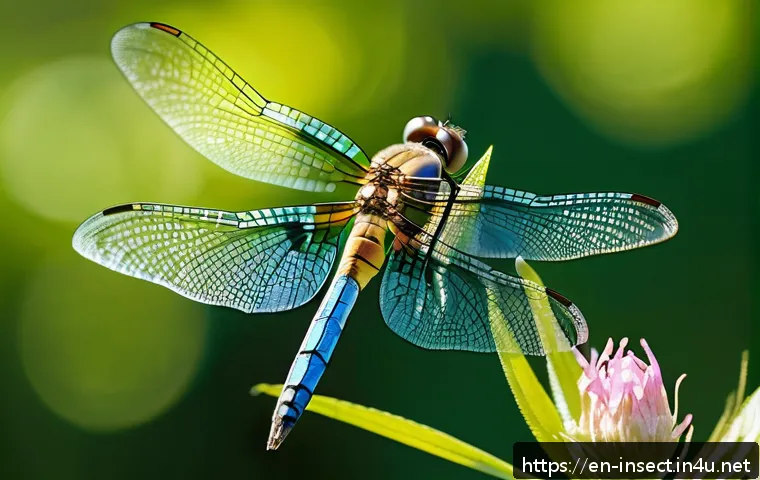
When it comes to romance, insects get creative with their appearance. Male butterflies and dragonflies often sport dazzling wing patterns and iridescent scales to catch the eye of females.
I remember watching a dragonfly dance above a pond, its shimmering wings reflecting sunlight in hypnotic patterns. These visual cues don’t just grab attention; they communicate fitness and genetic quality, helping females choose the best partners.
The subtle differences in patterns and brightness can mean the difference between success and rejection.
Camouflage and Disguise for Survival
Not all visual signals shout loudly—some insects prefer to blend in. Camouflage is a silent form of communication that helps insects avoid detection by predators and even prey.
Walking sticks and leaf insects are masters of disguise, mimicking twigs and leaves so well that even a keen eye can miss them. I’ve spent hours trying to spot these creatures in the wild, only to realize they were right in front of me all along.
This form of visual adaptation is a quiet but powerful way insects communicate their presence—or absence—to the world around them.
Light Shows in the Night: Bioluminescence and Flashing Patterns
Fireflies’ Romantic Signals
Fireflies are perhaps the most famous example of light-based communication among insects. Their rhythmic flashes aren’t just pretty—they’re a form of courtship language.
Different species have unique flashing patterns, which help males and females find each other in the dark. I’ve spent warm summer evenings watching these tiny light shows, amazed at how each blink carries a message of attraction and species identity.
It’s like a secret Morse code written in light.
Warning and Confusion Through Light
Some insects use bioluminescence not only to attract mates but also to warn or confuse predators. Glow-worm larvae, for instance, emit a steady glow to deter hungry animals, signaling that they might be toxic or unpalatable.
Certain click beetles flash their lights suddenly to startle attackers, buying crucial moments to escape. These light signals are both a defense mechanism and a way to communicate danger without making a sound.
Coordinated Group Displays
In rare cases, insects synchronize their flashing to create a mesmerizing group display. This phenomenon is most notable among firefly species in Southeast Asia and parts of the United States.
Imagine thousands of tiny lights pulsing in unison across a forest canopy—it’s a breathtaking spectacle that also serves to amplify mating signals. Witnessing this, I felt like I was part of a natural symphony where each insect played a vital visual note.
Movement and Visual Signals: More Than Just Flying
Wing Patterns and Displays
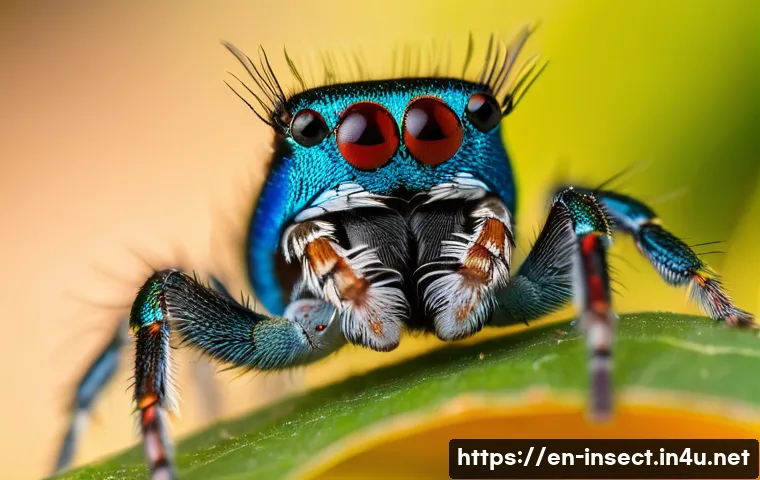
Beyond color and light, movement itself can be a powerful visual message. Many insects use wing displays to communicate. For example, male peacock spiders perform elaborate dances, raising and waving colorful flaps to woo females.
I once saw a video of this dance and was struck by how expressive these tiny spiders can be—almost like a theatrical performance. These movements are carefully timed and choreographed signals that convey strength, health, and readiness to mate.
Body Postures and Gestures
Insects also use body language to communicate visually. Praying mantises, for example, adopt threatening postures by spreading their forelegs and flaring colorful wings to intimidate predators or rivals.
Watching a mantis “stand tall” before striking is an intense display of visual communication that’s both fascinating and a bit intimidating. Such gestures can prevent physical conflict by making the insect appear larger or more dangerous than it really is.
Flash Patterns in Flight
Some butterflies and moths create flashing effects with their wings during flight. This sudden burst of color or contrast can confuse predators, giving the insect a split second to escape.
I noticed this behavior during a hike when a swallowtail butterfly took off suddenly, its wings flashing vibrant yellows and blues that seemed almost hypnotic.
These quick visual tricks are essential survival tactics in environments full of visual hunters.
Visual Signals in Social Insects: Coordination and Hierarchy
Color Codes in Ants and Bees
While ants and bees are often thought of for their chemical communication, they also rely on visual cues. Certain ant species use body coloration and movements to establish dominance or signal alarm within the colony.
In bees, the subtle differences in body markings help workers recognize queens and other hive members. I’ve observed honeybee hives closely and noticed how these visual markers complement their buzzing and dancing behaviors, creating a multi-layered communication system.
Dance Language and Visual Cues
Honeybees famously use the “waggle dance” to communicate the location of food sources. This dance involves precise movements that are visually interpreted by other bees.
Watching a bee colony in action, I realized how crucial these visual cues are for efficient foraging. The dance tells the direction and distance to flowers, showing how movement and sight combine to convey complex information within insect societies.
Visual Recognition in Colony Members
Visual cues help social insects maintain colony integrity by recognizing nestmates versus intruders. Wasps, for example, can identify individuals by facial patterns and body coloration.
This ability to “read” visual signals prevents conflicts and ensures cooperation. It’s fascinating how such tiny creatures have evolved this level of visual sophistication to sustain complex social networks.
Structural Adaptations Enhancing Visual Communication
Specialized Eyes and Color Vision
Many insects possess compound eyes that provide a wide field of view and detect ultraviolet light, invisible to humans. This expanded vision allows them to see color patterns and movements that other animals miss.
For instance, butterflies can spot UV markings on flowers and mates, guiding their behavior effectively. Experiencing this through scientific documentaries made me appreciate how different their world is from ours—richer in certain visual details and cues.
Reflective and Iridescent Surfaces
Iridescence, the shimmering effect seen on some insect wings and bodies, results from microscopic structures that reflect light at different angles. This creates dazzling displays that can change with the viewer’s perspective.
Dragonflies and some beetles use this effect not only to attract mates but also to confuse predators. Having handled iridescent beetles in a nature center, I was amazed at how light dances off their shells, creating an almost magical appearance.
Eye Spots and Mimicry
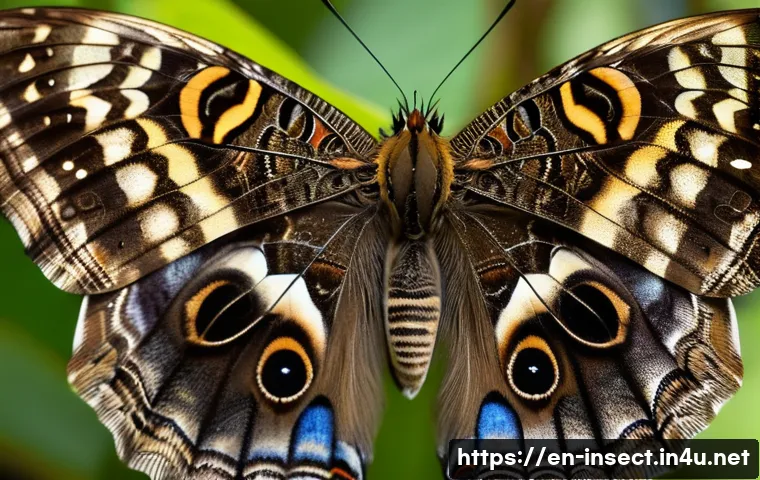
Some insects display eye-like patterns on their wings to startle or misdirect predators. These “eye spots” can resemble the eyes of larger animals, deterring attacks or directing strikes away from vital body parts.
Moths and butterflies commonly use this strategy. Once, I saw a giant owl butterfly spread its wings suddenly, revealing large, intimidating spots that scared off a curious bird.
It’s a clever visual tactic that blends art and survival.
Visual Communication Compared Across Insect Groups
Contrasting Strategies Among Species
Insect visual communication varies widely depending on ecological niches and evolutionary pressures. Predatory insects often rely on camouflage and sudden flashes to ambush prey, while pollinators use bright colors and patterns to attract mates and find flowers.
Social insects like ants and bees combine visual and chemical signals for colony coordination. This diversity highlights how vision adapts to serve multiple survival needs in different environments.
Environmental Influences on Visual Signals
Light availability, habitat complexity, and predator types shape how insects use visual communication. In dense forests, subtle color contrasts and movement might be more effective than bright flashes, whereas open environments favor bold displays.
I’ve noticed that desert insects often use reflective surfaces to deal with intense sunlight, while rainforest species rely on UV patterns. Understanding these environmental contexts is key to appreciating the visual languages insects speak.
Summary Table of Visual Communication Traits in Key Insect Groups
| Insect Group | Primary Visual Signals | Purpose | Notable Adaptations |
|---|---|---|---|
| Fireflies | Flashing bioluminescent light patterns | Mating, predator deterrence | Species-specific flash rhythms |
| Butterflies | Wing color patterns, UV markings | Mate attraction, camouflage | UV vision, iridescent scales |
| Bees | Body markings, waggle dance movements | Colony coordination, foraging | Complex dance language, color recognition |
| Praying Mantises | Threat postures, wing displays | Defense, intimidation | Colorful wings, foreleg spreading |
| Ants | Color cues, body movements | Alarm, dominance, colony recognition | Facial pattern recognition |
In Conclusion
Insects communicate in fascinating ways through color, light, and movement, creating a complex visual language that serves survival, mating, and social needs. Observing these signals up close reveals the intricate adaptations that have evolved over millions of years. Understanding these visual cues not only deepens our appreciation for insect behavior but also highlights the diversity and ingenuity of nature’s communication methods.
Useful Information to Know
1. Warning colors like bright reds and blacks often indicate toxicity or bad taste, protecting insects from predators.
2. Many insects use iridescent and UV-visible markings to attract mates, signaling their fitness in subtle yet effective ways.
3. Camouflage helps insects blend seamlessly into their surroundings, reducing the chance of being spotted by predators or prey.
4. Bioluminescent insects like fireflies use unique flashing patterns to find mates and warn off threats, creating natural light shows.
5. Social insects combine visual signals with movement and chemical cues to maintain colony structure and communicate efficiently.
Key Takeaways
Visual communication among insects is a diverse and highly specialized system shaped by environmental pressures and survival needs. From dazzling displays to subtle camouflage, these signals play critical roles in mating, defense, and social interaction. Recognizing the variety and purpose of these visual cues enhances our understanding of insect ecology and evolution, reminding us how even the smallest creatures have mastered the art of communication.
Frequently Asked Questions (FAQ) 📖
Q: How do insects use visual signals to attract mates?
A: Insects often rely on vibrant colors, flashing lights, or specific movement patterns to catch the attention of potential mates. For example, fireflies produce rhythmic light flashes that serve as courtship signals, while butterflies display intricate wing patterns that indicate their species and health.
From my observations, these visual cues are crucial because they help insects quickly identify suitable partners without wasting energy on unsuccessful attempts.
This form of signaling is especially important in dense environments where other senses might be less effective.
Q: Why do some insects have bright colors or patterns that seem to warn predators?
A: Bright colors and bold patterns often act as warning signs—what scientists call aposematism. These visual signals tell predators, “I’m toxic or taste bad,” discouraging attacks.
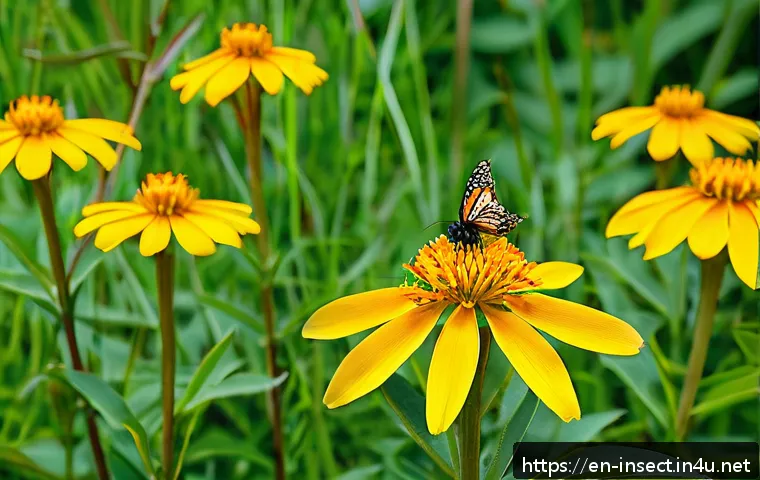
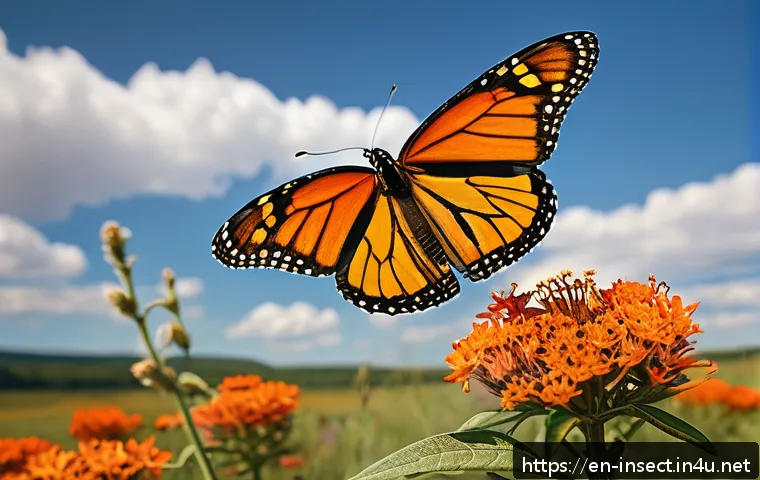
Take the monarch butterfly, for instance; its striking orange and black wings are a clear message that it contains toxins harmful to birds. I’ve noticed that predators tend to avoid these insects after a single unpleasant encounter, which highlights how powerful and effective this kind of visual communication can be for survival.
Q: Can insects communicate with each other visually beyond mating and warning signals?
A: Absolutely! Many social insects like bees and ants use visual cues to coordinate activities within their groups. For example, honeybees perform the “waggle dance,” a movement-based visual signal that shares information about food sources’ location and distance.
From what I’ve read and seen, these visual messages are vital for the colony’s efficiency and success. This shows that insect visual communication is not just about survival but also about collaboration and thriving together.