Insects are some of the most fascinating creatures on our planet, playing vital roles in ecosystems that often go unnoticed. From the delicate dance of butterflies to the relentless work of ants, their behaviors reveal incredible survival strategies.
Watching a well-crafted insect documentary opens a window into a hidden world teeming with life and complexity. It’s amazing how these tiny beings influence everything from pollination to soil health.
If you’ve ever wondered how insects shape our environment or simply want to marvel at their diversity, you’re in for a treat. Let’s dive deeper and uncover the secrets of insect life together!
Unveiling the Secret Lives of Insects
Intricate Social Structures
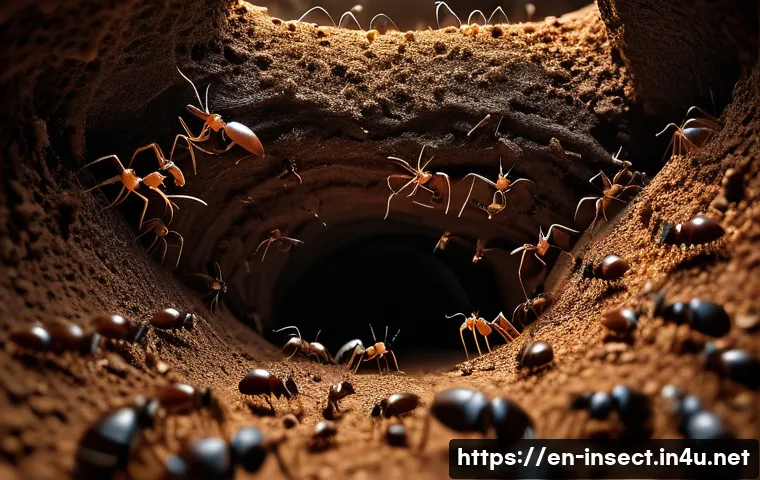
Insects like ants, bees, and termites are masters of social organization, living in colonies with complex hierarchies and division of labor. Watching these tiny architects coordinate tasks such as foraging, defense, and brood care is astonishing.
For example, in an ant colony, some individuals act as soldiers protecting the nest, while others specialize in gathering food or tending to the queen.
This level of cooperation, often invisible to the naked eye, highlights their evolutionary success. Personally, observing a filmed ant colony tunnel-building showed me how their communication through pheromones creates an efficient and adaptable society, something human teams could learn from.
Adaptive Survival Strategies
Insects have developed a variety of survival tactics that are nothing short of genius. Camouflage and mimicry are common, allowing them to blend into their surroundings or imitate other dangerous creatures to avoid predators.
Take the walking stick insect, which looks like a twig, or the viceroy butterfly, which mimics the toxic monarch. Some species even employ chemical defenses, secreting toxins or unpleasant substances to deter attackers.
The sheer diversity of these adaptations not only ensures their survival but also provides endless fascination when watching documentaries that zoom in on these tiny battles for life.
Communication Beyond Words
While insects obviously don’t use spoken language, their communication methods are highly sophisticated. Many rely on chemical signals called pheromones to convey messages across distances.
Fireflies use bioluminescence to attract mates or warn rivals, while bees perform intricate “waggle dances” to direct hive mates to rich food sources.
These behaviors are fascinating because they reveal how non-verbal communication can be incredibly effective, and they remind us how much there is to learn from nature’s own messaging systems.
The Role of Insects in Ecosystem Balance
Pollination Powerhouses
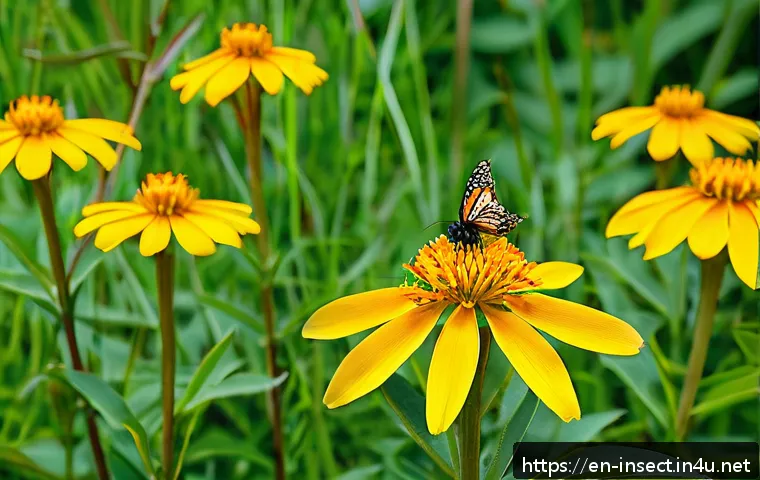
Bees, butterflies, and certain beetles play crucial roles in pollinating plants, which directly supports global food production. Without these tiny pollinators, many fruits, vegetables, and nuts would face severe shortages.
Watching footage of bumblebees working tirelessly from flower to flower made me appreciate how essential their activity is—not just for wild plants but also for crops that feed millions.
Their decline due to habitat loss and pesticides poses a real threat to food security, making conservation efforts more urgent than ever.
Decomposers and Soil Builders
Beyond pollination, insects like dung beetles and earthworms contribute to nutrient cycling by breaking down organic matter. This process enriches soil health and promotes plant growth.
A fascinating moment I recall is seeing dung beetles roll balls of waste into their burrows, recycling nutrients in a way that’s both practical and surprisingly elegant.
These decomposers maintain the foundation of terrestrial ecosystems, supporting plants and animals alike.
Food Web Foundations
Insects are a vital food source for countless animals, from birds and amphibians to small mammals and reptiles. Their abundance makes them a cornerstone of many food webs.
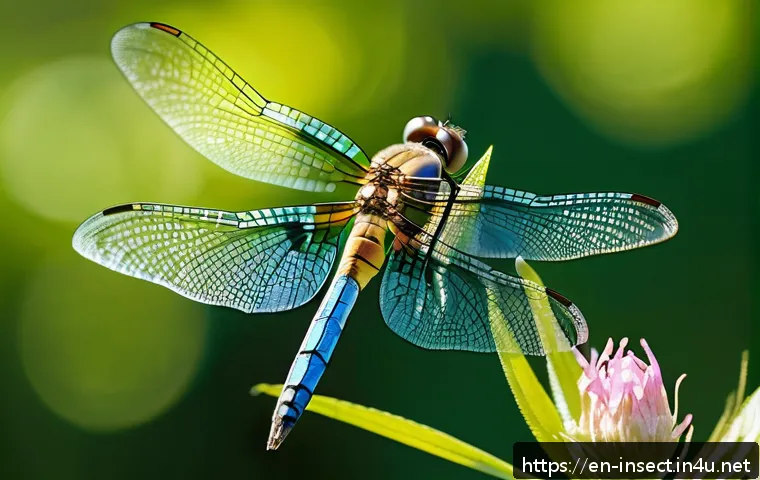
For example, dragonflies feed on mosquitoes, helping to control populations that can spread diseases. This natural pest control showcases how insects contribute to maintaining ecological balance, often with minimal human intervention.
Remarkable Insect Behaviors That Amaze
Migration Marvels
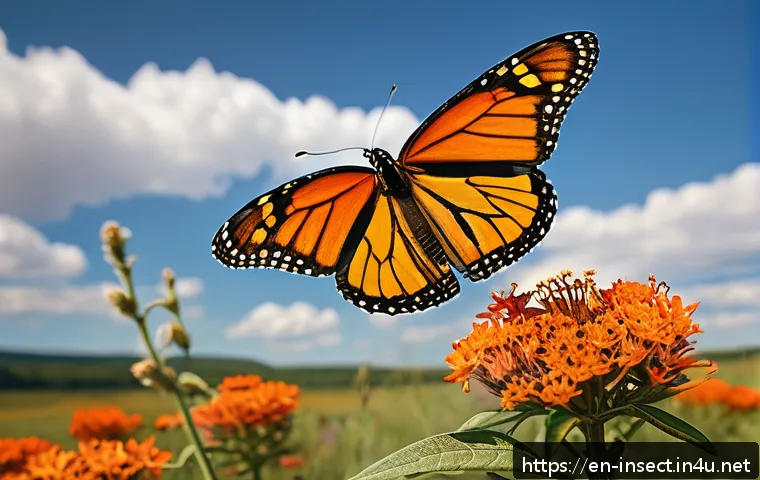
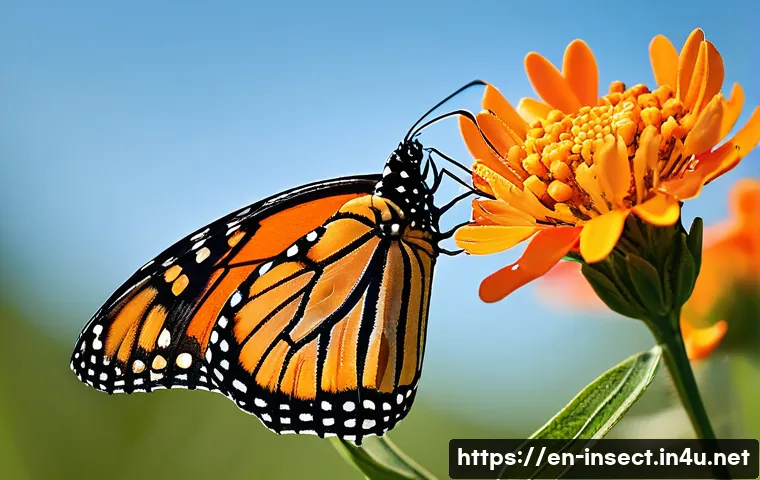
Some insects undertake incredible migrations that span thousands of miles. The monarch butterfly’s journey from North America to central Mexico is one of the most famous examples.
Witnessing this on film, I was struck by their endurance and navigational skills, especially since these tiny creatures rely on environmental cues like the sun and magnetic fields to guide them.
Their migration not only fascinates scientists but also symbolizes resilience and the interconnectedness of ecosystems across continents.
Construction and Engineering
Many insects are natural engineers, crafting nests and shelters with impressive precision. Wasps build paper-like nests from chewed wood fibers, and leafcutter ants create underground tunnels that optimize airflow and temperature.
Observing these constructions in documentaries reveals a level of architectural sophistication that often goes unnoticed. Personally, seeing a wasp’s nest up close made me marvel at how such delicate materials can form a sturdy home capable of housing entire colonies.
Defense Mechanisms in Action
Insects have evolved a vast array of defenses to avoid predation, including physical armor, stingers, and chemical sprays. Bombardier beetles, for example, eject a boiling chemical spray to deter attackers—a defense so dramatic it almost seems like science fiction.
These strategies highlight the ongoing arms race between predators and prey and show how evolutionary pressure shapes behavior and physiology.
Insects as Indicators of Environmental Health
Bioindicators and Monitoring
Certain insects serve as bioindicators, meaning their presence or absence reflects the health of an ecosystem. Mayflies and stoneflies, for instance, are sensitive to water pollution, so their populations help scientists gauge freshwater quality.
Watching a documentary segment on stream monitoring, I realized how crucial these tiny creatures are for early detection of environmental problems. Their rapid responses to changes make them invaluable for conservation and restoration efforts.
Impact of Habitat Loss and Climate Change
Insect populations worldwide are facing declines due to habitat destruction, pesticide use, and climate change. These stressors disrupt breeding cycles, food availability, and migration patterns.
I remember reading about how warming temperatures affect the timing of butterfly emergence, which can mismatch with the blooming of their nectar sources.
Documentaries that capture these shifts bring home the urgency of protecting insect habitats to preserve biodiversity and ecosystem services.
Conservation Initiatives and Citizen Science
Efforts to protect insects include habitat restoration, pesticide reduction, and public education. Many documentaries showcase citizen science projects where volunteers help monitor insect populations, contributing valuable data.
Participating in such projects, even virtually, can deepen appreciation and empower individuals to make a difference. From planting pollinator gardens to advocating for sustainable farming, these initiatives show how collective action can support insect survival.
Diversity and Specialization Among Insect Species
Varied Lifestyles and Niches
The insect world boasts an incredible range of species, each adapted to specific niches. Some are predators, others herbivores or scavengers. Take the assassin bug, which hunts other insects with precision, versus the leafhopper, which feeds on plant sap.
This diversity ensures that insects fulfill countless ecological roles, maintaining balance in nearly every environment on Earth. Watching documentaries that zoom in on these differences highlights nature’s creativity and complexity.
Coloration and Communication
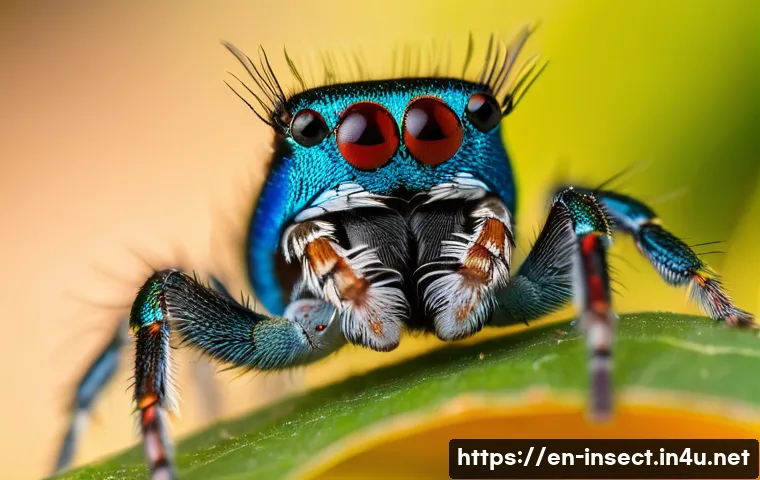
Insects exhibit a stunning array of colors and patterns used for mating, warning, or camouflage. Jewel beetles shimmer with iridescence, while ladybugs flaunt bright red spots signaling toxicity.
These visual signals are not just beautiful but functional, playing key roles in survival and reproduction. I’ve often been captivated by how these colors change under different lighting, something that high-definition filming captures spectacularly.
Reproductive Strategies and Life Cycles
Insect reproduction varies widely, from laying eggs in hidden crevices to elaborate courtship rituals. Some species, like cicadas, spend years underground before emerging synchronously in massive swarms.
These life cycles can be timed to avoid predators or exploit seasonal resources. Watching a cicada emergence sequence, I was amazed by the sheer numbers and timing precision, a testament to evolutionary adaptation and survival.
Technological Advances in Documenting Insect Life
Macro and Time-Lapse Filming
Modern filming techniques have revolutionized how we observe insects. Macro lenses reveal minute details like the texture of a butterfly’s wing scales, while time-lapse captures processes such as metamorphosis that unfold too slowly for the naked eye.
Experiencing these visuals firsthand made me appreciate the patience and skill behind nature documentaries, bringing invisible worlds into stunning clarity.
Use of Drones and Night Vision
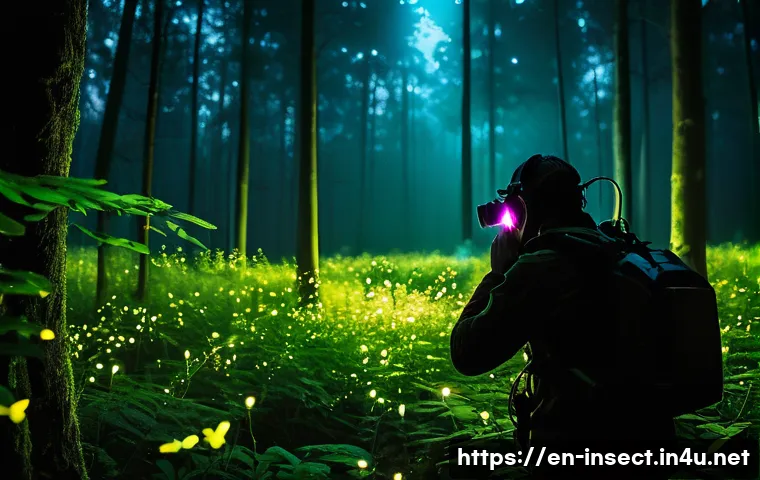
Drones allow filmmakers to capture insect behavior in hard-to-reach places like forest canopies or wetlands, while night vision technology reveals nocturnal activities that were once a mystery.
For instance, tracking firefly mating flashes or moth feeding habits at night uncovers behaviors that challenge our daytime-centric understanding. These tools open new frontiers for research and storytelling.
Interactive and Virtual Reality Experiences
Emerging technologies like VR are immersing audiences in insect environments, offering a 360-degree perspective that enhances empathy and understanding.
Experiencing a virtual ant colony or butterfly flight path creates a connection that traditional filming can’t match. This interactive approach is transforming education and inspiring a new generation to care about insects and their conservation.
| Insect Type | Role in Ecosystem | Unique Adaptation | Example Species |
|---|---|---|---|
| Pollinators | Pollination of plants and crops | Specialized body hairs for pollen transport | Honeybee, Bumblebee, Monarch Butterfly |
| Decomposers | Break down organic matter, enrich soil | Ability to digest tough plant fibers and waste | Dung Beetle, Earthworm (though not insect), Termite |
| Predators | Control pest populations | Sharp mandibles and quick reflexes | Praying Mantis, Ladybug, Dragonfly |
| Social Insects | Complex colony organization | Division of labor and chemical communication | Ants, Wasps, Termites |
| Migrators | Seasonal movement for survival and reproduction | Navigation using environmental cues | Monarch Butterfly, Painted Lady Butterfly |
Conclusion
Insects reveal a world of complexity and wonder that often goes unnoticed. Their social structures, survival tactics, and ecological roles are vital to the health of our planet. By appreciating their behaviors and challenges, we gain insight into nature’s intricate balance. Protecting insects means safeguarding biodiversity and the future of ecosystems worldwide.
Useful Information to Remember
1. Insects play essential roles such as pollination, decomposition, and pest control, impacting food security and environmental health.
2. Many species have evolved remarkable adaptations like camouflage, chemical defenses, and sophisticated communication methods.
3. Insect populations are sensitive indicators of ecosystem changes, making them valuable for environmental monitoring.
4. Modern technology, including macro filming and virtual reality, allows us to explore insect life in unprecedented detail.
5. Citizen science and conservation efforts are crucial for protecting insect habitats and promoting biodiversity worldwide.
Key Takeaways
Understanding insects’ diverse behaviors and ecological functions highlights their indispensable role in nature. Their survival strategies and social systems offer lessons in cooperation and resilience. However, threats like habitat loss and climate change demand urgent action. Supporting conservation and embracing innovative research tools can help ensure that these tiny yet mighty creatures continue to thrive for generations to come.
Frequently Asked Questions (FAQ) 📖
Q: How do insects contribute to pollination and why is it important?
A: Insects like bees, butterflies, and beetles are essential pollinators that transfer pollen from one flower to another, enabling plants to reproduce. This process supports the growth of fruits, vegetables, and seeds, which are crucial for ecosystems and human agriculture.
Without these tiny workers, many plants would struggle to survive, leading to a decline in food sources and biodiversity. From my own experience gardening, I’ve noticed how the absence of pollinators drastically reduces fruit yields, highlighting just how vital these insects are.
Q: What role do ants play in maintaining soil health?
A: Ants act as natural soil engineers by tunneling underground, which improves soil aeration and water infiltration. Their activity helps break down organic matter, recycling nutrients and promoting a healthier environment for plants to grow.
Watching ants at work in my backyard, I’ve seen how their nests create channels that allow roots to breathe better and access water more efficiently. This process ultimately supports stronger plant life and a balanced ecosystem.
Q: Why should we care about the diversity of insect species around us?
A: Insect diversity is a cornerstone of ecosystem stability and resilience. Each species has unique behaviors and ecological roles, from predators controlling pest populations to decomposers recycling dead material.
Losing this diversity can disrupt food chains and lead to environmental imbalances. I remember learning how the decline of certain butterfly species signaled broader environmental issues, making it clear that protecting insect variety is not just about insects, but about the health of our entire planet.