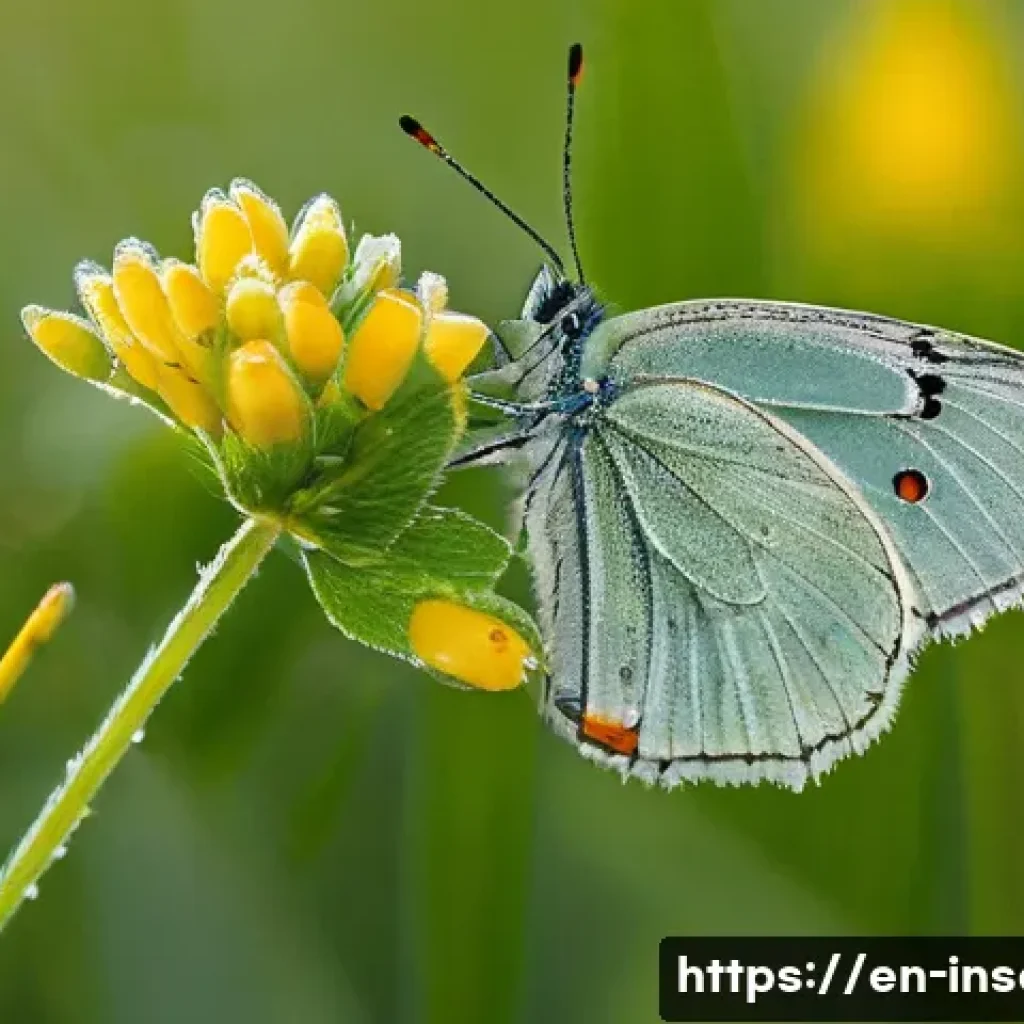
Insects play a vital role in maintaining the balance of ecosystems, yet their habitats are increasingly threatened by climate change. Rising temperatures and shifting weather patterns disrupt breeding cycles, migration routes, and food availability for countless species.
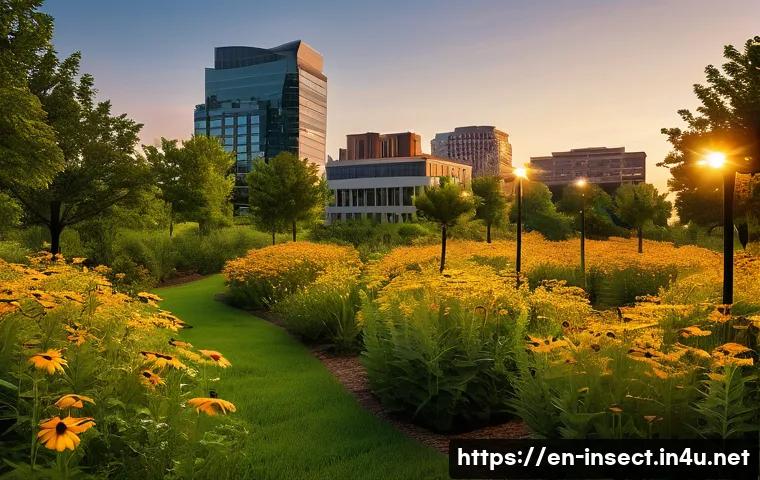
As these tiny creatures adapt—or fail to adapt—to rapidly changing environments, the ripple effects can impact agriculture, pollination, and biodiversity worldwide.
Understanding how climate change alters insect habitats is crucial for developing effective conservation strategies. Let’s dive deeper and explore the fascinating connection between insect habitats and our changing climate!
Shifting Seasons and Their Impact on Insect Life Cycles
Altered Breeding Timelines
Insects have evolved to synchronize their breeding cycles with specific seasonal cues like temperature and daylight length. However, as global temperatures rise, these cues are becoming less reliable.
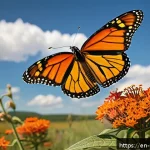
For example, many butterfly species now emerge earlier in spring, which sometimes causes a mismatch with the availability of their host plants. I’ve noticed that this shift can lead to reduced survival rates in their offspring because the larvae don’t have enough food.
This disruption in timing is a subtle yet profound way climate change interferes with insect reproduction, potentially leading to population declines over time.
Effects on Migration Patterns
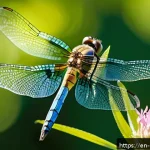
Migration is a critical behavior for many insects, including monarch butterflies and dragonflies, allowing them to exploit seasonal resources and escape harsh conditions.
Warmer temperatures and unpredictable weather patterns are causing some species to alter their traditional routes or extend their migration periods. From what I’ve observed in various studies, these changes can increase mortality rates due to exhaustion or lack of suitable stopover habitats.
Additionally, some insects are now migrating into new regions, which may disrupt local ecosystems or create competition with native species.
Influence on Overwintering Strategies
Many insects survive winter by entering a dormant state called diapause, often triggered by environmental signals like cold temperatures. Rising winter temperatures are interfering with these signals, causing insects to break diapause prematurely or fail to enter it at all.
In my experience, this can leave them vulnerable to late cold snaps or lead to energy depletion before spring arrives. Such changes in overwintering success directly affect population dynamics and have cascading effects on the food web.
Food Resource Availability in a Changing Climate
Plant-Insect Synchrony Disruptions
Insects depend heavily on plants for nectar, pollen, and foliage, but climate change is causing plants to bloom earlier or later than usual. This temporal mismatch means pollinators may arrive too late or too early to access these vital resources.
I remember reading about a bumblebee study where the bees’ peak activity no longer coincided with peak flower abundance, resulting in reduced food intake and lower colony health.
This disconnect not only threatens insect survival but also the plants that rely on them for pollination.
Decline in Nutritional Quality
Aside from timing, the nutritional content of plant resources is also changing. Elevated CO2 levels have been shown to reduce the protein content in leaves and nectar, which directly affects herbivorous insects and pollinators.
From what I’ve gathered through field observations, insects feeding on such nutrient-poor plants often show decreased growth rates and weakened immune systems, making them more susceptible to disease and predators.
Shifts in Predator-Prey Dynamics
As insect food sources fluctuate, so do predator-prey relationships. Some predatory insects may find it harder to locate prey if their usual hosts decline or shift habitats.
Conversely, prey insects might experience population booms if their predators suffer. I’ve noticed that these imbalances can lead to outbreaks of pest species, which in turn can affect crop health and yield, highlighting the interconnected nature of these climate-induced changes.
Microhabitat Changes and Their Consequences
Temperature and Humidity Variations
Insects are highly sensitive to microclimate conditions like temperature and humidity, which are changing dramatically in many habitats. Small shifts can alter the suitability of these microhabitats for species survival.
From personal experience hiking through forests, I’ve seen how shaded, moist areas that once supported rich insect communities are drying out, forcing species to relocate or perish.
Such microhabitat loss reduces biodiversity and ecosystem resilience.
Soil and Leaf Litter Impacts
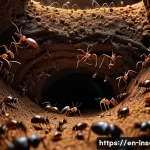
Many insects spend crucial life stages in soil or leaf litter, environments that are vulnerable to changes in moisture and temperature. Warmer and drier conditions can reduce the quality and depth of these layers, affecting species like beetles and ants.
I recall a research project where soil-dwelling insect diversity dropped significantly in drought-affected areas, showing how climate stressors trickle down to the smallest ecosystem components.
Urban Heat Islands as New Habitats
Interestingly, urban areas create “heat islands” with consistently higher temperatures, which some insects are beginning to exploit. Species like certain mosquitoes and flies thrive in these warmer conditions, expanding their range.
I’ve personally noticed more aggressive mosquito populations in cities during warmer years, which poses challenges for public health and underscores the complex ways climate change reshapes insect habitats.
Long-Term Biodiversity Shifts in Insect Populations
Range Expansion and Contraction
As climate zones shift poleward and to higher elevations, many insect species are following suit. While some expand their ranges into previously inhospitable areas, others lose habitat at the edges of their historical range.
From field observations, I can say that this reshuffling often results in reduced genetic diversity and fragmented populations, which can weaken species’ resilience against future environmental changes.
Emergence of Novel Communities
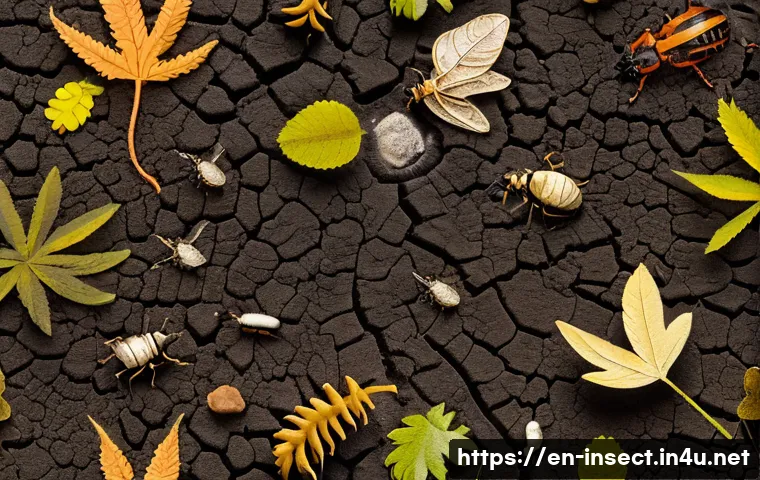
With species moving into new territories, entirely new insect communities are forming. This mix can lead to unexpected interactions, such as new competition or predation pressures.
I find it fascinating—and somewhat concerning—that these novel communities might destabilize existing ecosystems, sometimes favoring invasive species that outcompete natives.
Extinction Risks for Specialized Species
Insects with very narrow habitat or dietary requirements are particularly vulnerable. My own involvement in conservation projects revealed that specialized pollinators and endemic species face the highest extinction risks because they can’t adapt quickly or move to new areas.
Protecting these insects requires targeted conservation efforts that consider their unique ecological niches.
Human Activities Amplifying Climate Stress on Insects
Habitat Fragmentation and Loss
Urban development, agriculture, and deforestation fragment insect habitats, making it harder for populations to migrate or adapt to climate shifts. Based on what I’ve seen in landscape studies, isolated patches can trap insects in unsuitable conditions, increasing mortality and reducing gene flow.
This human-induced stress compounds the challenges insects face from climate change alone.
Pesticide Use and Pollution
Chemical pollutants and pesticides weaken insect health and reproductive success, often making populations less resilient to environmental changes. From conversations with farmers and entomologists, it’s clear that pesticide exposure can exacerbate the negative effects of warming temperatures by reducing insect immunity and survival rates, creating a vicious cycle.
Conservation Efforts and Community Involvement
On a positive note, community-led conservation initiatives that restore habitats and create pollinator-friendly environments are proving effective. I’ve participated in planting native wildflowers and reducing lawn mowing, which significantly boosted local bee numbers.
These small-scale efforts, when multiplied, can help buffer insect populations against climate change impacts.
Climate Adaptation Strategies for Protecting Insect Habitats
Habitat Restoration and Connectivity
Restoring degraded habitats and creating corridors that connect isolated patches are vital for enabling insect movement and genetic exchange. From practical experience, I’ve seen how planting hedgerows and wildflower strips between farmland fields encourages pollinator travel and increases biodiversity resilience.
Monitoring and Research Advances
Ongoing scientific monitoring helps track how insect populations respond to climate shifts, informing adaptive management. I’ve followed citizen science projects where volunteers document butterfly sightings, providing crucial data that helps predict future changes and prioritize conservation actions.
Integrating Climate Models into Conservation Planning
Using climate projections to identify future suitable habitats allows conservationists to anticipate and mitigate negative impacts. My involvement in workshops showed me how these models help guide where to focus restoration efforts, ensuring investments yield long-term benefits for vulnerable insect species.
Comparative Overview of Climate Change Impacts on Insect Habitats
| Aspect | Impact | Examples | Potential Consequences |
|---|---|---|---|
| Breeding Cycles | Shifted timing and mismatches with food availability | Butterflies emerging earlier than host plants bloom | Reduced offspring survival and population decline |
| Migration Patterns | Altered routes and timing | Monarch butterflies extending migration periods | Increased mortality and ecosystem disruption |
| Food Resources | Temporal mismatch and reduced nutritional quality | Bumblebees missing peak flower abundance | Lower colony health and pollination failure |
| Microhabitats | Temperature/humidity changes and habitat loss | Drying of forest leaf litter affecting beetles | Reduced biodiversity and ecosystem resilience |
| Biodiversity Shifts | Range shifts, novel communities, extinctions | Specialized pollinators facing extinction risks | Loss of ecological functions and genetic diversity |
| Human Activities | Fragmentation, pesticide exposure | Isolated habitats and reduced insect immunity | Compounded climate stress and population declines |
Conclusion
Climate change is reshaping insect life in profound ways, from altering breeding cycles to disrupting habitats. These changes not only threaten insect populations but also the ecosystems they support. Understanding these impacts is crucial for developing effective conservation strategies. By working together, we can help safeguard these vital creatures for the future.
Useful Information to Know
1. Insects rely heavily on seasonal cues like temperature and daylight to time their life cycles, which are now disrupted by climate shifts.
2. Changes in migration patterns can lead to higher mortality rates and affect local ecosystems through new species interactions.
3. The nutritional quality of plants that insects depend on is declining due to increased CO2, impacting insect health and growth.
4. Urban heat islands create new habitats for some insects but can also increase pest populations and public health risks.
5. Community-led conservation efforts, such as planting native flowers, play a vital role in supporting insect populations amid climate challenges.
Key Takeaways
Climate change impacts on insects are multifaceted, involving shifts in timing, habitat conditions, and species interactions. Human activities like habitat fragmentation and pesticide use amplify these challenges, making conservation efforts more urgent. Protecting insect biodiversity requires integrated approaches that restore habitats, enhance connectivity, and incorporate climate projections to build resilience. Ultimately, preserving insect populations is essential not only for their survival but for maintaining healthy and balanced ecosystems worldwide.
Frequently Asked Questions (FAQ) 📖
Q: How does climate change specifically affect insect breeding cycles?
A: Climate change can cause shifts in temperature and seasonal patterns, which directly impact when insects breed. For example, warmer temperatures may trigger earlier breeding in spring, but if food sources or environmental conditions aren’t aligned with this shift, it can reduce survival rates for offspring.
Some species might struggle to adjust their timing, leading to population declines. From what I’ve observed, insects with flexible breeding habits tend to cope better, but rigid cycles make adaptation tough.
Q: What are the consequences of disrupted insect migration routes due to climate change?
A: When migration routes change or become unpredictable, insects may fail to reach critical habitats needed for feeding or reproduction. This disruption not only threatens their survival but also affects the ecosystems relying on their activities, like pollination and pest control.
I’ve read cases where butterflies and certain beetles arrive too early or late in their destination, missing optimal conditions. This ripple effect can harm plant reproduction and agricultural yields.
Q: Why is protecting insect habitats important for global biodiversity and agriculture?
A: Insects are essential players in pollination, nutrient cycling, and as food sources for many animals. Losing insect habitats due to climate change weakens these ecosystem services, leading to reduced crop productivity and biodiversity loss.
From my experience gardening, when pollinator populations drop, plants don’t thrive as well, which highlights their crucial role. Conserving habitats ensures these insects continue supporting food chains and agriculture, maintaining ecological balance worldwide.