Insects play a crucial role in our ecosystems, from pollination to pest control, yet they often face threats from habitat loss and climate change. Governments worldwide have been stepping up with laws and policies aimed at protecting these tiny but mighty creatures.

Understanding these regulations is essential not only for conservationists but also for farmers, gardeners, and anyone interested in biodiversity. These policies influence everything from pesticide use to habitat preservation and species protection.
Staying informed can help us contribute to sustainable practices that support insect populations. Let’s dive deeper and explore the fascinating world of insect-related laws and policies in detail!
Legislative Frameworks Shaping Insect Conservation
International Agreements and Their Impact
Global cooperation has become indispensable when it comes to insect conservation. Treaties like the Convention on Biological Diversity (CBD) set broad targets for protecting species and habitats, including those vital for insects.
While these agreements don’t always impose direct legal obligations, they encourage nations to adopt policies that prioritize insect diversity. For example, the CBD’s Aichi Biodiversity Targets pushed many countries to develop national strategies focusing on pollinator health and habitat restoration.
These international frameworks provide a blueprint but require local enforcement to be truly effective. Without coordination, efforts remain fragmented, and insects continue to face risks from fragmented habitats and pesticide misuse.
National Laws: The Backbone of Protection
At the country level, laws vary widely but generally cover pesticide regulation, habitat conservation, and species protection. In the U.S., the Endangered Species Act has been pivotal in protecting rare insect species by restricting harmful activities in critical habitats.
Meanwhile, the Federal Insecticide, Fungicide, and Rodenticide Act (FIFRA) controls pesticide registration and usage, indirectly safeguarding beneficial insect populations.
However, enforcement challenges and competing agricultural interests often complicate these protections. Farmers and landowners sometimes feel caught between economic survival and environmental stewardship, making balanced policy implementation crucial.
Local Ordinances and Community Initiatives
Cities and municipalities have begun introducing their own rules to support insects, especially pollinators. From banning certain neonicotinoids to creating pollinator-friendly green spaces, local governments play a hands-on role in conservation.
These smaller-scale policies often allow for quicker adaptation and community engagement, fostering grassroots support. For instance, some U.S. cities have established “bee-friendly” zones where pesticide use is restricted, and native plants are encouraged.
This local approach can be a game-changer because it complements broader policies and directly involves citizens in insect preservation efforts.
Regulating Pesticides: Balancing Agriculture and Ecosystem Health
Understanding Pesticide Restrictions
Pesticides have long been a double-edged sword. While they help control pests and increase crop yields, their widespread use has decimated beneficial insect populations.
Regulations often focus on limiting or banning substances harmful to pollinators and other non-target insects. For example, the European Union’s ban on several neonicotinoids was a landmark move reflecting growing scientific consensus about their risks.
In the U.S., the Environmental Protection Agency (EPA) evaluates pesticides based on their environmental impact, but the process can be slow and contentious, with industry pushback complicating decisions.
Integrated Pest Management (IPM) Policies
Integrated Pest Management has gained traction as a policy-driven approach that reduces reliance on chemical pesticides. It emphasizes monitoring pest populations, using biological controls like predatory insects, and applying chemicals only when necessary.
Many governments now incentivize IPM adoption through subsidies or training programs, recognizing its dual benefits of crop protection and insect conservation.
From personal experience working with farmers, those who embrace IPM often see healthier ecosystems and more resilient crops, though it requires patience and education.
Challenges in Enforcement and Compliance
Even with strong pesticide regulations, enforcement remains a hurdle. Farmers may lack awareness or resources to comply fully, and illegal pesticide use persists in some regions.
Additionally, regulatory agencies face pressure from agricultural lobbies to relax restrictions, creating a tug-of-war between environmental and economic priorities.
This complexity highlights the need for transparent communication, robust monitoring, and community involvement to ensure policies translate into real-world benefits for insect populations.
Habitat Protection and Restoration Policies
Designating Protected Areas for Insects
Protected areas have traditionally focused on large mammals or iconic plants, but there’s growing recognition of the need to include insect habitats. Conservation programs now aim to safeguard critical environments like wildflower meadows, wetlands, and forest edges where many insects thrive.
Legal designations—such as wildlife refuges or conservation easements—limit disruptive activities like development or intensive agriculture. These protections help maintain the complex ecological webs insects depend on.
However, many insect habitats are fragmented or privately owned, posing challenges for comprehensive protection.
Restoration Initiatives and Funding
Beyond protection, restoration projects seek to revive degraded habitats essential for insects. Governments and NGOs invest in replanting native flora, removing invasive species, and improving soil health to create welcoming conditions.
Funding often comes through grants or cost-share programs that encourage landowners to participate. For example, the U.S. Department of Agriculture’s Conservation Reserve Program pays farmers to convert marginal cropland into pollinator-friendly habitats.
Such initiatives demonstrate how policy can align economic incentives with biodiversity goals, leading to measurable improvements in insect populations.
Urban Green Spaces and Insect-Friendly Planning
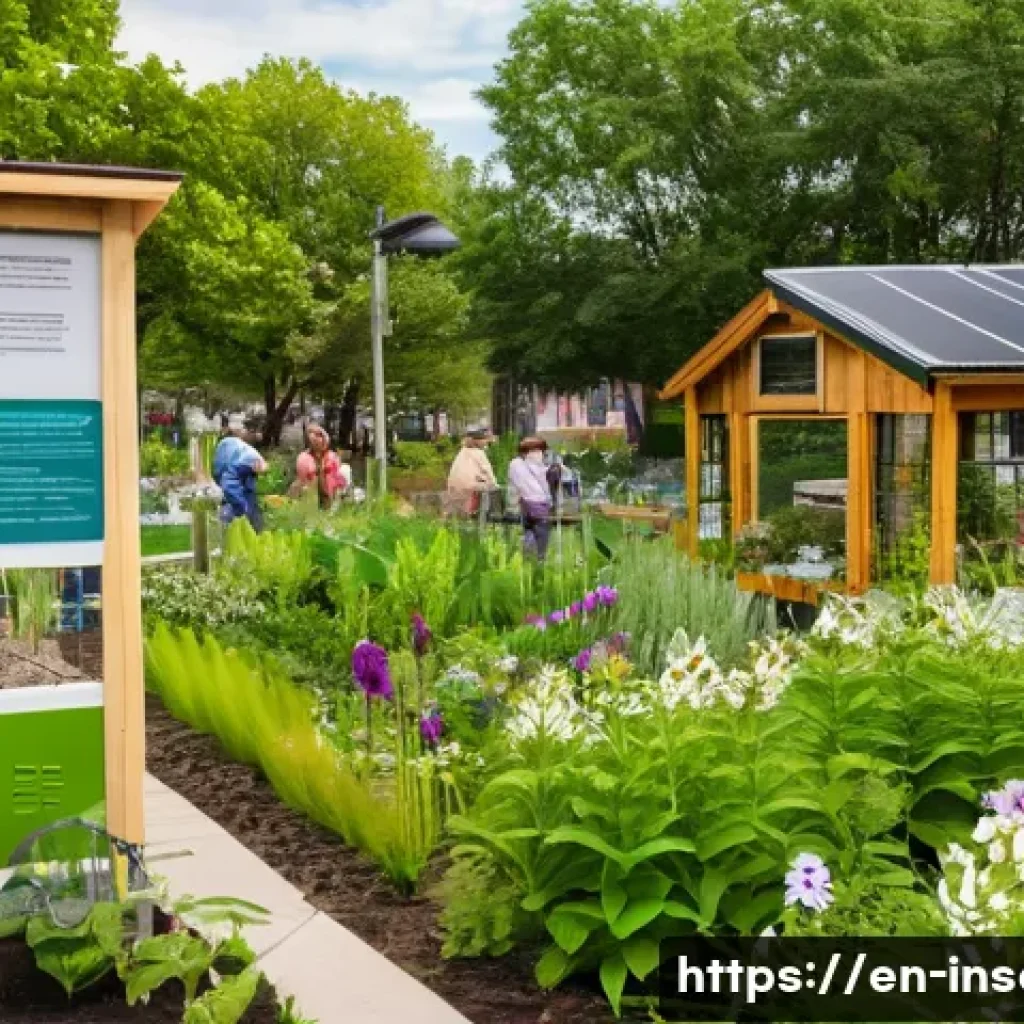
Urbanization poses a significant threat to insect habitats, but smart city planning can turn this around. Policies promoting green roofs, community gardens, and native plant landscaping help create microhabitats within cities.
Some municipalities require developers to include pollinator corridors or limit pesticide use in public parks. These efforts not only support insects but also enhance urban residents’ connection to nature.
From my visits to cities with robust green infrastructure, the difference in insect activity and public awareness is striking compared to areas with less focus on ecological design.
Species-Specific Protections and Conservation Programs
Listing and Monitoring Endangered Insects
Identifying which insect species are at risk is a critical first step for targeted protection. Many countries maintain lists of endangered or threatened insects, triggering legal safeguards and conservation actions.
Monitoring programs track population trends, habitat conditions, and threats, providing data that informs policy adjustments. However, insects are often underrepresented in conservation research compared to larger animals, leading to knowledge gaps.
Increasing funding and scientific focus on insect species can improve accuracy and effectiveness of these programs.
Captive Breeding and Reintroduction Efforts
For some critically endangered insects, captive breeding and reintroduction have become valuable conservation tools. Butterfly species like the Karner blue in the U.S.
have benefited from such programs, which aim to bolster wild populations and restore genetic diversity. These efforts require careful habitat preparation and ongoing monitoring to succeed.
While resource-intensive, they demonstrate a proactive approach to species recovery that complements habitat protection and legal measures.
Community Involvement in Species Conservation
Engaging local communities is often key to the success of insect conservation programs. Citizen science projects, for example, empower volunteers to help monitor populations, report sightings, and contribute valuable data.
Educational campaigns raise awareness about the importance of specific insects and promote behaviors that reduce harm, like planting native flowers or avoiding pesticides.
From personal observation, communities that feel ownership of conservation efforts tend to maintain momentum and achieve lasting results.
Policies Promoting Sustainable Agricultural Practices
Agri-environment Schemes Supporting Insects
Many governments have implemented agri-environment schemes offering financial incentives to farmers who adopt insect-friendly practices. These might include maintaining hedgerows, planting cover crops, or reducing pesticide use.
Such programs recognize that farming and insect conservation are not mutually exclusive but can be mutually beneficial. Farmers I’ve talked to often appreciate the additional income and improved soil and pollination services these practices provide, although administrative complexity can sometimes discourage participation.
Certification Programs and Market Incentives
Certification labels like “Organic” or “Pollinator Friendly” create market incentives for farmers to implement sustainable practices. These certifications often require adherence to specific standards that protect insect habitats and reduce chemical inputs.
Consumers increasingly seek out these products, creating economic motivation for farmers to comply. The ripple effect encourages supply chains to prioritize sustainability, indirectly supporting insect populations across broader landscapes.
Education and Training for Farmers
Policy-driven education initiatives equip farmers with knowledge about sustainable practices and insect conservation. Workshops, extension services, and demonstration projects showcase techniques like crop rotation, biological pest control, and habitat enhancement.
From firsthand experience, farmers who receive hands-on training are more likely to adopt new methods and troubleshoot challenges effectively. Continuous education helps bridge the gap between policy goals and practical implementation.
Addressing Climate Change Effects through Policy
Incorporating Insects into Climate Adaptation Plans
Climate change poses unprecedented threats to insect populations, altering phenology, distributions, and habitat suitability. Recognizing this, some policies now explicitly include insects in broader climate adaptation strategies.
This means protecting climate refugia, facilitating habitat connectivity, and supporting genetic diversity to enhance resilience. Policymakers are beginning to understand that conserving insects is vital not only for biodiversity but also for ecosystem services like pollination and pest control that agriculture depends on.
Reducing Greenhouse Gas Emissions in Agriculture
Since agriculture contributes significantly to emissions, policies aimed at reducing its carbon footprint also benefit insects indirectly. Practices such as no-till farming, agroforestry, and cover cropping sequester carbon and improve soil health, creating better conditions for insect life.
Subsidies and regulations encouraging these practices help align climate and biodiversity objectives. My discussions with farmers reveal that these dual benefits can motivate adoption, especially when economic incentives are clear.
Monitoring and Research on Climate-Insect Interactions
Effective policy relies on robust scientific data, and climate-insect interactions remain a complex area of study. Governments fund research programs to track changes in insect behavior, distribution, and population dynamics under shifting climates.
This information is crucial for adaptive management and updating legal protections. Enhanced monitoring networks involving citizen scientists and technology such as remote sensing improve data collection and policy responsiveness.
Comparative Overview of Key Insect Protection Policies
| Policy Type | Main Focus | Examples | Challenges | Benefits |
|---|---|---|---|---|
| International Agreements | Global biodiversity targets, cooperative frameworks | Convention on Biological Diversity, IPBES assessments | Implementation varies by country, lack of enforcement | Sets global priorities, encourages national action |
| National Laws | Pesticide regulation, endangered species protection | Endangered Species Act (USA), EU pesticide bans | Balancing agriculture and conservation, enforcement | Direct legal protections, habitat and species safeguards |
| Local Ordinances | Urban green spaces, pesticide restrictions | City bee-friendly zones, pollinator corridors | Limited scope, variable public support | Community engagement, rapid policy adaptation |
| Agri-environment Schemes | Incentives for sustainable farming | USDA Conservation Reserve Program, EU CAP subsidies | Administrative complexity, farmer participation rates | Improved habitats, reduced chemical use |
| Climate Adaptation Policies | Habitat connectivity, resilience building | National climate plans including biodiversity | Scientific uncertainty, funding limitations | Long-term insect survival, ecosystem service stability |
Conclusion
Insect conservation is shaped by a complex web of policies at international, national, and local levels, each playing a vital role. Effective protection requires collaboration, enforcement, and community engagement to address threats like habitat loss and pesticide misuse. By aligning agricultural practices and climate strategies with conservation goals, we can create resilient ecosystems that support both insects and human well-being. Ongoing research and adaptive policies will be essential to safeguard insect diversity for future generations.
Useful Information to Know
1. International agreements provide a global framework but depend heavily on national and local action for real impact.
2. National laws vary widely but are crucial for regulating pesticides and protecting endangered insect species.
3. Local initiatives, such as urban pollinator zones, offer practical and community-driven solutions.
4. Sustainable farming practices and certification programs help balance economic needs with insect conservation.
5. Climate change policies increasingly incorporate insect conservation to ensure ecosystem resilience and food security.
Key Takeaways
Insect conservation policies work best when integrated across scales, from international treaties to grassroots efforts. Strong legal frameworks must be paired with effective enforcement and farmer education to manage pesticide risks and habitat loss. Supporting sustainable agriculture through incentives and certifications can boost insect populations while maintaining productivity. Addressing climate change impacts by protecting habitats and promoting adaptive strategies is critical. Lastly, engaging communities in monitoring and conservation fosters long-term commitment and success.
Frequently Asked Questions (FAQ) 📖
Q: What are some common laws protecting insect populations?
A: Many countries have implemented regulations that limit the use of harmful pesticides, protect critical habitats, and promote biodiversity-friendly farming practices.
For example, laws may restrict the spraying of neonicotinoids, which are known to harm pollinators like bees. Additionally, some regions designate protected areas where insect habitats are preserved, ensuring that vital ecosystems remain intact.
These laws aim to reduce human impact on insect populations and encourage sustainable land management.
Q: How do these policies affect farmers and gardeners?
A: Farmers and gardeners often need to adjust their practices to comply with insect protection policies. This might mean adopting integrated pest management techniques, using less toxic alternatives, or planting native flowering plants to support pollinators.
While these changes may require some effort upfront, many have found that supporting beneficial insects can improve crop yields and reduce long-term pest problems.
Understanding and following these policies helps create a healthier environment and can even benefit their own productivity.
Q: Why is it important for the general public to stay informed about insect-related laws?
A: Insects play a vital role in maintaining healthy ecosystems that support food production, clean air, and natural pest control. When the public understands the regulations in place, they can make informed choices—like avoiding harmful pesticides at home or supporting conservation initiatives—that contribute to insect survival.
Staying informed also helps people advocate for stronger protections and sustainable policies, ultimately ensuring that these tiny creatures continue to thrive for future generations.