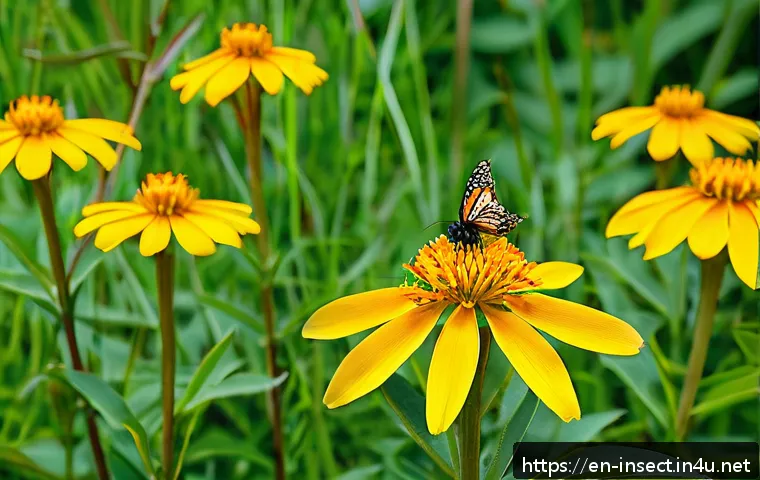
Have you noticed how many insects seem to be disappearing from our gardens and parks lately? This silent crisis is unfolding right under our noses, yet it rarely makes headlines.
From buzzing bees to vibrant butterflies, countless insect species are teetering on the brink of extinction, and their loss threatens entire ecosystems.
As climate change, habitat destruction, and pollution intensify, understanding which species are most endangered becomes crucial. Let’s dive into the world of these tiny but vital creatures and explore actionable ways we can all help turn the tide before it’s too late.
Unveiling the Vanishing Buzz: Insects on the Edge
Hidden Declines in Familiar Neighbors
When we stroll through gardens or relax in parks, the hum of insects used to be a constant companion. Lately, though, that familiar soundtrack feels muted.
Species we once took for granted—like bumblebees or ladybugs—are becoming scarce. It’s not just a random disappearance but a widespread trend fueled by multiple stressors.
Habitat loss, pesticide overuse, and climate shifts are quietly pushing these small creatures toward oblivion. From my own backyard observations, I noticed fewer butterflies fluttering around the flowers compared to just a few years ago, a subtle but telling sign of this decline.
Why These Tiny Creatures Matter More Than We Think
Insects play irreplaceable roles in ecosystems—pollinating plants, recycling nutrients, and serving as food for birds and other wildlife. Their disappearance doesn’t just mean fewer bugs; it’s the unraveling of entire food webs.
For example, the decline of pollinators like native bees directly impacts crop production and the health of wild plants. Personally, I’ve seen how a garden that loses its pollinators quickly struggles to thrive, making it clear how interconnected our well-being is with theirs.
Species Vulnerable to Our Changing World
Not all insects face the same threats. Some are more sensitive to temperature changes, while others can’t survive without specific plants or habitats.
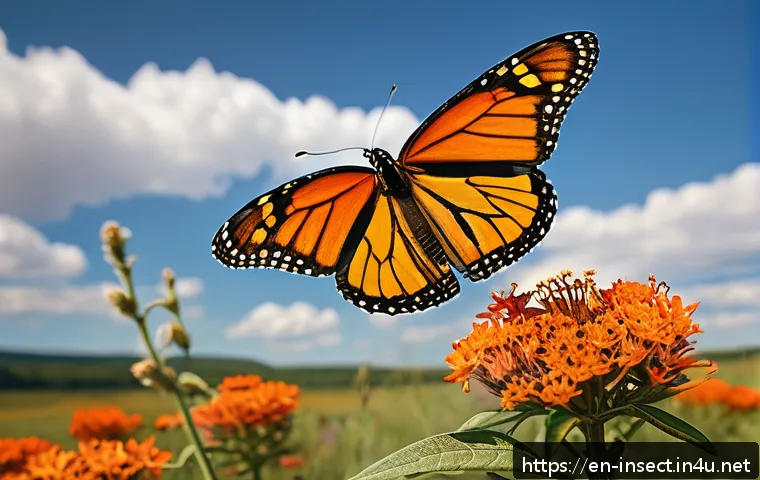
The monarch butterfly, for instance, depends on milkweed plants for its larvae, and when those plants vanish, so does the butterfly. Similarly, the rusty patched bumblebee has suffered from habitat fragmentation and disease, which have severely reduced its numbers.
These species act as indicators, signaling broader environmental troubles that require urgent attention.
Decoding the Threats: What’s Driving Insect Decline?
The Role of Climate Change in Shifting Habitats
Climate change doesn’t just warm the planet; it alters rainfall patterns, season lengths, and plant blooming times. Insects that evolved to thrive under specific conditions suddenly find themselves out of sync with their environments.
For example, warmer springs can cause flowers to bloom earlier than usual, but if pollinators haven’t adjusted their life cycles accordingly, they miss critical feeding opportunities.
I’ve read reports where mismatches like these have led to sharp population drops in certain bee species.
Habitat Destruction and Fragmentation
Urban sprawl, intensive agriculture, and deforestation have reduced the natural spaces insects rely on. Even small patches of wildflower meadows surrounded by pavement can’t support diverse insect communities.
From personal experience volunteering in local restoration projects, it’s clear that creating connected green corridors is essential to give insects room to thrive and migrate safely.
Pollution’s Silent but Deadly Impact
Pesticides, heavy metals, and air pollutants are often invisible enemies. Neonicotinoids, a class of pesticides, have been particularly damaging to bee populations by impairing their navigation and immune systems.
I’ve spoken with gardeners who switched to organic practices and noticed a remarkable recovery in insect activity, which underlines how reducing chemical use can make a real difference.
Spotlight on Disappearing Pollinators: Bees and Butterflies
Bees: The Unsung Heroes Under Threat
Bees are vital pollinators, but their numbers have been dropping alarmingly. Colony collapse disorder, habitat loss, and pesticide exposure have all contributed.
In my community, local beekeepers have observed weaker hives and fewer queens surviving the winter, which is a direct reflection of the broader environmental pressures bees face.
Butterflies: Fragile Indicators of Ecosystem Health
Butterflies are not only beautiful but also sensitive to environmental changes, making them excellent indicators of ecosystem health. Their larvae often require specific host plants, so when those plants disappear due to development or invasive species, butterflies follow.
Walking through a butterfly garden I helped plant, I noticed a steady increase in species diversity over time, showing that thoughtful habitat restoration can yield positive outcomes.
How Citizen Science Helps Track These Changes
Many communities now participate in monitoring programs where everyday people report sightings of bees and butterflies. This data helps scientists understand population trends and identify critical habitats needing protection.
I’ve taken part in a few of these projects myself, and it’s rewarding to know that my observations contribute to larger conservation efforts.
Restoring Balance: What We Can Do to Help Insect Survivors
Creating Pollinator-Friendly Gardens
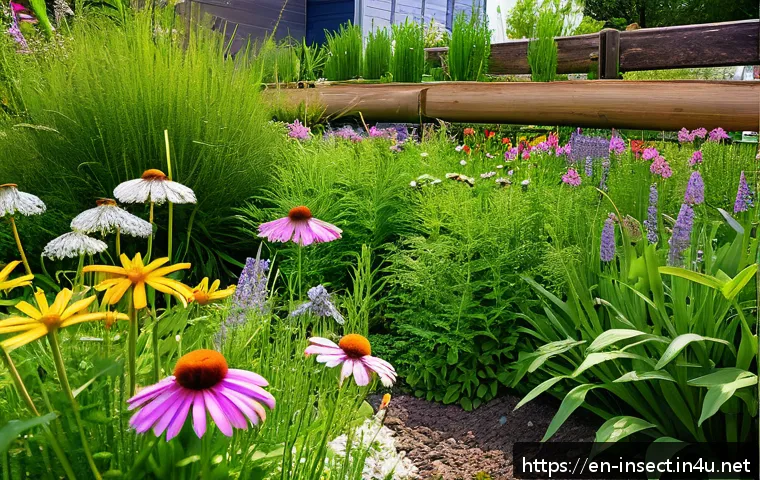
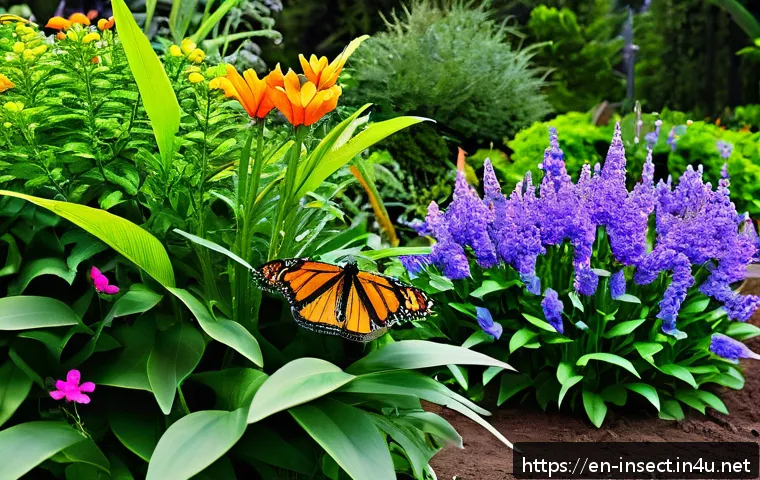
Planting native flowers, reducing pesticide use, and providing water sources can transform even small urban spaces into insect havens. From my experience, starting with a handful of native species and watching the garden come alive with pollinators is incredibly satisfying and encourages others to do the same.
Advocating for Sustainable Land Use
Supporting policies that protect natural habitats and promote sustainable agriculture is crucial. Engaging with local government or environmental groups can amplify our voices.
I’ve found that attending town hall meetings and sharing personal stories about insect losses can sway decisions toward greener practices.
Educating and Inspiring Others
Sharing knowledge about the importance of insects and how to protect them can create a ripple effect. Hosting workshops or simply chatting with neighbors about what I’ve learned has sparked curiosity and action in unexpected ways.
Mapping the Crisis: Key Endangered Insect Species and Their Challenges
| Species | Main Threats | Habitat Requirements | Conservation Actions |
|---|---|---|---|
| Monarch Butterfly | Habitat loss, climate change, pesticide use | Milkweed plants for larvae, open meadows | Planting milkweed, protecting migration corridors |
| Rusty Patched Bumblebee | Disease, habitat fragmentation, pesticide exposure | Diverse wildflower meadows, nesting sites | Habitat restoration, pesticide restrictions |
| European Honeybee | Colony collapse disorder, pesticides, parasites | Varied flowering plants, safe nesting areas | Beekeeping best practices, reducing chemical use |
| European Peacock Butterfly | Habitat loss, climate change | Woodland edges, gardens with nettles | Creating butterfly-friendly gardens, habitat connectivity |
| Ladybug Species | Pesticides, habitat loss | Vegetated areas with aphid populations | Organic gardening, habitat preservation |
The Ripple Effects: How Insect Declines Affect Us All
Food Security and Agriculture
Insects pollinate a significant portion of the crops that feed the world. Their decline threatens yields of fruits, nuts, and vegetables, which could lead to increased food prices and reduced availability.
I’ve noticed how farmers are increasingly concerned about declining pollinator populations and are experimenting with diverse cropping systems and pollinator-friendly practices to safeguard their harvests.
Wildlife and Biodiversity
Many birds, amphibians, and small mammals rely on insects as a primary food source. A drop in insect numbers cascades up the food chain, affecting entire communities of wildlife.
During hikes, I’ve seen fewer insect-eating birds, which signals broader ecosystem stress.
Human Well-being and Cultural Impact
Beyond ecological and economic factors, insects have cultural significance in many societies, inspiring art, traditions, and scientific curiosity. Their disappearance diminishes these connections and the joy of experiencing nature’s richness firsthand.
I often reflect on childhood memories of chasing fireflies and realize how such experiences are becoming rarer for today’s children.
Innovations and Hope: Emerging Solutions to Protect Insects
Technological Advances in Monitoring
New tools like drone surveys and AI-powered image recognition are revolutionizing how scientists track insect populations. I’ve seen demonstrations where tiny cameras capture insect activity in real-time, providing invaluable data for conservation strategies.
Urban Planning with Insect-Friendly Designs
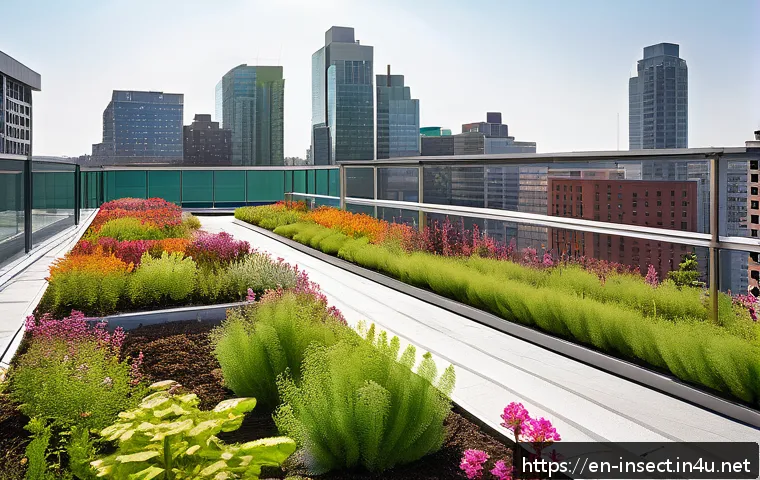
Cities are beginning to incorporate green roofs, pollinator pathways, and pesticide-free zones to support urban insect life. Visiting such cities, it’s inspiring to see how thoughtful design can bring nature back into concrete jungles.
Community-Led Conservation Efforts
Grassroots initiatives, from school gardens to local habitat restoration projects, empower people to make tangible changes. I’ve participated in planting native wildflowers in public spaces, and witnessing the gradual return of insects reinforces the power of collective action.
Concluding Thoughts
The decline of insects is a silent crisis with far-reaching consequences for ecosystems and human life. By understanding the threats they face and taking proactive steps, we can help reverse this trend. Every small action, from planting native flowers to supporting sustainable policies, contributes to a healthier environment. Together, we hold the power to protect these vital creatures and the balance of nature they sustain.
Useful Information to Remember
1. Insects are essential pollinators that support global food production and biodiversity.
2. Habitat loss, climate change, and pesticide use are the primary drivers behind insect population declines.
3. Creating pollinator-friendly gardens and reducing chemical use can significantly aid insect recovery.
4. Citizen science initiatives allow communities to track insect health and contribute to conservation efforts.
5. Urban planning and technological innovations offer promising solutions for integrating insect-friendly environments into modern landscapes.
Key Takeaways
Insect populations are declining globally due to multiple human-induced pressures, threatening ecosystem stability and food security. Protecting insects requires a multifaceted approach including habitat restoration, sustainable agricultural practices, and public engagement. The survival of many species depends on preserving native plants and reducing harmful chemicals. Supporting policies and community-led conservation are crucial for long-term success. Ultimately, fostering awareness and participation at all levels can create meaningful change for insect conservation and ecological resilience.
Frequently Asked Questions (FAQ) 📖
Q: Why are insect populations declining so rapidly in our gardens and parks?
A: Insect populations are dropping mainly due to habitat loss, pesticide use, climate change, and pollution. When natural spaces shrink or become contaminated, insects lose their food sources and breeding grounds.
For example, the widespread use of neonicotinoid pesticides harms bees’ nervous systems, reducing their ability to forage and reproduce. Climate shifts also disrupt seasonal cycles and migration patterns, making survival tougher.
From my experience gardening, even small changes like fewer wildflowers can cause noticeable drops in local insect visits.
Q: Which insect species are most at risk, and why should we care?
A: Bees, butterflies, dragonflies, and many native beetles are among the most endangered. These insects play critical roles in pollination, pest control, and nutrient cycling.
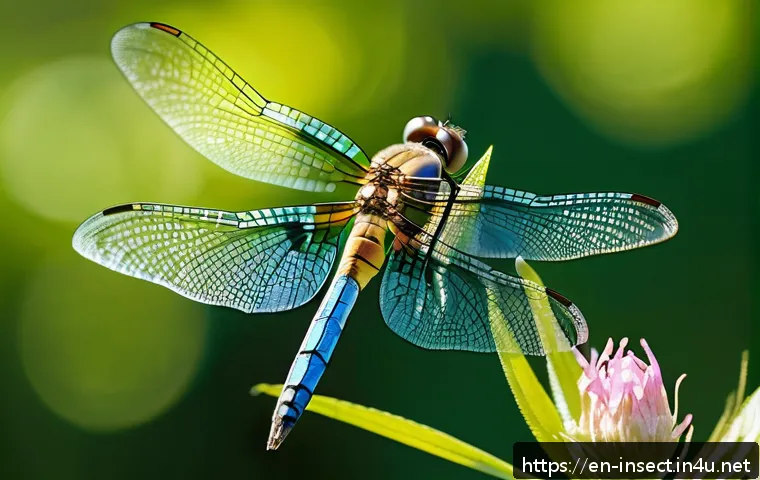
Without them, plants struggle to reproduce, affecting food chains and ecosystem stability. I’ve personally noticed fewer butterflies in my area, which not only affects garden beauty but signals a deeper ecological imbalance.
Protecting these species ensures healthy crops and vibrant natural spaces, which benefit us all directly.
Q: What practical steps can I take to help protect endangered insects in my community?
A: Start by planting native flowers and avoiding chemical pesticides in your garden or balcony. Creating a small pollinator-friendly habitat with diverse plants, water sources, and shelter can make a huge difference.
Supporting local conservation groups and advocating for green spaces also helps on a larger scale. From what I’ve tried, even simple actions like leaving a patch of wild grass or providing bee hotels invite beneficial insects back.
Every little effort adds up toward reversing the decline.