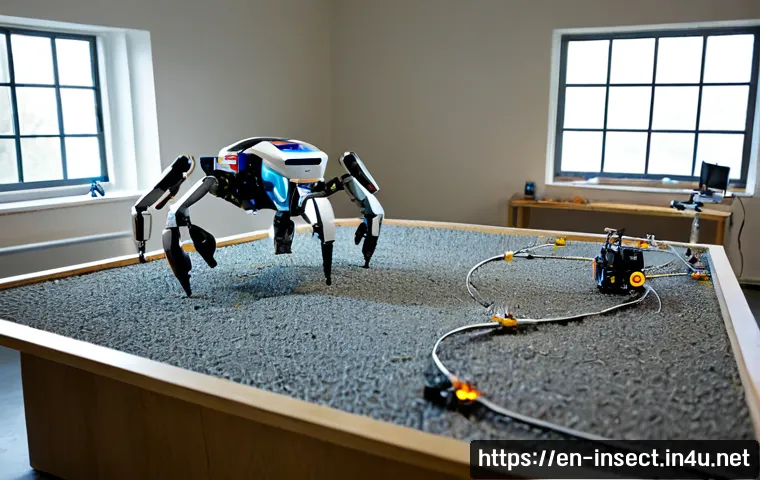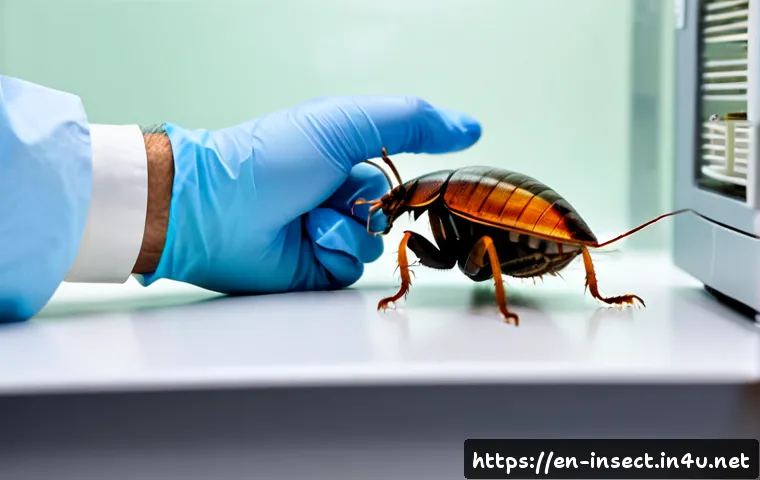
Insect bioenergy is best viewed as a research and low-power sensing concept, not a practical source of electricity for homes, offices, or the grid. Its main value is in studying biohybrid systems, small-scale energy harvesting, and insect-associated microbial processes under controlled conditions.
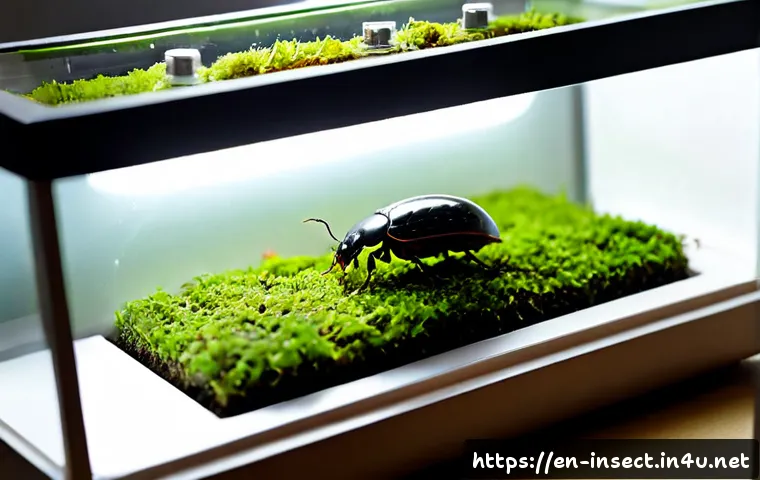
For a pilot project, the right choice depends less on novelty and more on the sensor load, measurement quality, containment needs, and ongoing maintenance.
Motion harvesting, metabolic concepts, and microbial fuel cell research each require different laboratory equipment and produce different kinds of data.
Teams should compare the biological insight gained against simpler options such as batteries, solar panels, or conventional sensors. A responsible pilot also needs clear welfare, biosafety, and local research-rule checks before organisms or microbes are introduced.
At a Glance
- Insect-based energy systems are mainly suited to low-power research, sensing, and educational prototypes.
- Performance can change significantly with biological conditions, electrode materials, activity levels, and measurement methods.
- A useful pilot starts with the required sensor load and data-quality goal, not with a claim about scalable renewable power.
| Approach | Realistic Power Scale | Equipment Complexity | Maintenance Needs | Likely Project Cost Category |
|---|---|---|---|---|
| Insect-motion harvesting | Very low power for experimental sensing concepts | Moderate: harvesting hardware, sensors, enclosure, data logging | Ongoing biological care and repeatable measurement conditions | Moderate |
| Metabolic biohybrid concepts | Very low power for laboratory prototypes | Moderate to high: biological interface, electronics, monitoring | High due to biological variability and system handling | Moderate to high |
| Insect-associated microbial fuel cell research | Low-power electrochemical research and sensing studies | High: electrodes, cell setup, calibration, controlled monitoring | High because conditions and electrochemical performance require tracking | Moderate to high |
| Battery or small solar solution | Often more practical for a defined sensor load | Low to moderate | Usually lower than a biological system | Varies by application |
What Insect-Based Energy Research Can Realistically Power
The short answer: low-power research and sensing applications, not grid-scale electricity
Insect bioenergy is not a household electricity solution. Energy harvested from small biological systems is generally limited, making it more relevant to research prototypes and very low-power sensing concepts. The practical question is usually not “Can this replace conventional power?” but “Can this system produce useful experimental data while supporting a small electronic measurement task?”
This distinction matters when evaluating renewable energy research equipment. A pilot may be worthwhile if its purpose is to investigate biological efficiency, organism-device interaction, or microbial electrochemistry. It is much less convincing when a laboratory demonstration is presented as evidence of a future commercial power supply.
Three pathways: motion harvesting, metabolic systems, and insect-associated microbial research
Motion harvesting explores whether insect movement can interact with an energy-harvesting device. It may be relevant when the project focuses on mechanics, movement patterns, or low-power sensor triggering. Results can vary with species, activity level, temperature, humidity, device design, and the method used to record output.
Metabolic biohybrid systems combine living organisms or biological components with electronic sensors and energy-harvesting devices. These systems can be scientifically interesting because they connect biological processes with electronics, but they also introduce variability and welfare responsibilities that ordinary electronic prototypes do not have.
Insect-associated microbial fuel cell research examines electrochemical reactions involving microorganisms that may be associated with insects or their environments. A microbial fuel cell is an electrochemical system, so electrode selection, measurement quality, and controlled conditions are central to the project. The presence of an insect-related biological source does not by itself establish that a setup is scalable or commercially viable.
Comparing Biohybrid Energy Approaches, Equipment Needs, and Project Value
Motion-based harvesters versus microbial fuel cell setups
A motion-based project often centers on physical movement, device response, and sensor readings. Its hardware may include an energy-harvesting component, low-power sensors, a data logger, and an enclosure designed for safe observation. The challenge is separating genuine harvested signals from inconsistent movement or poor measurement setup.
A microbial fuel cell setup places more emphasis on electrodes, electrochemical connections, environmental control, and repeatable monitoring. It can provide a stronger fit for teams researching microbial fuel cells or laboratory-scale bioenergy systems, but it generally demands more careful calibration and maintenance than a simple motion experiment.
For both approaches, supplier comparisons should focus on compatibility rather than headline claims. Check whether sensors, data loggers, electrode materials, enclosures, and calibration tools work together under the required laboratory conditions.
Power output, monitoring requirements, maintenance, and cost categories
It is not possible to state the commercially viable output, lifespan, or cost of a specific insect bioenergy pilot without defined conditions. The result can change substantially based on the species, biological environment, temperature, humidity, electrode materials, and measurement method.
That is why a realistic equipment budget should include more than the energy-harvesting device itself. Consider the full pilot package:
- Sensors: Select sensors with a known low-power requirement and a suitable measurement range.
- Electrodes and connectors: For microbial fuel cell research, evaluate material compatibility and repeatability.
- Data logging: Use a system that records readings consistently enough to compare test conditions.
- Containment: Plan for an enclosure that supports safe handling, hygiene, and observation.
- Calibration tools: Include appropriate tools to verify that readings are not caused by sensor drift or setup errors.
- Maintenance: Account for labor time, environmental checks, cleaning, and documentation.
A low purchase price for individual components does not necessarily mean a low-cost pilot. Biological maintenance and repeatable data collection can become the larger operational burden.
When conventional solar, batteries, or standard sensors offer better value
If the main goal is simply to operate a sensor reliably, a battery, small solar panel, or standard sensor architecture may offer better value. These options are often easier to maintain and more predictable for a known load. They are especially worth considering when biological insight is not essential to the project.
Insect-related research earns its place when the biological system is part of the research question. For example, a team may need to study biohybrid behavior, biological constraints, or insect-associated microbial processes. If the goal is only dependable remote monitoring, a conventional power source may be the clearer engineering choice.
Building a Responsible Pilot: Process, Tools, and Common Mistakes
Define the load, measurement method, and success criteria first
Start by defining the sensor power need, the measurement interval, and the type of result required. Is the pilot intended to observe a voltage trend, test an electrochemical response, trigger a low-power sensor, or compare biological conditions? A precise purpose prevents a team from buying equipment before knowing whether it can answer the actual research question.
Success criteria should also be realistic. A useful outcome may be repeatable data under documented conditions, not continuous power delivery. This approach makes it easier to compare prototypes without overstating their real-world potential.
Core equipment: electrodes, sensors, data loggers, enclosures, and calibration tools
A responsible laboratory setup commonly requires a combination of electrodes, low-power sensors, a data logger, containment equipment, and calibration tools. The exact configuration depends on whether the project emphasizes motion harvesting, a metabolic biohybrid device, or a microbial fuel cell.
When reviewing laboratory equipment, look beyond individual specifications. Ask whether the logging system captures the relevant signal, whether the sensor can operate at the intended power level, and whether the enclosure supports stable temperature, humidity, and hygiene practices. Official product documentation and detailed compatibility conditions are the best places to check before selecting components.
Avoiding unreliable readings, poor containment, and exaggerated performance claims
Common mistakes include treating a short demonstration as stable performance, changing several conditions at once, or reporting output without documenting the measurement method. Biological systems can be variable, so tests should record environmental conditions, activity observations where relevant, component changes, and calibration checks.
Poor containment can create both data-quality and biosafety problems. A pilot should include a plan for handling, cleaning, observation, and preventing unintended release. Do not assume a specific insect species is suitable, permitted, or ethical without checking applicable institutional and local requirements.
Where These Systems May Fit—and Where They Do Not

Educational demonstrations and university research projects
Insect bioenergy can fit educational demonstrations and university research where the aim is to explore the relationship between biology, electronics, and energy harvesting. These projects can help students compare mechanical, biological, and electrochemical approaches while learning why controlled measurement matters.
The strongest educational outcome is usually not a dramatic electricity claim. It is a well-documented experiment that shows how environmental conditions, biological behavior, and instrumentation affect observed results.
Environmental monitoring concepts with very low power demand
Very low-power environmental monitoring is a possible concept area, particularly where a project is studying a biological system alongside sensing. However, the sensor requirement should be assessed first. A system that needs dependable continuous operation may not be a suitable match for a variable biological energy source.
For a research prototype, the value may lie in observing how a sensor, data logger, or biohybrid interface behaves under controlled conditions. Moving beyond that stage requires further evidence on durability, maintenance, containment, and operational reliability.
Why consumer devices and commercial power supply remain challenging use cases
Consumer devices and commercial electricity supply remain challenging use cases because insect-based systems face limited energy availability, biological variability, maintenance requirements, and ethical or regulatory considerations. Long-term durability is also a major commercialization barrier.
A controlled laboratory concept should not be treated as proof that a system can scale beyond that environment. Any proposal for wider deployment needs separate evaluation of the organism, equipment, operating conditions, local rules, and long-term maintenance plan.
Ethics, Biosafety, and Operational Considerations
Animal welfare and institutional review requirements
Projects involving living organisms should consider animal welfare, ethical review, containment, and local research rules from the beginning. Requirements can differ by institution and location. A proposed species or procedure should be reviewed through the appropriate channels rather than assumed to be acceptable because the project is small.
Temperature, humidity, hygiene, and containment planning
Temperature and humidity can affect both biological activity and prototype performance. Hygiene and containment procedures also influence safety and repeatability. Plan the observation environment before the experiment starts, then record relevant conditions throughout the test period.
For insect-associated microbial research, biosafety planning should include how materials are handled, contained, cleaned, and documented. These operational details are not secondary tasks; they are part of building credible results.
Documentation needed for repeatable experiments
Keep a clear record of the system design, electrode materials, sensor configuration, data-logging method, enclosure conditions, calibration checks, maintenance events, and experimental changes. Documentation makes it easier to identify why two tests differ and helps prevent accidental overinterpretation of a single result.
Selection Criteria and Comparison Summary
Choose insect-related bioenergy research when biological insight is part of the project value, not simply because the concept appears renewable. Compare the sensor power need before choosing a biohybrid design. Check whether a battery, solar option, or standard microbial fuel cell would meet the same technical goal with less maintenance. Include containment, data logging, electrodes, calibration, labor time, and approval needs in the total pilot comparison. Ask whether the expected data quality justifies the operational complexity. Before purchasing, review official specifications and detailed conditions from equipment suppliers, laboratory partners, or research consultants.
Conclusion
Insect bioenergy technologies are promising as research tools for studying biohybrid systems, small-scale harvesting, and microbial electrochemistry. Their most realistic role is in controlled experiments and very low-power sensing concepts. A strong pilot defines the load first, measures performance carefully, and treats welfare, biosafety, and maintenance as core design requirements. For reliable practical power, conventional batteries, solar equipment, or standard sensor systems may often be the better fit.
Useful Information to Keep in Mind
1. A biological energy demonstration is not automatically a scalable renewable-energy system.
2. Temperature, humidity, activity level, electrode materials, and measurement methods can all affect results.
3. Data logging and calibration are as important as the energy-harvesting concept itself.
4. Containment and ethical review should be planned before biological materials are used.
Important Limitations and Checks
The viable output, cost, lifespan, and scalability of a particular insect-based system cannot be determined without specific laboratory conditions and equipment requirements. The appropriateness, permission status, and ethical suitability of any insect species also require local and institutional verification. Avoid making commercial-power claims from a prototype tested only in a controlled setting.
Frequently Asked Questions
Q1. Can insect bioenergy generate enough electricity for a home or business?
A1. Insect bioenergy is generally more relevant to low-power sensors and research prototypes than household or commercial electricity supply. Small biological systems have limited harvested energy, and long-term durability, maintenance, and scalability remain important barriers.
Q2. What equipment is needed to test an insect-associated microbial fuel cell?
A2. A pilot may require suitable electrodes, connectors, sensors, a data logger, containment equipment, environmental monitoring, and calibration tools. The exact setup depends on the research question, microbial fuel cell design, laboratory conditions, and applicable biosafety procedures.
Q3. Is insect bioenergy safe and ethical for school or laboratory projects?
A3. It can require careful planning around animal welfare, containment, hygiene, biosafety, and local research rules. Do not assume that a particular insect species or procedure is permitted or appropriate; check institutional requirements and supervision needs before starting.