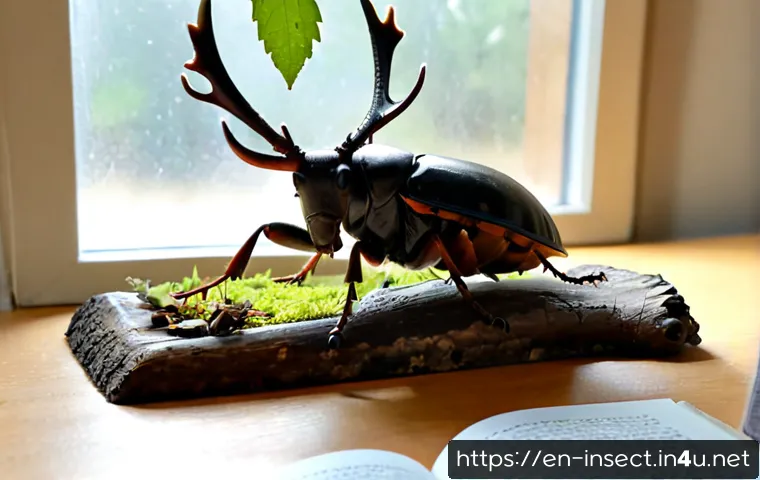
Choose a broad beginner insect guide if you are still deciding what to keep or only need a short-term observation setup. Choose a species-specific husbandry manual when you already know the insect and need reliable details for feeding, climate control, breeding, or long-term care.
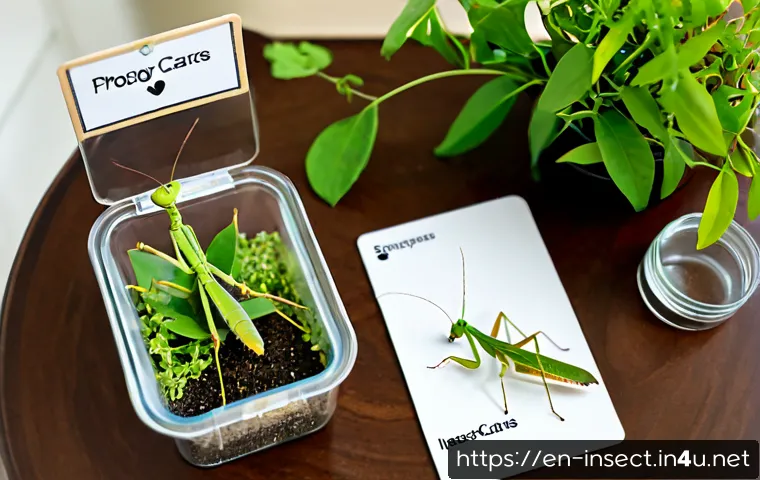
The best purchase is the book that matches the species, its current life stage, and the enclosure you can realistically manage. A beautiful natural-history book may help with identification, but it may not explain substrate, ventilation, hygiene, or food sourcing.
Before ordering, compare the guide’s care coverage with the terrarium equipment and feeder insect supplies your planned setup requires. Also check local guidance before collecting, buying, transporting, or releasing any insect.
At a Glance
- A general beginner guide works best for basic observation, identification, and simple first projects.
- A species-specific husbandry manual is more useful when feeding, breeding, environmental control, or long-term care matters.
- Match every book to the insect’s species, life stage, enclosure needs, and local rules before buying supplies.
| Book type | Best for | Practical setup detail | When to check for updates | Value level |
|---|---|---|---|---|
| Broad beginner guide | New keepers, families, classroom observation | Usually basic | Before using legal or species-specific advice | Lower-commitment overview |
| Field guide | Identification and outdoor observation | Often limited for captive care | When names or classifications have changed | Useful companion reference |
| Captive-care manual | Pet insects and managed habitats | Usually stronger on enclosure and routine care | Before purchasing climate-control equipment | Practical purchase for keepers |
| Species-specific breeding manual | Long-term projects and multi-generation colonies | Most detailed when well matched | Always confirm current local restrictions | Specialist reference |
The Quick Answer: Choose a Book That Matches the Insect and Your Keeping Goal
The right insect rearing book is not necessarily the thickest one. It is the one that clearly addresses the insect you plan to keep and the level of care you intend to provide. A first-time keeper may only need a clear overview, while a breeder may need specific guidance on environmental conditions, food sourcing, and each stage of development.
When a Broad Beginner Guide Is Sufficient
A broad guide can be enough if your goal is learning basic insect keeping, identifying common groups, or creating a temporary observation habitat. Look for straightforward sections on safe handling, enclosure hygiene, ventilation, food, and responsible release practices. It is a sensible starting point before investing in a terrarium, heating equipment, or a more specialized breeding kit.
When a Species-Specific Care Manual Is the Better Purchase
Choose a specialist manual when you know the species or group you want to keep. This matters for insects with distinct care needs involving diet, substrate, temperature, humidity, light exposure, and ventilation. It is especially useful when you expect to manage eggs, larvae, pupae, and adults rather than only observing one stage.
Three Details to Verify Before Ordering a Book
First, confirm that the title clearly names the species or group it covers. Second, check whether it explains care across the relevant life stages. Third, see whether its setup advice fits the enclosure and climate-control equipment you can use safely. A book written for a different insect, climate, or purpose may create more confusion than value.
Compare Insect Care Book Types Before You Buy
Field Guides Versus Captive-Care Guides
Field guides are helpful for recognizing insects and learning about natural habitats. However, they may not provide enough information for captive rearing. A captive-care guide should discuss the practical side: enclosure layout, cleaning routines, ventilation, food, and conditions that may change as the insect develops.
Natural-History References Versus Breeding Manuals
A natural-history reference explains what an insect is and how it lives in the wild. A breeding manual should go further by addressing managed conditions and life-cycle transitions. Do not assume that information about wild behavior automatically translates into successful captive breeding. Breeding outcomes depend on many conditions, and a guide should be treated as planning help rather than a guarantee.
Print Books, Updated Editions, and Digital Care Resources
Print books are easy to keep near an enclosure and can make routine checks simple. Updated editions or digital resources may be useful when taxonomy, availability, or local requirements need verification. Regardless of format, check whether the information is specific enough for your insect and current enough to support further research.
Value Comparison: Low-Commitment Overview or Specialist Reference
A lower-commitment overview can prevent impulsive purchases when you are exploring insect keeping for the first time. A detailed specialist reference makes more sense when you are buying a terrarium, substrate, feeders, climate-control accessories, or supplies for a longer project. The better value is the guide that prevents a mismatch between your insect and your setup.
What a Practical Rearing Guide Should Cover
Species Identification and Life-Cycle Information
A useful guide identifies the insect or group clearly and explains its relevant life stages. In complete-metamorphosis insects, egg, larva, pupa, and adult are distinct stages that may need different care conditions. If a book only describes the adult, it may be incomplete for a rearing project.
Enclosure, Substrate, Ventilation, and Cleaning Guidance
Look for practical details on enclosure design, suitable substrate, airflow, and routine hygiene. These are not decorative extras. A terrarium that looks suitable may still be inappropriate if it does not match the insect’s ventilation or substrate needs. A good guide should help you think through cleaning without disrupting the insect unnecessarily.
Diet, Food Sourcing, and Feeding Schedules
Feeding advice should explain what food is appropriate and how to source it safely. This is particularly important when insects have narrow dietary needs or when different stages eat different foods. Avoid relying on vague statements such as “feed leaves” without confirming which plant material is appropriate for the insect you actually have.
Temperature, Humidity, and Seasonal Care Considerations
Environmental conditions can vary substantially among species. A practical care book should explain whether temperature, humidity, light exposure, or seasonal changes are relevant to the animal’s care. Read this section before selecting heaters, moisture-control tools, or other terrarium equipment.
Setup Mistakes a Good Guidebook Can Help You Avoid
Using Advice Written for a Different Species or Life Stage
Similar-looking insects can have very different needs. Advice for an adult display insect may not apply to larvae or pupae. Before following any care chart, verify the species or group and identify the life stage in your enclosure.

Buying Equipment Before Confirming Environmental Needs
It is easy to buy an enclosure first and research later. A better order is to select the insect, confirm its care requirements, then compare terrarium size, ventilation, substrate, and climate-control options. This approach can reduce unnecessary purchases and avoid building a setup around assumptions.
Overlooking Local Restrictions and Responsible Sourcing
Some insects may be subject to local rules on collection, transport, importation, sale, or release. Check relevant local guidance before obtaining insects or ordering specialist supplies. Captive insects should not be released into the wild unless that action is specifically permitted and appropriate under local guidance.
Treating Breeding Advice as a Guarantee of Successful Reproduction
Even a detailed breeding guide cannot promise results. Conditions, food quality, hygiene, timing, and life stage can all affect an attempt. Use breeding instructions to prepare carefully, not as a promise that a colony will reproduce.
Which Type of Guide Fits Your Situation?
First-Time Keepers Raising a Common Classroom or Garden Species
Start with a beginner-friendly guide that clearly explains identification, short-term care, hygiene, and responsible sourcing. Choose a book that does not assume advanced equipment or prior breeding experience.
Families Building a Short-Term Observation Habitat
Look for simple instructions and clear life-cycle illustrations. Prioritize guidance on safe food, ventilation, cleaning, and what to do when the observation period ends. Avoid turning a temporary project into an unplanned long-term setup.
Keepers Maintaining Display Insects as Long-Term Pets
A captive-care guide or species-specific manual is usually the stronger choice. Long-term care requires more than basic identification; it calls for dependable information about enclosure conditions, feeding, hygiene, and changes between life stages.
Breeders Managing Feeder Insects or Multi-Generation Colonies
Choose a detailed husbandry reference that addresses colony management, sanitation, food sourcing, and developmental stages. Compare the book’s care coverage with the equipment your species actually requires before selecting containers, substrate, feeders, or breeding supplies.
Selection Criteria and Comparison Summary
Use this checklist before choosing a title:
- Does it identify the exact species or relevant group?
- Does it cover the life stages you plan to manage?
- Does it explain enclosure, substrate, ventilation, hygiene, and feeding?
- Does its environmental advice fit your realistic setup?
- Does it remind readers to verify local collection, transport, and release rules?
Spend more on a detailed manual when your project involves long-term care, controlled terrarium conditions, breeding, or repeated purchases of feeder insect supplies. For a basic observation project, a clear introductory guide may be enough. When comparing books and care equipment, check the title’s product description or specialist retailer page for the scope, edition, and conditions it actually covers.
Final Thoughts
An insect rearing book is most useful when it helps you make better choices before the enclosure is assembled. Start with the insect and your goal, then select a guide that covers the appropriate life stages and practical care needs. General books are valuable foundations, but specialist guides become more important as the setup becomes more demanding. Careful matching is better than buying a broad reference and hoping it applies.
Useful Things to Know
1. A field guide may identify an insect without explaining captive husbandry.
2. Complete-metamorphosis insects can need different conditions as eggs, larvae, pupae, and adults.
3. Enclosure hygiene and safe food sourcing are recurring parts of successful day-to-day care.
4. Local rules can affect whether an insect may be collected, bought, transported, kept, or released.
Important Notes
Book editions, availability, pricing, taxonomic information, and legal guidance can change. Confirm that a title is current enough for your purpose, and verify local requirements independently. No general guide can confirm whether a particular insect is legal to obtain or keep in your location.
Frequently Asked Questions
Q1. What should beginners look for in an insect rearing book?
A1. Look for clear species or group identification, life-cycle information, enclosure guidance, feeding details, hygiene advice, and reminders to check local rules. A beginner book should make the daily care routine understandable without assuming advanced equipment.
Q2. Is a general insect guide enough for keeping stick insects, beetles, or caterpillars?
A2. It can be enough for basic learning or short-term observation, but it may not provide the specific care details needed for long-term keeping. For a known species, a guide that addresses its diet, life stage, enclosure conditions, and ventilation needs is the safer choice.
Q3. How much should I expect to spend on an insect care guide and basic setup?
A3. Costs vary by book type, edition, retailer, species, and the equipment required. Compare the current book listing with the enclosure, substrate, feeder, and climate-control needs described for your planned insect before deciding whether an introductory guide or specialist manual offers better value.