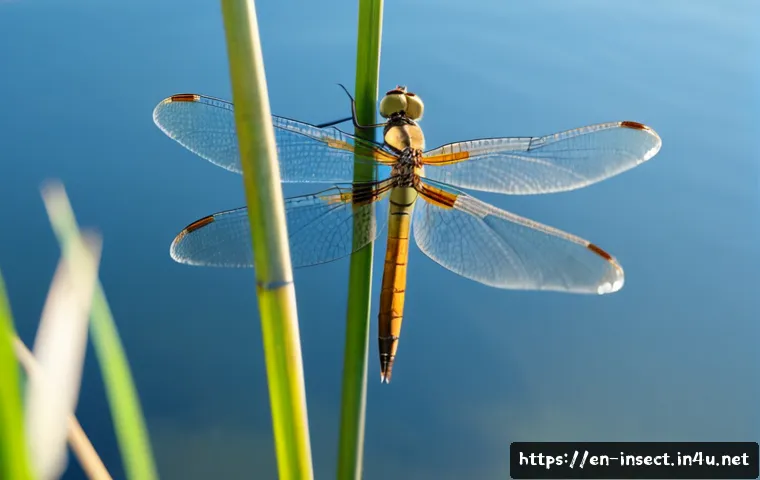
Insect wings are easiest to recognize by their texture, transparency, and whether the front pair covers the rear pair. Clear veined wings, beetle wing covers, half-hardened bug wings, scaly moth wings, and fringed thrips wings each give a useful starting clue.
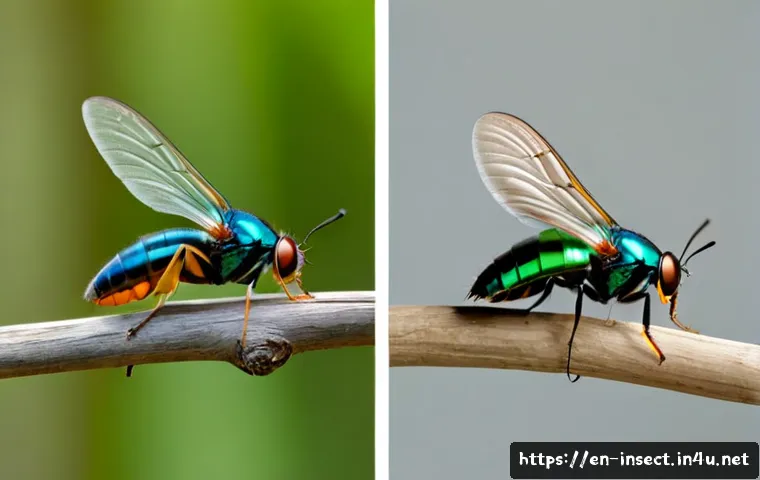
Most winged insects have two pairs attached to the thorax, but some have modified, reduced, or absent wings. For casual observation, a field guide is often enough; a hand lens or close-up photo becomes more useful when veins, scales, or wing edges are hard to see.
Do not rely on color alone, since damage, angle, sex, and life stage can change the apparent look of a wing. The best identification approach combines wing features with body shape and where the insect is resting.
At a Glance
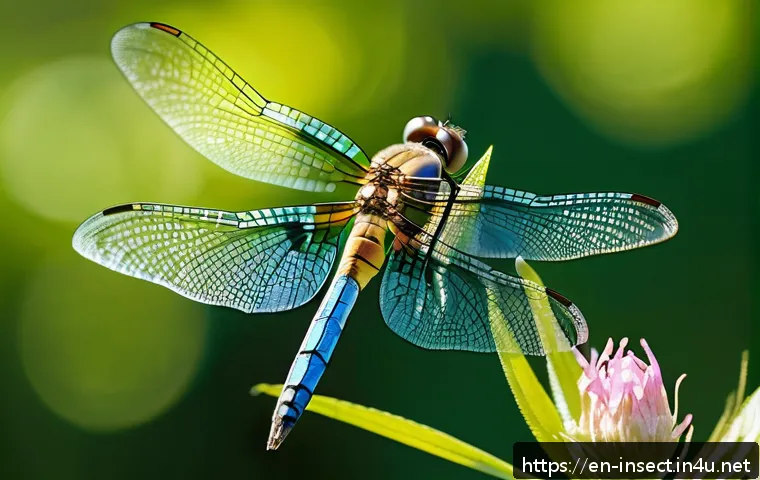
- Clear, thin wings with visible veins are membranous wings, common in dragonflies, bees, and flies.
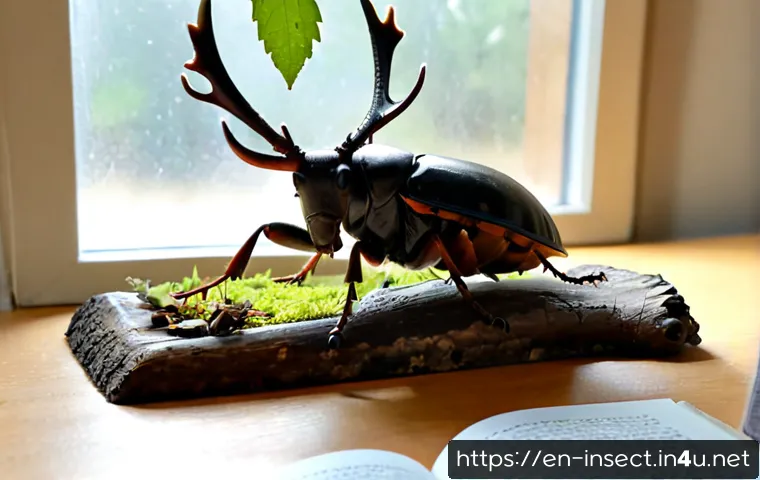
- Hard front covers usually point to beetles; these covers are called elytra and protect folded hindwings.
- Texture matters more than color: look for leathery, scaly, fringed, or partly membranous surfaces.
| Wing form | Texture and appearance | Common insect groups | Main function | Helpful observation method |
|---|---|---|---|---|
| Membranous wings | Thin, often transparent, with veins | Dragonflies, bees, flies | Flight | Close-up photo or basic field guide |
| Elytra | Hard forewing covers | Beetles | Protect folded hindwings | Field guide and a clear top view |
| Hemelytra | Thicker near the base, membranous near the tip | True bugs | Covering and flight | Hand lens or close-up photo |
| Tegmina | Leathery forewings | Grasshoppers, many cockroaches | Protect hindwings | Field guide and side view |
| Scaled or fringed wings | Fine scales or narrow hair-fringed edges | Butterflies, moths, thrips | Flight and visible patterning | Macro photography or hand lens |
The Fastest Way to Tell One Wing Form From Another
Look First at Texture, Transparency, and Whether the Front Wings Cover the Rear Pair
The quickest question is simple: do the front wings look like thin flying surfaces or protective covers? Thin, transparent wings with a visible vein network are membranous. In contrast, a beetle often appears to have a firm shell over its back because its forewings are hardened elytra.
True bugs need a closer look. Their forewings, called hemelytra, are thicker toward the base but become membranous toward the tip. Grasshoppers and many cockroaches have tegmina, which are leathery rather than fully hard. Butterflies and moths have wings covered in tiny scales, while thrips have narrow wings edged with long fringes of hairs.
Use Body Shape and Resting Position as Supporting Clues
Wing form works best when paired with the rest of the insect. A broad-backed insect with two hard-looking covers meeting along the back may be a beetle. An insect with one obvious functional wing pair may be a fly, even though its hindwings are present as small balancing organs called halteres.
Resting position can help, but it should not be your only clue. A wing may be partly hidden, damaged, folded, or viewed from an awkward angle. Try to observe the insect from above and from the side without moving or handling it.
The Main Wing Forms and the Insects That Use Them
Clear Membranous Wings
Membranous wings are thin and often transparent, with veins supporting the wing surface. Dragonflies, bees, and flies are examples of insects with membranous wings. The vein pattern can be useful in close inspection, but it may be difficult to see without a hand lens or a sharp close-up photograph.
Hardened Protective Covers in Beetles
Beetles have hardened forewings called elytra. These are actual modified wings, not merely a shell. Their key role is protecting the folded hindwings beneath them. When identifying a possible beetle, look for the paired covers over the back rather than assuming every hard-bodied insect is one.
Half-Hardened Wings in True Bugs
Many true bugs have hemelytra. The base of each forewing is thicker, while the outer portion is membranous. This mixed texture is a practical clue when distinguishing a true bug from a beetle with fully hardened elytra or a moth with scaled wings.
Leathery Covers, Scales, Fringes, and Balancing Organs
Grasshoppers and many cockroaches have leathery forewings called tegmina. These help protect the hindwings. Butterflies and moths have scaled wings, and those tiny scales produce the colors and patterns observers often notice first.
Thrips are especially easy to miss because their wings are narrow and fringed with long hairs. Flies are also distinctive: they have one functional pair of wings, while their hindwings are modified into halteres that assist with balance during flight.
Compare Wing Texture, Function, and Identification Value
Which Features Are Reliable for a Quick Field Identification
For a fast first pass, prioritize texture, wing placement, and coverage. Ask whether the wings are clear, hard, partly hard, leathery, scaly, or fringed. Then check whether the front pair covers another pair beneath it. These features are often more useful than a pattern or body color seen at a distance.
A practical field sequence is: inspect the back, notice the wing texture, check whether there is one functional pair or two apparent pairs, and then compare the body shape with an insect field guide. This approach can narrow down a broad group before attempting a more exact name.
Why Wing Color Alone Can Be Misleading
Wing color is visually appealing but not always dependable. Light direction, viewing angle, damage, and life stage can alter what you see. Sex can also affect appearance. A missing patch of scales on a moth wing, for example, may make the surface look different from an undamaged wing.
Wing appearance alone may not identify an insect to species level. Use color as a supporting detail after you have checked structure and texture.
Observation Methods and Common Identification Mistakes
When to Use a Field Guide, Hand Lens, or Close-Up Photo
A field guide is useful when the insect is large enough to compare by overall body shape and broad wing type. An identification app may help organize observations or offer possibilities, but any suggested result should be checked against visible features.

A hand lens adds value when you need to inspect veins, the transition from thick to membranous sections, or fringed wing edges. A macro photography setup is helpful when an insect will not stay still long enough for inspection. A clear photo from above and another from the side can preserve details for later comparison.
Avoid Handling Insects Just to Inspect Their Wings
Do not handle an insect only to get a better wing view. Wings can be delicate, and scales or other surface details may be disturbed. Instead, observe patiently, use available light, and photograph from a respectful distance when possible.
A common mistake is calling beetle elytra “shells” and then overlooking their role as modified forewings. Another is confusing visible wing veins with markings on the body. Focus on where the feature begins: veins are part of the wing surface, while body markings remain on the thorax or abdomen.
Tips for Gardens, Homes, Ponds, and Nighttime Encounters
Common Wing Clues in Different Observation Settings
In gardens, look for clear membranous wings on bees and for leathery forewings on grasshoppers. Around ponds, transparent veined wings may be especially noticeable on dragonflies. At night, moth wings may show scales and patterns, but low light can make color unreliable.
Inside homes, do not assume that an insect with no visible wings is wingless. Its wings may be folded, shortened, reduced, or simply hidden by the viewing angle. Look at the thorax and back carefully before drawing a conclusion.
How to Document an Insect Without Disturbing It
Take a photo that shows the full insect, then try for a second image focused on the wings. Record the setting, such as garden, pond edge, or indoor window area. These notes can make a field guide or identification app comparison more useful later.
Choosing an Identification Tool and Comparison Summary
Best Options for Casual Observers, Students, and Hobby Photographers
Choose the tool based on what you can actually see. A field guide suits broad comparisons and learning the main wing forms. A hand lens is useful for small structural details. An identification app can be convenient for organizing a photo-based observation, while macro photography equipment is most useful when fine wing texture needs to be reviewed later.
Casual observer: start with a field guide and a clear photo. Student: add a hand lens to inspect veins and texture. Hobby photographer: prioritize a macro lens option or close-focus camera setup for scales, fringes, and small wing structures.
A Final Checklist Before Naming an Insect
Check these points before settling on an identification:
- Is the wing surface clear, hard, leathery, scaly, or fringed?
- Do the front wings cover folded hindwings?
- Is the forewing fully hardened or only thickened near the base?
- Does the insect appear to have one functional wing pair?
- Can body shape and the observation setting support the wing clue?
For tool features, close-focus capability, and image-detail options, check the relevant product or official information page before choosing.
Closing Thoughts
Insect wing types become easier to recognize once you stop treating all wings as the same feature. Start with texture and structure, then use body shape and resting posture as supporting evidence. A hard beetle cover, a partly membranous true bug wing, or a fringed thrips wing can narrow the possibilities quickly. For a more exact identification, keep clear photographs and compare more than one visible feature.
Useful Things to Know
Most winged insects have two pairs of wings, but there are important exceptions. Flies have one functional pair, with halteres serving as modified hindwings for balance. Some insects or individuals may have shortened, reduced, or absent wings. This is why “I cannot see wings” is not enough to identify an insect group.
Important Notes
Wing traits are useful for broad identification, but they may not be enough to confirm a species. Color, damage, sex, life stage, and viewing angle can change the visible appearance. Confirm uncertain observations with multiple traits rather than relying on one photo or one wing detail.
Frequently Asked Questions
Q1. What is the easiest wing feature to use when identifying an insect?
A1. Start with texture. Clear, veined wings suggest membranous wings; hard covers suggest beetle elytra; mixed thick-and-thin forewings suggest hemelytra; and scaly or fringed edges point toward other groups.
Q2. Are beetle wing covers actual wings or just a shell?
A2. Beetle wing covers are actual modified forewings called elytra. They protect the folded hindwings beneath them.
Q3. Is a field guide, identification app, or macro lens best for examining insect wings?
A3. A field guide is a good starting point for major wing forms. Use a hand lens or close-up photo when veins, scales, fringes, or partly membranous sections need closer inspection. An identification app can be useful for comparison, but its suggestions should be checked against visible structural features.