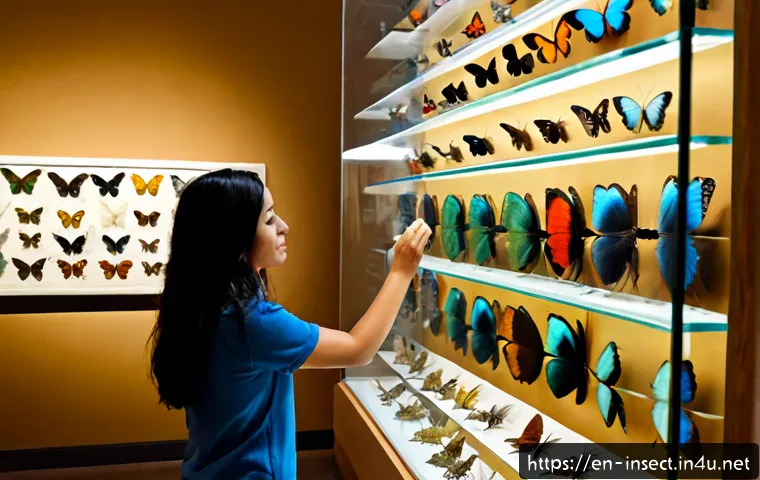
The best insect exhibition is the one that matches your group’s interests, ticket needs, and comfort level—not simply the one with the most dramatic display.
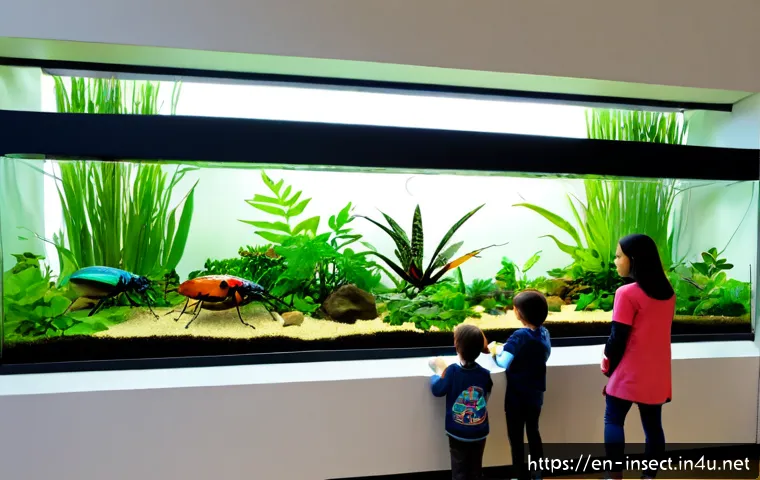
Before buying tickets, confirm the dates, entry rules, exhibit format, and whether live insects or special activities are actually included. Families may value children’s activities and stroller access, while educators may prioritize guided programs and learning resources.
Hobbyists and photographers should pay close attention to photography policies, lighting, and live-display access. Comparing general admission, special-exhibition entry, memberships, and guided options can prevent paying for extras your group will not use.
A few minutes spent reviewing official visitor policies can make the day much smoother.
At a Glance
- Confirm the venue, exhibition dates, and timed-entry rules before making travel plans.
- Check whether admission includes live habitats, preserved specimens, interactive displays, or children’s activities.
- Compare ticket options with accessibility, group needs, and possible add-ons before paying for an upgrade.
| Option | May Be a Good Fit For | What to Check Before Choosing |
|---|---|---|
| General admission | Visitors who also want to explore the main museum, zoo, garden, or science center | Whether the insect exhibition is included and whether a timed entry reservation is needed |
| Special-exhibition ticket | Visitors focused on a temporary insect display or a limited seasonal program | Separate entry conditions, exhibition access, and any date-specific restrictions |
| Membership | People planning repeat visits or regular visits to the host venue | Whether exhibition entry, advance booking, or member access applies to the program |
| Guided program or workshop | Educators, enthusiasts, and families seeking structured learning | Age guidance, booking requirements, group size, and whether the activity involves live animals |
What to Check Before Visiting an Insect Exhibition
Start with the practical details. Insect exhibitions may appear at a natural history museum, science center, botanical garden, zoo, university, or temporary event venue, and each setting can operate differently. A good-looking event listing is not enough; the official visitor information should confirm the exhibition dates, opening arrangements, and entry process.
Confirm the venue, exhibition dates, and whether entry is timed
Seasonal programming can affect opening dates, exhibit size, live species availability, and crowd levels. Some venues may use timed entry for general admission or for a special exhibition, so do not assume you can arrive at any hour. If you are coordinating family members, a class, or a long drive, verify the entry window before purchasing tickets.
Check whether the display features live insects, specimens, or both
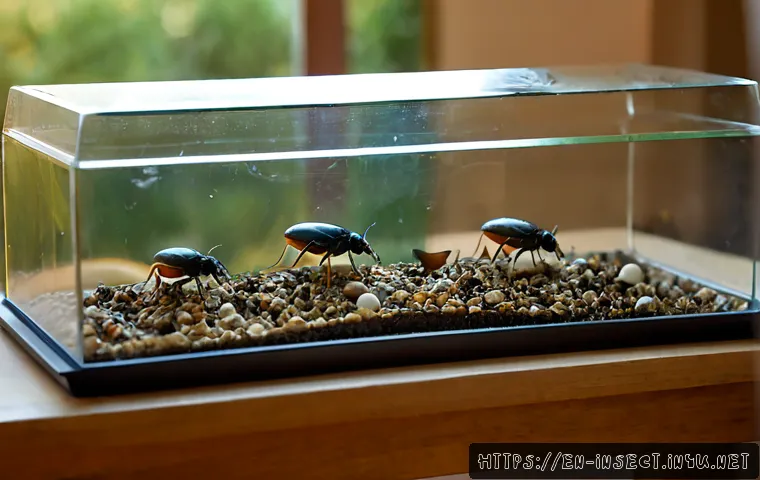
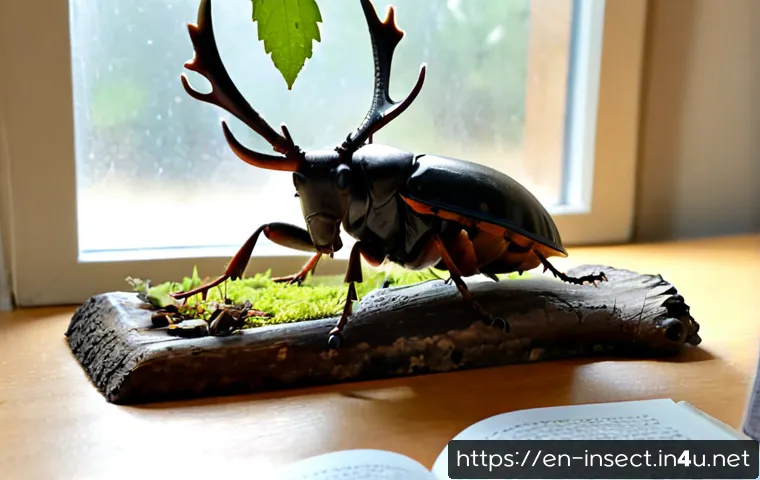
An insect exhibition can mean very different things. One may focus on preserved specimens and educational labels, while another may include live insect habitats, interactive displays, or a children’s activity area. If a live butterfly room, beetle habitat, or hands-on learning experience matters to your group, look for a direct statement from the venue rather than relying on promotional images.
Review age guidance, accessibility, and venue rules
Before booking, review stroller access, mobility access, sensory conditions, and live-animal handling rules. These details can matter more than the ticket type for a comfortable visit. Photography policies may also vary, especially around live displays or temporary installations. Families should check age guidance for activities, while visitors with sensory concerns should ask about warm, humid, dark, or crowded spaces.
Compare Ticket Types and Decide What Offers the Best Value
The best ticket value depends on what is included and how you plan to use the venue. A lower-cost entry option is not always the better choice if it excludes the exhibition you came to see. On the other hand, a premium ticket or museum membership may not add value for a one-time, short visit.
General admission versus special-exhibition entry
First, determine whether the insect exhibition is included with general admission or requires a separate ticket or special-exhibition upgrade. General admission can make sense when you want to explore permanent galleries, gardens, animal areas, or other attractions during the same visit. A special ticket may be more relevant when the insect display is temporary, capacity-controlled, or presented as a separate experience.
When a membership may be worth considering
A membership is worth comparing only if repeat visits are realistic for your household or group. Check whether it covers standard admission, special exhibitions, or any booking privileges. Do not assume that membership automatically includes every temporary exhibit, guided tour, or ticketed activity. The useful comparison is simple: consider how often you expect to visit and what access the membership actually provides.
Guided tours, workshops, and paid encounters: when the upgrade makes sense
A guided program can add value when your group wants structure, discussion, or a more focused educational activity. This can be especially useful for school groups, curious children, and insect enthusiasts who want more than a quick walk-through. Before selecting a paid encounter or workshop, confirm the format, age guidance, handling rules, and whether live insects are involved. An upgrade should match a clear interest, not just a vague promise of a “premium” experience.
Plan a Smooth Visit and Avoid Common Mistakes
Most planning problems come from overlooking policies rather than choosing the wrong exhibition. Build the visit around confirmed logistics, especially if your group has a fixed arrival time, young children, mobility needs, or a tight schedule.
Book ahead when capacity or timed entry may apply
If a venue uses reservations or timed entry, book only after confirming the correct ticket category. Keep the entry time handy and allow room for transit, parking, check-in, and finding the exhibition inside a larger venue. Visitors sometimes assume a general museum ticket guarantees access to a special display; the official ticket description should settle that question.
Check parking, public transit, food options, and visit duration
Parking availability, public transit access, food service, and visit duration can vary by venue. These are worth checking before you commit to a ticket time, particularly for families and school groups. If the insect exhibition is only one part of a larger attraction, decide whether your group wants a short, focused visit or time to explore the full site.
Prepare for warm, humid, dark, or crowded exhibit spaces
Live habitats and immersive displays may feel different from a standard gallery. Some spaces can be warm, humid, dimly lit, or busy during popular periods. Comfortable clothing, realistic expectations, and a quick review of venue guidance can help visitors who are sensitive to crowds, lighting, temperature, or close viewing areas.
Choose the Right Experience for Your Group
The right insect exhibition is not identical for every visitor. Use your group’s priorities to narrow the options before comparing ticket packages or paid educational activities.
Tips for families with young children
Families should look for a clear mix of visual displays, child-friendly educational activities, and manageable access. Check whether strollers are permitted, whether there are age-specific programs, and whether live-animal rules limit participation. If your child is unsure around insects, a specimen-based exhibit may feel more comfortable than a close live encounter.
Considerations for school groups and educators
Educators may get more value from a venue that offers guided programs, structured learning opportunities, or space for a group to move through the exhibition smoothly. Confirm group booking procedures, timed-entry conditions, and activity requirements early. It is also sensible to ask whether the exhibition format supports your lesson goals: taxonomy, habitats, insect life cycles, pollinators, or observation skills may not all be covered in the same way.
What hobbyists and photographers should confirm in advance
Hobbyists may care most about species variety, live habitats, specimen collections, or expert-led programming. Photographers should verify the photography policy, including any restrictions on flash, tripods, commercial-looking equipment, or photographing live animals. Low light, reflective cases, and crowded pathways can affect the experience, so do not plan around images the venue may not permit.
Selection Criteria and Comparison Summary
Before purchasing, compare these points: what the ticket includes, whether entry is timed, whether the exhibition has live insects or specimens, which activities require separate booking, accessibility conditions, and venue rules. Then consider convenience: travel time, parking or transit, your likely visit duration, and whether your group will use the broader venue. A membership or guided program can be useful when it fits a real repeat-visit or learning plan, not simply because it sounds more comprehensive. Compare official ticket options and visitor policies on the host venue’s event page before choosing a premium option.
In Closing
An insect exhibition can be a memorable family attraction, educational outing, or focused hobby visit when expectations match the actual program. The key is to confirm what is included rather than assuming every exhibition offers live habitats, hands-on activities, or flexible entry. Review the official details before paying, especially for temporary events and ticket upgrades. That small step helps you choose an experience that fits your group and your schedule.
Useful Things to Know
Temporary programs can change: Seasonal schedules may affect display size, live species availability, and crowd levels.
Rules are venue-specific: Admission, timed-entry, photography, accessibility, and handling policies should be checked directly with the host location.
“Insect exhibition” covers many formats: It may include preserved specimens, live habitats, interactive stations, guided activities, or only some of these elements.
Important Notes
Exact dates, locations, prices, availability, parking costs, refund policies, and current accommodations depend on the individual venue and are not universal. The presence of live insects, guided tours, hands-on encounters, and food options should also be verified before booking. Visitors with allergy concerns, sensory sensitivities, or concerns about live animals should review venue guidance and decide what is appropriate for their own group.
Frequently Asked Questions
Q1. Are insect exhibitions suitable for young children?
A1. They can be suitable, especially when a venue provides child-focused displays or educational activities. Check age guidance, stroller access, sensory conditions, and rules for any live-animal interaction before you go.
Q2. Is it better to buy a special-exhibition ticket or general museum admission?
A2. It depends on what is included. Choose general admission when the insect exhibition is included and you want to explore the wider venue. Consider a special-exhibition ticket when the display requires separate entry or is the main reason for your visit. Compare the official ticket descriptions before purchasing.
Q3. What should I check before booking an insect exhibition with live insects?
A3. Confirm that live insects are currently part of the exhibition, then review timed-entry rules, handling policies, age guidance, photography restrictions, accessibility details, and any conditions that may affect visitors with sensory sensitivities or concerns about live animals.