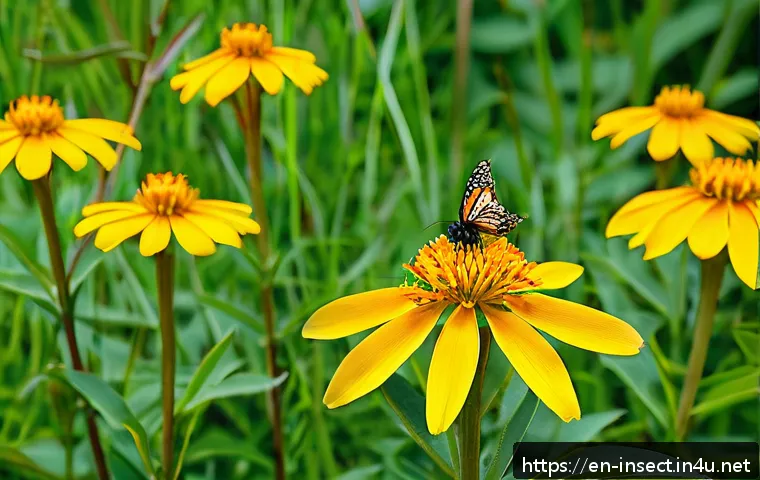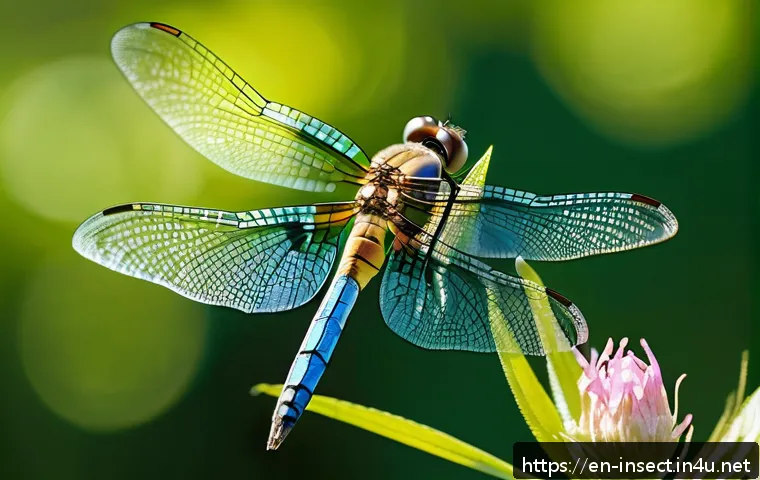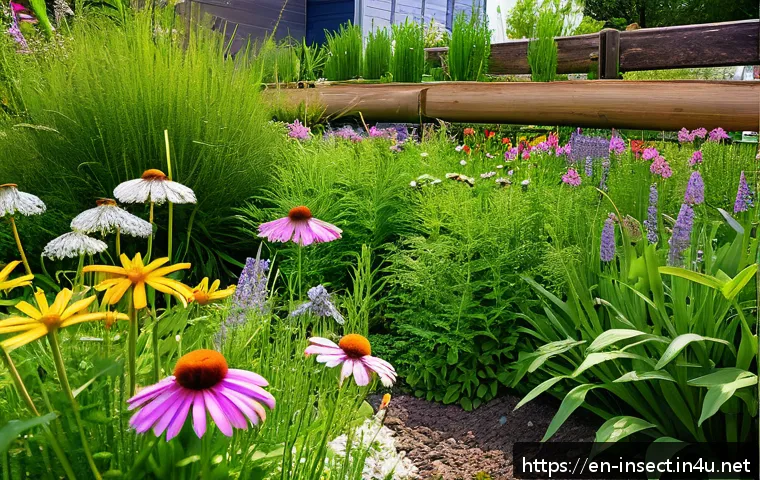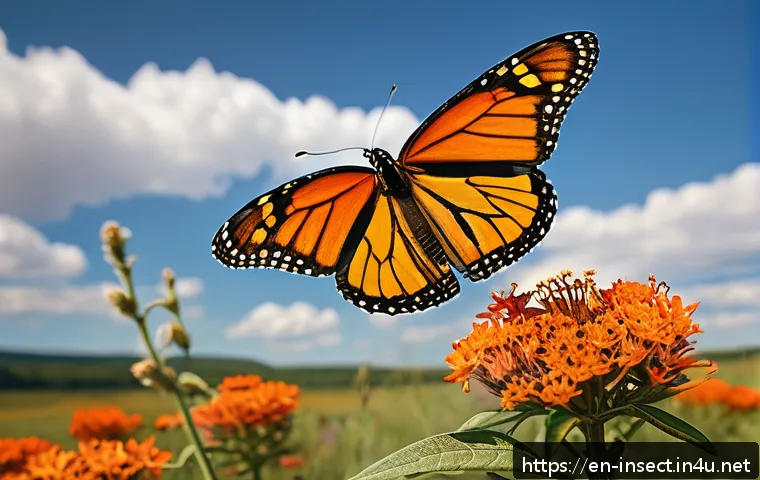
Hey there, fellow nature enthusiasts and curious minds! I don’t know about you, but lately, I’ve been feeling a knot in my stomach. Remember those carefree summer drives where your windshield was practically a canvas of buzzing life?
Or the vibrant hum around a blossoming garden? If you’re like me, you’ve probably noticed a stark difference. It’s not just your imagination playing tricks; our world’s most diligent, tiny workers – the insects – are vanishing at an alarming speed, and trust me, this isn’t just an abstract ecological concern.
This is a profound, unfolding crisis impacting every facet of our lives, from the food on our plates to the very stability of our planet. I’ve spent countless hours digging into this silent exodus, and what I’ve uncovered is truly unsettling, a wake-up call we simply cannot ignore.
We absolutely need to understand the complex web of reasons behind this dramatic decline before the implications become irreversible. So, let’s dive into the fascinating, albeit sobering, details right now!
The Unseen Architects of Our World: Why They’re Fading Away
The Silent Spring’s Echo: The Pervasive Reach of Pesticides
I remember my grandparents’ farm back in Ohio, a place teeming with life. Now, when I visit, it’s a different story. The air doesn’t hum with as many bees, and the fields, while green, feel eerily quiet.
It truly hit me then how much we rely on these tiny creatures, and how much our modern farming practices, particularly pesticide use, are disrupting that delicate balance.
For years, we’ve been spraying chemicals to protect our crops, thinking we were just targeting the “bad” bugs. But what we’ve inadvertently done is create a broad-spectrum catastrophe, wiping out beneficial insects right alongside the pests.
It’s like trying to fix a leaky faucet with a sledgehammer; the collateral damage is immense and far-reaching. I’ve read countless studies and heard from farmers struggling to find solutions, and the consensus is clear: these potent chemicals are a primary driver of the insect apocalypse.
Neonicotinoids: A Buzzkill for Pollinators
If there’s one group of pesticides that sends a shiver down my spine, it’s neonicotinoids. These aren’t just sprayed on the surface; they’re often coated onto seeds, meaning the chemical is absorbed by the plant and becomes present in its pollen and nectar.
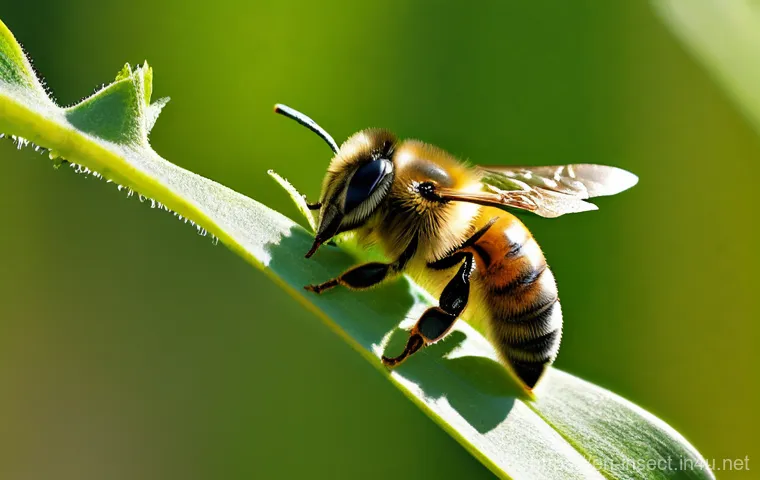
Imagine a bee, diligently collecting nectar, unknowingly consuming a neurotoxin that disorients it, weakens its immune system, and ultimately contributes to colony collapse.
It’s a slow, insidious poisoning that affects not just bees, but butterflies and other crucial pollinators. I’ve seen firsthand the confusion in a bee struggling to find its way back to the hive, and knowing that we, as humans, are largely responsible for that confusion is heartbreaking.
This isn’t just about losing honey; it’s about losing the very foundation of our food system. The long-term effects on entire ecosystems are still unfolding, but the early signs are incredibly alarming.
The Cumulative Effect: A Toxic Cocktail
It’s rarely just one thing, is it? When we talk about pesticides, it’s not always a single application of one chemical. Many agricultural landscapes are exposed to a “toxic cocktail” of multiple pesticides, herbicides, and fungicides throughout the growing season.
Each chemical might have its own mode of action, but when combined, their effects can be synergistic and far more damaging than any single compound alone.
Researchers are only just beginning to unravel the complex interactions, but what we’re learning is that this constant barrage of chemicals stresses insect populations to their breaking point.
It weakens their natural defenses, making them more susceptible to diseases and less resilient to other environmental pressures. I often think about how overwhelming it must be for these small beings, living in an environment that’s constantly being bombarded with substances designed to kill.
It’s a grim reality that we absolutely need to address.
Our Changing Landscapes: Habitat Loss and Fragmentation
Paving Paradise: Urban Sprawl and Agriculture
Have you ever driven through a newly developed area and noticed how much natural landscape has been replaced by concrete and manicured lawns? Or flown over vast expanses of monoculture crops stretching to the horizon?
This, my friends, is habitat loss in action, and it’s one of the biggest threats to our insect populations. As humans, our footprint is expanding relentlessly.
We’re building more homes, more roads, more shopping centers, and converting more wild spaces into agricultural land. Every time a meadow is plowed under, or a forest is cleared, countless insect homes are destroyed.
It’s not just about the big, charismatic animals; it’s about the ladybugs, the grasshoppers, the beetles that form the base of our ecosystems. I often walk through local parks and try to spot different insect species, and it’s striking how much harder it is to find variety in highly developed areas compared to even small, wilder patches.
This constant push for development, while seemingly necessary, often overlooks the immense cost to the natural world.
Monoculture Mayhem: Food Deserts for Insects
Think about a diverse, vibrant meadow, bursting with wildflowers and different types of grasses. That’s a buffet for insects, offering a variety of food sources and shelter.
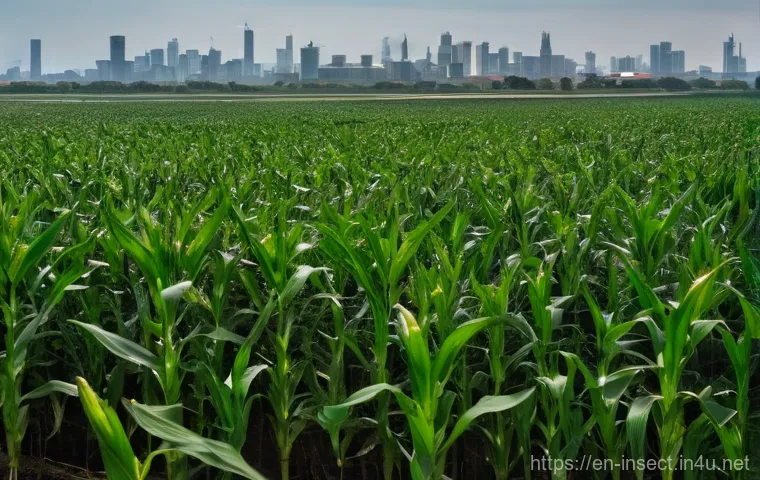
Now, picture a massive field of a single crop – corn, soy, or wheat – stretching for miles. While it might look green, for many insects, it’s essentially a food desert.
Monoculture agriculture, the practice of growing a single crop repeatedly on the same land, drastically reduces biodiversity. It offers only one type of food, or often none at all for many species, and lacks the structural complexity that insects need for shelter, breeding, and protection from predators.
I’ve heard beekeepers lamenting the lack of diverse forage for their bees when surrounded by these vast, uniform fields. It’s a cruel irony that the very systems designed to feed us are simultaneously starving the creatures that help our food grow.
This simplification of ecosystems makes insects incredibly vulnerable to disease and further decline.
Lost Connections: Fragmentation’s Isolating Grip
Even when habitats aren’t completely destroyed, they’re often broken up into smaller, isolated patches. This phenomenon, known as habitat fragmentation, creates ‘islands’ of suitable living space separated by inhospitable areas like roads, cities, or barren fields.
For insects, especially those that can’t fly long distances, these fragments become traps. They can’t easily move between patches to find mates, access new food sources, or escape local disturbances.
This isolation leads to reduced genetic diversity, making populations weaker and more susceptible to extinction. I’ve often thought about how a small patch of wildflowers in a city park, while lovely, is an isolated haven.
It’s disconnected from other similar patches, making it harder for insect populations to thrive and expand. It’s like being stuck in a small room with limited resources, unable to ever reach the abundant pantry just next door.
We need to think about connectivity, about creating green corridors that allow these tiny travelers to move safely through our human-dominated world.
The Climate Conundrum: When Seasons Go Haywire
Shifting Schedules: Phenological Mismatches
Our planet’s climate is changing, and insects, with their finely tuned life cycles, are among the first to feel the impact. One of the most insidious effects is what scientists call “phenological mismatch.” Essentially, it means that the timing of crucial biological events – like when a plant flowers or an insect emerges from its pupa – is getting out of sync.
Imagine a caterpillar that needs to hatch precisely when its preferred host plant is producing its most nutritious leaves. If warming temperatures cause the plant to leaf out earlier, but the caterpillar’s emergence isn’t similarly accelerated, it might hatch to find tough, less palatable leaves, or even no leaves at all.
I’ve personally observed butterflies appearing earlier in the spring in my own backyard, sometimes before their specific nectar sources are fully available.
This disruption in timing can lead to widespread starvation and reproductive failure, a silent killer that we often don’t even perceive happening. It’s like a grand, natural symphony where the musicians are suddenly playing at different tempos.
Extreme Weather Events: A Deadly Punch
Beyond gradual warming, climate change is also bringing more frequent and intense extreme weather events. We’re talking about devastating heatwaves, prolonged droughts, super-strong storms, and unseasonal cold snaps.
For tiny, vulnerable insects, these events can be catastrophic. A sudden, unexpected cold snap after an early warm spell can kill off entire generations of insects that have emerged prematurely.
Intense droughts can eliminate their food sources and breeding grounds, while massive floods can simply wash them away. I remember last year’s unusually long heatwave here in California, and how few insects I saw during that period.
It felt like the air itself was too harsh for them. These events don’t just kill individuals; they can decimate entire populations, pushing already struggling species closer to the brink.
It’s a relentless one-two punch: subtle shifts and then sudden, violent blows that insects are ill-equipped to handle.
Range Shifts: Nowhere Left to Go
As temperatures rise, many insect species are attempting to move their geographical ranges, seeking cooler climates at higher latitudes or altitudes. While this might sound like a natural adaptation, it’s fraught with challenges.
First, their food plants or host animals might not be shifting at the same rate, leading to further phenological mismatches. Second, their migration routes might be blocked by urban areas, agricultural lands, or other man-made barriers.
Third, for species already at the top of mountains or in polar regions, there’s simply nowhere left to go – they’re at the “end of the road.” I’ve been fascinated by stories of certain butterfly species trying to expand their ranges northward, only to find unsuitable habitats or be outcompeted by existing species.
It paints a picture of a desperate scramble for survival in a rapidly changing world. The idea of insects literally running out of space to exist due to our altered climate is a sobering thought.
Invasive Invaders: A New Kind of Predator
Competition for Resources: The Native Underdog
It’s not just what we’re doing to habitats; it’s also what we’re *introducing* to them. Invasive species, whether accidentally or intentionally brought to new regions, pose a massive threat to native insect populations.
These invaders often have no natural predators in their new environment and can outcompete native species for essential resources like food, shelter, and breeding sites.
I’ve seen firsthand how aggressive species like the Asian lady beetle have displaced our native ladybugs, which are vital for natural pest control. It’s heartbreaking to see the familiar native species struggle against these foreign adversaries.
These non-native insects can be incredibly adaptable and prolific, quickly dominating ecosystems and leaving little room for the native fauna that have evolved over millennia to fit into a specific niche.
This disruption of the natural competitive balance is a silent epidemic, often going unnoticed until it’s too late.
New Predators and Pathogens: Unprepared Defenses
The introduction of invasive species isn’t just about competition; it also brings new predators and pathogens that native insects have no natural defenses against.
Imagine a new type of parasitic fly or a fungal disease arriving from another continent, suddenly exposed to a population that has never encountered it before.
Our native insects haven’t evolved the immunological defenses or behavioral strategies to cope with these novel threats. A classic example is the devastating impact of the varroa mite on honeybee populations worldwide.
Though not an insect itself, it’s an invasive parasite that has wreaked havoc on managed and wild bee colonies, largely because our native bees were unprepared for such a potent threat.
I think about how fragile life is, and how easily these intricate webs can be unraveled by a single foreign element. It’s a stark reminder that globalization, while connecting us, also carries significant ecological risks.
| Impact Factor | Description of Threat to Insects | Common Insect Groups Affected |
|---|---|---|
| Pesticide Use | Direct poisoning, disruption of nervous systems, reduced immunity, loss of food sources from herbicide use. | Pollinators (bees, butterflies), aquatic insects, beneficial predators (ladybugs, lacewings). |
| Habitat Loss & Fragmentation | Destruction of breeding grounds, food sources, and shelter; isolation of populations. | Specialist feeders, ground beetles, grasshoppers, many butterfly species. |
| Climate Change | Phenological mismatches, extreme weather events (droughts, floods, heatwaves), range shifts. | Migratory insects (monarchs), temperature-sensitive species (dragonflies), species with short life cycles. |
| Invasive Species | Competition for resources, introduction of new predators, parasites, and diseases. | Native bees, native ladybugs, aquatic insects, local butterfly species. |
| Light Pollution | Disruption of nocturnal behaviors (mating, navigation, foraging), increased predation risk. | Moths, fireflies, nocturnal beetles. |
Lights Out: The Hidden Toll of Light Pollution
Disrupted Rhythms: Mating, Migration, and More
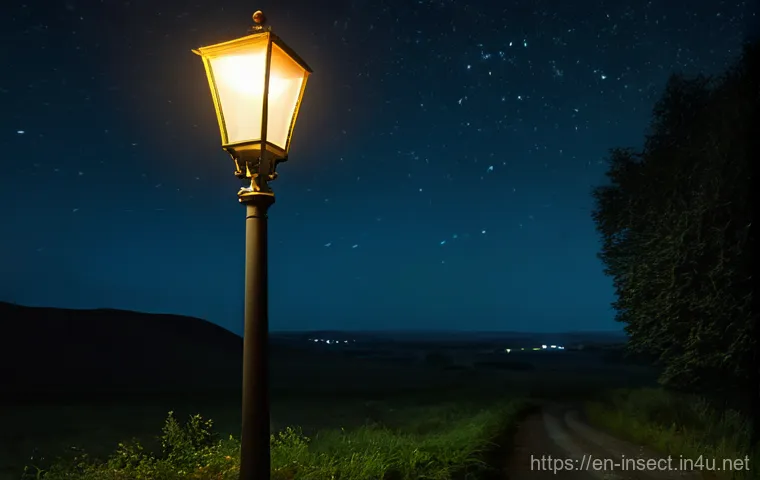
This might sound surprising, but artificial light at night is a growing problem for insects, especially those that are nocturnal. Think about it: many insects use natural light cues – the moon, stars, twilight – for navigation, finding mates, and even knowing when to emerge or hibernate.
When our cities and towns are bathed in artificial light, these delicate rhythms are completely thrown off. Moths, for instance, are notoriously drawn to artificial lights, often spiraling around them until exhaustion, becoming easy prey, or missing crucial mating opportunities.
I’ve often seen moths fluttering aimlessly around my porch light and wondered how many missed out on finding a mate or finding the food they needed for the night.
This isn’t just a minor inconvenience for them; it’s a profound disruption to their entire life cycle. It affects their ability to forage, escape predators, and ultimately, to reproduce.
We’re essentially changing their night sky, and they don’t know how to cope.
Fatal Attraction: The Irresistible Lure
The “fatal attraction” of artificial lights is a truly compelling, and heartbreaking, phenomenon. For many nocturnal insects, especially moths, light is an irresistible draw, often leading them to their demise.
They become trapped in the glow, unable to navigate away, endlessly circling or resting on light fixtures. This prolonged exposure can lead to exhaustion, starvation, or increased vulnerability to predators like bats and birds.
Imagine being drawn to something that ultimately harms you, unable to resist its pull. It’s a tragic metaphor for what we’re doing to these creatures.
I remember being on a camping trip far from city lights, and the sheer number of insects I saw at night was astounding compared to what I witness in my suburban backyard.
It really brings home how much light pollution impacts their populations. Furthermore, research has shown that different wavelengths of light have varying impacts, but the cumulative effect of widespread outdoor lighting is creating ecological traps across vast landscapes, silently contributing to their decline.
Diseases on the Rise: A Microscopic Menace
Stress and Susceptibility: A Weakened Immune System
Just like humans, insects can get sick. And just like us, when they’re stressed by other factors – like poor nutrition from habitat loss, exposure to pesticides, or erratic weather from climate change – their immune systems can become compromised.
A weakened insect is far more susceptible to diseases caused by viruses, bacteria, fungi, and parasites. It’s a vicious cycle: environmental stressors make them vulnerable, and then diseases sweep through, decimating populations that might have otherwise survived.
I often think about how intertwined everything is. You can’t just point to one cause; it’s a whole host of pressures pushing them down. When insects are barely hanging on due to one threat, another one, like a new pathogen, can deliver the final blow.
It’s truly a testament to their resilience that any of them are still thriving in some areas, given the gauntlet of challenges they face.
Human-Assisted Spread: Global Trade’s Dark Side
Unfortunately, we humans aren’t just weakening insects; we’re also inadvertently helping to spread their diseases around the globe. With increased global trade and travel, insects and their associated pathogens can hitchhike across continents, introducing new diseases to naive populations.
Think about the movement of plants, timber, or even ornamental fish. These can all carry unseen hitchhikers. A great example, though not strictly an insect disease, is the devastation caused by fungi like Dutch Elm Disease, which wiped out millions of elm trees, indirectly impacting insects that relied on them.
For insects, diseases like Nosema ceranae, a microsporidian parasite, have spread rapidly among honeybees, exacerbated by human movement of colonies. It’s like introducing a new flu strain to a population with no immunity.
I’ve read about cases where shipments of plants brought in new insect pests, but also new diseases that then jump to native insect populations. It’s a sobering reminder that our interconnected world has ecological downsides that we often don’t fully consider until it’s too late.
The Unseen Connections: A Web of Interdependencies Unraveling
The Cascade Effect: When One Link Breaks
It’s easy to think of individual insect species, but the reality is they exist within incredibly intricate food webs and ecosystems. Every insect has a role, whether it’s pollinating a specific plant, decomposing organic matter, or serving as food for other creatures.
When one species declines, it doesn’t happen in a vacuum; it creates a “cascade effect” throughout the entire ecosystem. If a particular pollinator disappears, the plants it pollinates might struggle to reproduce, impacting herbivores that feed on those plants, and so on.
If the insects that break down dead leaves vanish, nutrient cycling in the soil slows down, affecting plant growth. I’ve often thought about the domino effect – push one tiny domino, and an entire complex arrangement tumbles.
We often don’t fully understand the full extent of these interdependencies until it’s too late, and the damage is done. The more links we break in this biological chain, the more unstable the entire system becomes, threatening much larger animals, including us.
Ecosystem Services: The Unsung Heroes
This is where it gets real for us. Insects provide what we call “ecosystem services,” functions that are absolutely essential for human survival and wellbeing, yet we rarely acknowledge them.
Pollination, pest control, decomposition, soil aeration, nutrient cycling – these are all jobs performed largely by insects, and they’re worth billions of dollars to our global economy, even if they don’t send us an invoice.
Without insects, our coffee wouldn’t get pollinated, our chocolate wouldn’t exist, and many of our fruits and vegetables would simply vanish from grocery shelves.
Farmers would be battling pests without their natural allies, and our forests and fields would be choked with un-decomposed organic matter. I’ve been fascinated by the sheer scale of these services, something we completely take for granted.
It’s not just about saving cute butterflies; it’s about preserving the fundamental processes that keep our planet habitable and our food supply secure.
Their decline isn’t just an ecological tragedy; it’s an economic and existential crisis unfolding right before our eyes. We really need to pay attention, now more than ever.
Concluding Thoughts
Whew! Taking a deep dive into the world of insect decline can feel pretty overwhelming, right? When I first started researching this, I admit, I felt a knot in my stomach thinking about all the ways we’re inadvertently making things harder for these vital creatures. But honestly, dwelling on gloom isn’t what we’re about here. What truly resonated with me, and what I hope you take away, is that this isn’t some abstract, distant problem. It’s happening in our backyards, in our parks, and in the fields that feed us. Each factor we explored – from the ubiquitous use of pesticides to the relentless march of urban sprawl and the subtle shifts of climate change – paints a stark picture of a world losing its tiny, essential architects. But here’s the thing I truly believe: understanding the problem is the first, monumental step towards finding real solutions. It empowers us to make better choices, to advocate for change, and to really appreciate the unsung heroes buzzing, crawling, and flitting all around us.
Useful Information to Know
Here are some practical tips and insights I’ve picked up that you might find helpful as you navigate this complex topic and think about what you can do:
1. Rethink Your Lawn: Those perfectly manicured, emerald green lawns are often ecological deserts. Consider planting native wildflowers, creating a “no-mow” section, or even a small pollinator garden. I started with just a small patch of native milkweed, and it’s been incredible to watch the monarch butterflies flock to it!
2. Be a Savvy Consumer: When you’re at the grocery store, look for organic produce or products from farms that prioritize sustainable, pesticide-free practices. Your purchasing power truly makes a difference in supporting healthier farming methods. I’ve personally found that supporting local farmers’ markets often gives me a chance to ask directly about their growing practices.
3. Turn Down the Lights at Night: For those of us with outdoor lighting, consider using downward-facing, motion-activated lights, or switching to amber-colored bulbs, which are less disruptive to nocturnal insects. Even turning off porch lights when you’re not using them makes a difference. I’ve found it creates such a more peaceful evening atmosphere, too.
4. Educate and Advocate: Share what you’ve learned! Talk to friends, family, and local community groups about the importance of insects. Support organizations dedicated to insect conservation and environmental protection. There are so many passionate people doing amazing work, and they need our voices.
5. Create Small Habitats: Even a window box with some bee-friendly flowers or a small log pile for beetles can provide much-needed shelter and food. Think of it as creating miniature sanctuaries. I love seeing what unexpected visitors show up in my tiny balcony garden, proving every little bit truly counts.
Key Takeaways
If you’re wondering what the absolute must-remember points are from our chat today, here they are: First, pesticides, particularly neonicotinoids, are wreaking silent havoc on insect populations, poisoning them directly and indirectly. Second, our ever-expanding human footprint, through urban sprawl and monoculture farming, is decimating crucial habitats, turning vibrant ecosystems into barren landscapes for many insects. Third, climate change is throwing off the delicate timing of insect life cycles and unleashing extreme weather, making survival increasingly difficult. Fourth, invasive species are outcompeting natives and introducing new diseases that our local insects are ill-equipped to handle. Finally, light pollution, often overlooked, is subtly but significantly disrupting nocturnal insect behaviors, leading to exhaustion and increased vulnerability. What this all boils down to is that insect decline isn’t a single issue, but a complex, interconnected crisis. It’s a stark reminder that our actions have profound, far-reaching consequences, and the fate of these tiny creatures is inextricably linked to our own. It’s a tough pill to swallow, but acknowledging it is our greatest strength in moving forward.
Frequently Asked Questions (FAQ) 📖
Q: So, what’s really behind this disturbing trend of vanishing insects? Is it just one big thing, or a whole tangle of problems?
A: Oh, if only it were one simple answer, right? Unfortunately, it’s more like a perfect storm of challenges, all hitting our tiny insect friends at once.
From what I’ve gathered and seen firsthand, the biggest culprits really boil down to a few key areas. First up, we’ve got habitat loss and degradation.
Think about it: where do insects live? Fields, forests, meadows, even our gardens. When we pave over green spaces for development, or convert diverse natural areas into vast monoculture farms, we’re essentially wiping out their homes and food sources.
It’s like demolishing an entire neighborhood without warning. Then there’s the chemical onslaught – pesticides and herbicides. I’ve heard so many stories, and honestly, using these broad-spectrum chemicals is like using a sledgehammer when you need a scalpel; they don’t just target the “pests,” they decimate everything in their path, including the beneficial bees and butterflies.
And let’s not forget climate change. Extreme weather, shifting seasons, and unpredictable temperatures mess with their delicate life cycles, affecting everything from when flowers bloom to when they can safely reproduce.
Invasive species are also playing a role, outcompeting native insects for resources. It’s a truly complex puzzle, and each piece contributes to this alarming decline.
Q: Okay, this sounds serious, but why should I personally be worried about a few less bugs flying around? What’s the real impact on my life?
A: That’s a totally fair question, and one I asked myself when I first started noticing the difference. It’s easy to dismiss bugs as just… bugs.
But honestly, the ripple effect on our lives is enormous, even if it’s not always obvious. Think about the food on your plate. A huge chunk of the fruits, vegetables, and even coffee we enjoy daily rely on insect pollination.
No insects, no strawberries, no almonds, no chocolate – seriously! It’s not just about what we eat, either. Insects are the cleanup crew of our planet, breaking down organic matter and keeping soil healthy.
Without them, our ecosystems would be drowning in waste. And don’t forget their role in the food chain. Birds, fish, small mammals – they all depend on insects for survival.
If the base of that food chain crumbles, the whole structure collapses, impacting wildlife we cherish. I’ve personally seen how a garden without buzzing bees feels eerily quiet, and it makes me wonder what other dominoes are falling that we can’t see yet.
This isn’t just an ecological problem; it’s a profound threat to our economy, our agriculture, and the very beauty and balance of the natural world we often take for granted.
Q: This is a lot to take in. Is there anything I can actually do, as an individual, to help turn this around? It feels so overwhelming!
A: I hear you, completely! It can feel incredibly overwhelming when you realize the scale of the problem. But absolutely, yes, there is a lot we can do, and every small action genuinely adds up.
I’ve found that focusing on what’s within my control really helps. One of the most impactful things? Rethink your garden or outdoor spaces.
Ditch the harsh pesticides and herbicides entirely – trust me, your plants will thank you, and so will the local insect community. Instead, try planting native flowers, shrubs, and trees.
These provide the specific food and shelter that local insects need to thrive. Even a small patch of wildflowers can be a lifeline! Another simple step is to reduce your lawn.
Lawns are essentially deserts for most insects. Consider letting a corner of your yard go a little wild, or create a ‘bug hotel’ from some logs and hollow stems.
Even supporting local farmers who practice sustainable, organic methods makes a huge difference. And honestly, just talking about it, sharing what you’ve learned with friends and family – that’s powerful.
The more awareness we build, the more collective action we can inspire. I truly believe that by making conscious choices in our own backyards and communities, we can help bring back some of that vibrant hum.