You know, sometimes the smallest things can have the biggest impact, and right now, our world’s incredible insect populations are facing monumental shifts.

It’s something I’ve personally noticed when spending time outdoors, seeing fewer buzzing bees and colorful butterflies than I used to. These tiny creatures, often overlooked, are actually the unsung heroes maintaining the delicate balance of our planet, from pollinating the food we eat to breaking down waste and enriching our soil.
But with global insect populations declining at an alarming rate, some studies suggest over 40% of insect species are facing extinction in the coming decades, largely due to habitat destruction, pesticide use, and climate change.
This isn’t just about losing a few bugs; it’s about the very foundation of our ecosystems trembling, potentially leading to catastrophic consequences for our food systems and the wider natural world.
So, what exactly is happening to their homes, and why should we all be paying closer attention? Let’s dive deeper and uncover the critical story of insect habitat changes and their far-reaching effects.
The Vanishing Green: Habitat Loss and Fragmentation
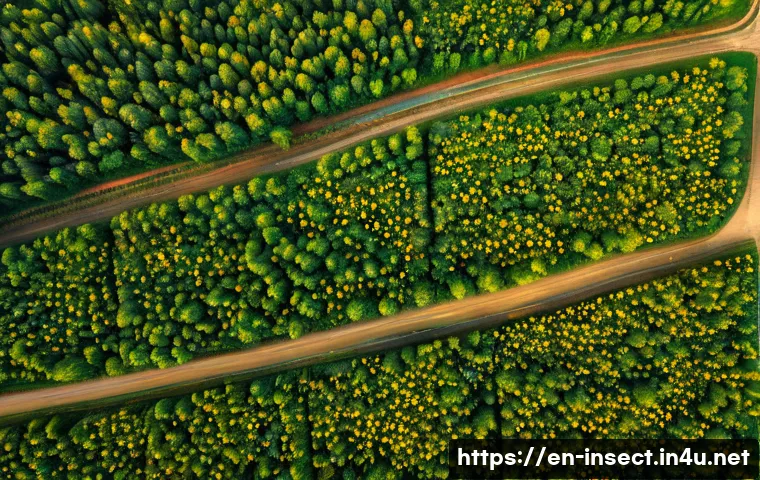
You know, it truly hits home when you see places you remember as vibrant with life now just… gone. I’m talking about the rampant habitat destruction that’s tearing apart the very fabric of insect life. It’s not just big, dramatic deforestation, though that’s certainly a massive part of it. We’re seeing it in smaller, insidious ways too, like agricultural expansion swallowing up meadows and hedgerows, or urban sprawl paving over wetlands and woodlands. These aren’t just empty spaces; they’re intricate ecosystems where countless insect species live, breed, and find food. When these areas are bulldozed or developed, it’s not just a loss of land; it’s a loss of entire generations, a complete severing of their life cycles. I remember exploring a beautiful wild patch near my grandparents’ home as a kid, teeming with ladybugs and grasshoppers. Now, it’s a parking lot. It makes you wonder how many other creatures lost their home with it. This kind of fragmentation, breaking up large natural areas into smaller, isolated pockets, is especially devastating. Insects, particularly those with specific habitat requirements, suddenly find themselves trapped in ecological islands, unable to migrate or find new mates, leading to genetic isolation and a decline in population resilience. It’s like asking someone to survive in a tiny apartment when they need an entire neighborhood to thrive. This constant chipping away at their homes is perhaps the most fundamental threat they face, undermining everything else.
Agricultural Monocultures and Their Impact
One of the biggest culprits here is the shift towards vast agricultural monocultures. Think about it: endless fields of a single crop, like corn or soy, stretching for miles. While efficient for food production, these environments are ecological deserts for most insects. They lack the diversity of plants that provide nectar, pollen, and shelter for a wide range of species. Many beneficial insects, like pollinators and natural pest predators, rely on a variety of flora throughout the season. When all they see is one type of plant, their food sources dwindle, their breeding grounds disappear, and they simply can’t survive. I’ve heard farmers lamenting the decline of native bees, and it’s not hard to see why when their traditional foraging grounds have been replaced by a uniform, often chemically-treated, landscape. It’s a lose-lose situation where we’re not only losing vital insect populations but also making our agricultural systems more fragile and dependent on external inputs.
Urbanization and Concrete Jungles
Then there’s the relentless march of urbanization. Every new housing development, every new shopping center, every new road means another piece of natural habitat is paved over. While cities can offer some green spaces, these are often manicured lawns and ornamental plants that don’t provide the complex ecosystems insects need. The concrete and asphalt also create heat islands, altering local microclimates in ways that can be detrimental to delicate insect species. I’ve often seen bees frantically searching for flowers in urban parks, a stark reminder of how challenging it is for them to find sustenance amidst the concrete. Even small urban gardens, while wonderful, are often isolated patches that can’t fully compensate for the loss of larger, interconnected natural areas. It’s a stark trade-off, and one where insects are consistently on the losing end.
The Silent Killers: Pesticides and Chemical Warfare
Let’s talk about something that truly gets under my skin: the widespread use of pesticides. It’s a contentious issue, I know, but the evidence is increasingly clear. These chemicals, designed to kill “pests,” are far from selective. They wreak havoc across entire insect populations, often wiping out beneficial species along with the targeted ones. Think about it: a farmer sprays a field to protect a crop, but that same spray drifts, contaminating nearby wild areas, affecting pollinators like bees and butterflies, and even beneficial predators that help keep pest populations in check naturally. It’s a domino effect that’s hard to stop once it starts. I’ve seen firsthand how a seemingly routine application can leave a landscape eerily silent, devoid of the usual buzz and hum. The scariest part, for me, is the persistence of some of these chemicals in the environment, leaching into waterways and soil, affecting insects and other wildlife long after the initial application. Neonicotinoids, for instance, are particularly concerning because they are systemic, meaning they are absorbed by the plant and present in its pollen and nectar, poisoning insects that feed on them. It’s a slow, insidious poisoning that we are only just beginning to fully understand, and it’s definitely contributing to the ‘insect apocalypse’ we keep hearing about. The ironic thing is, by eliminating beneficial insects, we often create a void that allows pest species to flourish, requiring even more pesticide use. It’s a vicious cycle.
Systemic Insecticides: A Hidden Threat
The rise of systemic insecticides like neonicotinoids has introduced a new, more insidious threat. Unlike older pesticides that primarily affected insects through direct contact, systemics are absorbed by the plant itself, making the entire plant, including its pollen and nectar, toxic to insects that feed on it. This means that even if a bee isn’t directly sprayed, it can still be exposed to lethal doses simply by foraging on treated plants. I remember reading about studies showing how even sub-lethal doses can impair bees’ navigation and memory, making it harder for them to find food and return to their hives. It’s a truly frightening prospect, knowing that a plant designed to provide life can inadvertently become a poison. This hidden contamination makes it incredibly difficult to manage and understand the full extent of the damage, as insects are being exposed in ways we can’t always see or anticipate. It’s like a silent killer, working from within the very food sources insects depend on for survival.
Herbicide Use and Plant Diversity
Beyond insecticides, the widespread use of herbicides also plays a significant, though often overlooked, role in insect decline. Herbicides, designed to kill “weeds,” eliminate the very plants that many insects rely on for food and shelter. Think about roadsides, field margins, and even urban parks where herbicides are used to maintain a neat, uniform appearance. While they might make an area look tidier to some, they strip away the diverse wildflowers and native plants that are crucial for insect survival. I’ve observed firsthand how a patch of wild clover, usually buzzing with bees, suddenly becomes barren after a herbicide treatment. This reduction in plant diversity directly translates to a reduction in food sources and habitat for herbivores, pollinators, and even predatory insects. When you remove the foundational plants from an ecosystem, you’re essentially pulling the rug out from under the entire insect community that depends on them.
A Changing Climate: Insects on the Move (or Not)
Alright, let’s talk about climate change, because it’s not just about polar bears and melting ice caps; it’s profoundly impacting our insect friends too. The subtle shifts in temperature, rainfall patterns, and even humidity are throwing everything out of whack for these delicate creatures. I’ve personally noticed how some insect species that used to be common in my area seem to be disappearing, while others I’ve never seen before are showing up. This is a direct consequence of climate change pushing species out of their traditional ranges. For some, it means they can no longer tolerate the warmer temperatures or altered precipitation patterns in their native habitats, forcing them to migrate to cooler, wetter climes. But here’s the catch: many insects are incredibly specialized. They might rely on a specific plant that isn’t found in their new, ‘suitable’ location, or they might not be able to move fast enough to keep up with the rapid changes. It’s a desperate race against time for many. For others, the timing of their life cycles, like hatching or mating, is being disrupted by unpredictable weather events, leading to a mismatch with crucial food sources or environmental cues. I’ve read about certain butterfly species emerging too early, before their host plants have bloomed, leading to widespread starvation. It’s a truly heartbreaking situation, watching these intricate natural cycles unravel right before our eyes. The sheer scale of these changes is immense, and for creatures as small and sensitive as insects, even a slight alteration can have catastrophic consequences for their survival.
Temperature Swings and Life Cycles
The erratic temperature swings we’re experiencing due to climate change are wreaking havoc on insect life cycles. Many insects have finely tuned internal clocks that tell them when to emerge from hibernation, when to mate, and when to lay eggs, all based on temperature cues. When these cues become unpredictable, it throws their entire reproductive strategy into disarray. Imagine a warm spell in late winter causing insects to emerge prematurely, only to be hit by a sudden cold snap. Or consider a prolonged drought impacting the availability of water-dependent plants, which are crucial food sources for many insect larvae. I’ve seen how a few unusually warm weeks in spring can lead to a boom in certain insect populations, followed by a crash when conditions revert to normal, indicating a complete disruption of their natural rhythm. This unpredictability makes it incredibly difficult for insect populations to maintain stable numbers, contributing significantly to their overall decline.
Extreme Weather Events
Beyond gradual shifts, the increasing frequency and intensity of extreme weather events are also devastating insect populations. Think about prolonged droughts that dry up ponds and wetlands, eliminating breeding grounds for dragonflies and mosquitoes. Or consider intense heatwaves that can literally cook insects in their habitats, especially those that can’t easily escape the heat. Then there are the torrential downpours and floods that can wash away entire colonies or drown developing larvae. I remember a particularly harsh storm season that seemed to decimate the local ant populations, with their mounds completely washed away. For tiny creatures, these extreme events are not just inconveniences; they are existential threats. Their small size makes them particularly vulnerable to the physical forces of extreme weather, and with fewer places to hide and escape, many simply don’t survive. It’s another layer of complexity to the already challenging puzzle of insect conservation.
Light Pollution: A Nocturnal Nightmare for Bugs
Here’s one that often gets overlooked, but it’s a silent killer for so many nocturnal insects: light pollution. You know, those bright streetlights, office buildings blazing all night, and even our backyard security lights. It might seem harmless to us, but for insects, it’s a profound disruption to their very existence. Many insects, like moths, rely on natural light cues from the moon and stars for navigation, migration, and even finding mates. When these natural signals are drowned out by artificial light, they become disoriented, flying aimlessly around light sources until they’re exhausted, easy prey, or simply die from exposure. I’ve spent countless summer evenings watching moths frantically circle a porch light, a mesmerizing but ultimately tragic dance. It’s not just about the direct attraction; constant illumination can also delay their emergence, reduce their foraging time, and even disrupt their reproductive cycles. Imagine trying to live your life when your internal compass is constantly being jammed. It truly hits home when you consider how many crucial ecological roles these nocturnal insects play, from pollinating night-blooming flowers to being a vital food source for other animals. Their decline due to light pollution has ripple effects throughout the ecosystem, impacting everything from bat populations to plant reproduction. It’s a problem that’s literally growing brighter every night, and we often don’t even realize the damage it’s doing.
Disrupted Navigation and Migration
For nocturnal insects, light pollution is like throwing a wrench into their GPS system. Many species, especially moths, navigate by maintaining a constant angle to a distant light source, typically the moon. Artificial lights, being much closer, completely disrupt this mechanism, causing them to spiral endlessly around the light source instead of continuing on their migratory paths. I’ve observed this countless times, and it’s heartbreaking to see them wasting precious energy and time. This disorientation can prevent them from reaching crucial breeding grounds or food sources, leading to a significant reduction in reproductive success and overall population numbers. For long-distance migrants, this disruption can be catastrophic, as they fail to complete their journeys and contribute to the next generation. It’s a subtle but incredibly powerful force working against their natural instincts.
Predator Attraction and Energy Depletion
Another grim consequence of light pollution is the increased vulnerability of insects to predators. When insects are drawn to artificial lights, they often become easy targets for bats, birds, and other nocturnal hunters. It’s like a free buffet for predators, but at the expense of insect populations that are already struggling. Furthermore, the constant circling and attraction to bright lights cause insects to expend an enormous amount of energy that would otherwise be used for foraging, mating, or migration. I’ve seen moths literally fluttering until they drop, completely exhausted, unable to fulfill their natural roles. This energy depletion leaves them weakened and even more susceptible to predation, disease, or simply starvation. It’s a deadly combination that accelerates their decline, all thanks to our ever-expanding illuminated world.
Urban Sprawl: Concrete Jungles and Lost Habitats
Let’s face it, our cities are expanding at an incredible rate, and while urban development brings opportunities for people, it’s often at a severe cost to our smallest residents – insects. Urban sprawl isn’t just about building new houses; it’s about transforming vast tracts of natural land into a homogenized landscape of concrete, asphalt, and manicured lawns. When I look at satellite images of growing cities, it’s genuinely shocking to see how quickly green spaces vanish. These aren’t just empty lots; they’re vital habitats for countless insect species, offering food, shelter, and breeding grounds. The moment a bulldozer moves in, an entire ecosystem is disrupted, often irrevocably. Many insects are incredibly specialized, relying on specific plants or microclimates that simply don’t exist in urban environments. We might plant a few trees or flowerbeds in our parks, but these often lack the biodiversity and complexity of natural ecosystems, acting more like decorative elements than true habitats. It makes me reflect on how the very idea of a “green city” often overlooks the needs of its tiniest inhabitants. Furthermore, the impermeability of concrete and asphalt prevents water from soaking into the ground, altering soil conditions and disrupting the delicate balance required for many ground-dwelling insects. This transformation creates ecological ‘dead zones’ that not only push insects out but also hinder the movement and survival of those that might try to adapt. It’s a continuous, often silent, battle for space, and the insects are consistently losing.
Paved Surfaces and Soil Health
The vast expanses of paved surfaces in urban areas, from roads to parking lots, have a profound and often overlooked impact on insect populations. These impermeable surfaces prevent rainwater from percolating into the soil, leading to altered moisture regimes and increased runoff. This directly affects soil health, reducing the organic matter and microbial activity that are crucial for many ground-dwelling insects and their larvae. I’ve personally noticed how much harder the soil becomes in urban parks compared to a natural woodland, and it’s no wonder that burrowing insects struggle to survive. Furthermore, the heat absorption of concrete and asphalt creates urban heat islands, raising ground temperatures to levels that can be lethal for many insects. Imagine trying to live in an environment where your home is constantly overheating. It’s a relentless pressure that dramatically reduces the suitability of urban soils for insect life, making it nearly impossible for many species to establish or maintain populations.
Disconnection of Green Spaces
Even when urban planners incorporate green spaces, they often end up as isolated islands within a sea of concrete. These fragmented parks and gardens, while aesthetically pleasing, often lack the connectivity that insects need to thrive. Many species, especially those with limited mobility, cannot cross vast stretches of pavement or buildings to reach other green patches for food, mating, or shelter. I’ve heard stories of butterfly populations struggling because their host plants are in one park, but their nectar sources are in another, separated by busy roads. This ‘island effect’ leads to smaller, more vulnerable populations that are susceptible to genetic isolation and local extinction. It’s like having all the ingredients for a meal, but they’re scattered across different continents – you can’t make anything useful without the means to bring them together. The lack of continuous ecological corridors severely limits their ability to disperse and adapt, making these isolated green patches far less effective as true insect habitats.
The Ripple Effect: What It Means for Us
Okay, so we’ve talked a lot about what’s happening to insects, but let’s get real about what that actually means for us, the humans who often take them for granted. The decline of insect populations isn’t just an ecological tragedy; it’s a looming crisis for our own survival and well-being. Think about food security first and foremost. A staggering one-third of the food we eat, from fruits and vegetables to coffee and chocolate, relies on insect pollination. If we lose our bees, butterflies, and other pollinators, entire agricultural systems could collapse. I’ve heard farmers already talking about reduced yields and the increased cost of hand-pollinating crops, which isn’t sustainable in the long run. It’s not just about what we eat, though. Insects are the foundation of countless food webs. Birds, fish, and mammals all depend on insects for their survival. If the insect populations crash, so will these other animal populations, leading to widespread ecosystem collapse. We’re talking about a cascading effect that touches every corner of the natural world, including our own ability to thrive. I find it truly alarming when I consider how interconnected everything is, and how little we appreciate these tiny creatures until they’re gone. Beyond food, insects play critical roles in nutrient cycling, breaking down organic matter, and enriching our soils. Without them, our soils would become less fertile, affecting everything from agriculture to forest health. It’s a stark reminder that we are not separate from nature; we are an integral part of it, and the health of the smallest creatures directly impacts the health of the entire planet, including us.
Food Security and Pollination Crisis
The most immediate and tangible impact of insect decline on humans is undoubtedly the threat to our food security. Insects are the primary pollinators for an enormous percentage of the world’s crops. Without bees, butterflies, and other pollinating insects, many of our staple foods, including apples, almonds, strawberries, and coffee, would see drastically reduced yields or even disappear from our tables. I’ve personally spoken with fruit growers who are genuinely worried about the dwindling numbers of native pollinators, and the increased reliance on managed honeybee colonies, which themselves are facing significant challenges. The economic implications are staggering; billions of dollars are tied to insect pollination annually. If we continue on this path, we’re looking at higher food prices, reduced availability of diverse produce, and a less resilient global food system. It’s a crisis that directly affects our plates and our wallets, and it’s happening right now.
Ecosystem Stability and Nutrient Cycling
Beyond pollination, insects are absolutely essential for maintaining the overall stability and health of ecosystems. They perform countless “ecosystem services” that we often take for granted. For example, decomposers like dung beetles and termites play a vital role in breaking down organic matter, recycling nutrients back into the soil, and preventing the accumulation of waste. Without them, our forests and agricultural lands would become choked with dead plant material, and the nutrient cycle would grind to a halt. I’ve seen firsthand how quickly a fallen log decomposes when insects and microbes are doing their job, turning it back into rich soil. Furthermore, insects are a critical food source for a vast array of other animals, including birds, bats, fish, and small mammals. If the insect populations collapse, it creates a severe food shortage up the food chain, leading to a decline in these larger animal populations as well. It’s a domino effect that could unravel entire ecosystems, leading to a much poorer and less biodiverse world for everyone.
Small Changes, Big Impact: What We Can Do
Alright, so this all sounds pretty grim, right? But here’s the thing: it’s not hopeless. There are tangible, actionable steps we can all take, both individually and collectively, to help our insect populations recover. It often feels overwhelming, like one person can’t make a difference, but I’ve personally seen how small efforts can ripple out into something significant. The most impactful thing we can do in our own backyards and communities is to create and restore habitat. Plant native flowers, shrubs, and trees that provide food and shelter for local insect species. Ditch the perfect, manicured lawn in favor of a more natural, biodiverse space. Let some weeds grow! What we call a “weed” is often a crucial host plant or nectar source for an insect. I’ve started leaving a small patch of my garden wild, and the difference in insect activity is astounding. It’s buzzing with life now. Next, and this is a big one: reduce or eliminate pesticide use. If you absolutely must use them, choose organic, targeted options as a last resort. Remember, every time you spray, you’re not just killing a “pest”; you’re also harming beneficial insects and contaminating the environment. Education is also key. Talk to your neighbors, friends, and local community leaders about the importance of insects and what they can do. Support organizations that are working on insect conservation. It’s about shifting our mindset from seeing insects as nuisances to recognizing them as vital partners in maintaining a healthy planet. Every little bit truly helps, and together, we can create a much more hospitable world for these essential creatures.
Creating Insect-Friendly Gardens and Spaces
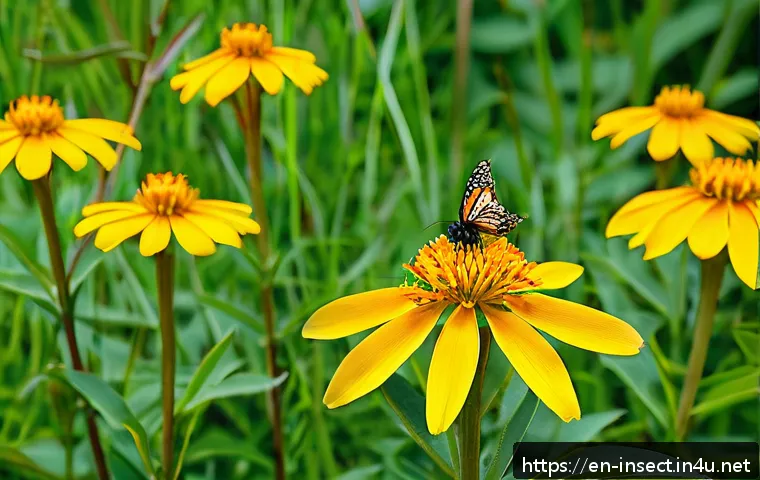
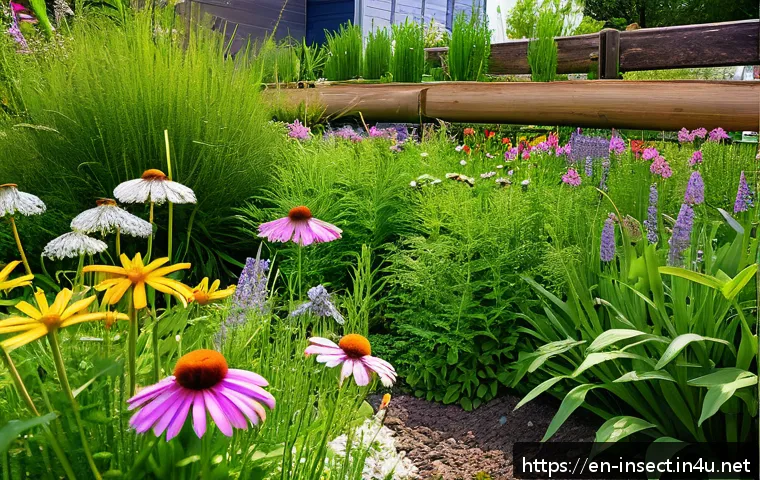
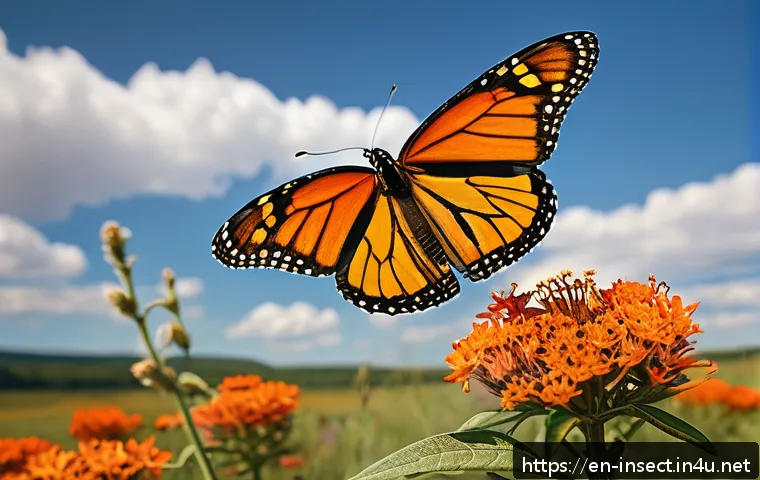
One of the easiest and most effective ways we can help insects is by transforming our own gardens and local green spaces into havens for them. This means planting a diverse array of native flowers, shrubs, and trees. Native plants are perfectly adapted to support local insect species, providing the specific nectar, pollen, and host leaves they need. Forget the sterile, exotic ornamentals that offer little nutritional value. I’ve seen a dramatic increase in bee and butterfly activity in my own garden since I started focusing on native wildflowers like coneflowers and milkweed. Furthermore, consider providing water sources, like a shallow bird bath with stones for insects to land on, and leaving some areas untidy – a pile of logs, a patch of fallen leaves, or a small brush pile can provide crucial shelter and overwintering sites for many insects. It’s about embracing a bit of wildness and understanding that a “perfect” garden isn’t necessarily the most ecologically beneficial one. A little less tidiness can go a long way in supporting a thriving insect community right outside your door.
Reducing Chemical Dependency
Perhaps the most critical individual action we can take is to drastically reduce our reliance on chemical pesticides and herbicides. These chemicals are broad-spectrum killers that don’t discriminate between “good” bugs and “bad” bugs, wiping out entire populations and disrupting the delicate balance of ecosystems. Instead, embrace integrated pest management (IPM strategies that prioritize natural solutions. Encourage beneficial insects, like ladybugs and lacewings, to take care of pests naturally. Use companion planting to deter pests. If you have a serious pest problem, try organic, targeted solutions first, and always as a last resort. I’ve found that simply tolerating a few chewed leaves is a small price to pay for a thriving, chemical-free garden buzzing with life. It’s about shifting our mindset from immediately reaching for a spray bottle to understanding that nature often has its own solutions if we just let it do its job. Every single lawn and garden that goes pesticide-free makes a tangible difference in the survival of our precious insect populations.
The Economic Web: How Insects Keep Our World Spinning
It’s easy to think of insects as just… bugs, sometimes annoying, sometimes beautiful. But when you start to pull back the layers, you realize they are absolutely fundamental to the global economy, far beyond just pollinating our food. The economic value of insects is staggering, yet often invisible until things start to go wrong. Consider all the ‘free services’ they provide: pest control, waste decomposition, soil aeration, and even as a direct food source for aquaculture and livestock. The ecosystem services provided by insects are valued at hundreds of billions of dollars globally each year. If we had to pay for these services, the cost would be astronomical, making our current economic models completely unsustainable. I’ve been digging into the numbers, and it truly puts things into perspective. For instance, the natural pest control provided by predatory insects saves farmers billions in pesticide costs and lost crops. Without dung beetles, the accumulation of animal waste would become a massive problem, impacting grazing lands and contributing to greenhouse gas emissions. Their absence would necessitate enormous investments in artificial waste management systems. And what about the pharmaceutical industry? Many medicines, past and present, have been derived from compounds found in insects or their products. It’s a web of interconnected services that underpins agriculture, forestry, and even our health. The decline of insects isn’t just an environmental concern; it’s a massive economic threat that could lead to widespread instability and increased costs across virtually every sector. We’re essentially losing our cheapest and most efficient workforce, and the long-term consequences are truly frightening for our global financial health.
Unsung Heroes of Waste Management
When we talk about waste, we often think of landfills, but insects are the original and most efficient waste managers on the planet. Take dung beetles, for instance. They play a critical role in quickly breaking down animal waste, preventing the spread of diseases, improving soil fertility, and even reducing greenhouse gas emissions. Imagine pastures without them – the accumulation of manure would be overwhelming, reducing grazing land and polluting waterways. I’ve read studies estimating their economic value in the billions, simply from this one, often unappreciated, service. Then there are detritivores like termites and various fly larvae, which break down dead plant and animal matter, recycling vital nutrients back into the ecosystem. Without these tiny scavengers, our world would quickly become choked with decaying organic material, and the carbon and nutrient cycles would grind to a halt. It’s a foundational service that we literally cannot live without, and the economic cost of replacing it would be astronomical, if even possible.
Natural Pest Control and Agricultural Savings
Here’s another huge economic contribution: natural pest control. While we often focus on the “pest” insects, there are countless beneficial insects that prey on or parasitize crop-damaging species. Ladybugs devouring aphids, parasitic wasps controlling caterpillars, ground beetles hunting slugs – these are just a few examples of insects providing invaluable services to agriculture. I’ve spoken with organic farmers who rely heavily on these natural predators to keep their crops healthy without resorting to expensive and environmentally damaging chemical pesticides. The economic savings from this natural pest control are immense, preventing billions of dollars in crop losses and reducing the need for costly chemical interventions. If these natural predators disappear, farmers would face increased costs, lower yields, and a greater dependency on unsustainable practices, ultimately impacting food prices and availability. It’s a clear example of how investing in insect conservation is not just an environmental choice, but a smart economic one as well.
| Threat Category | Primary Drivers | Consequences for Insects | Broader Ecosystem/Human Impact |
|---|---|---|---|
| Habitat Loss & Fragmentation | Agricultural Expansion, Urbanization, Infrastructure Development | Loss of food sources, breeding grounds, increased isolation, reduced genetic diversity | Reduced biodiversity, disruption of food webs, ecosystem instability |
| Pesticide Use | Industrial Agriculture, Pest Management | Direct mortality, sub-lethal effects (navigation, reproduction), contamination of food sources | Pollinator decline, disruption of natural pest control, food chain contamination |
| Climate Change | Greenhouse Gas Emissions, Global Warming | Altered life cycles, range shifts, extreme weather impacts, physiological stress | Agricultural instability, species extinctions, ecosystem collapse, increased disease vectors |
| Light Pollution | Artificial Night Lighting (Urban, Industrial) | Disrupted navigation, increased predation, energy depletion, reproductive failure | Decline of nocturnal pollinators, disruption of nocturnal food webs, reduced ecosystem services |
| Invasive Species | Global Trade, Human-Assisted Spread | Competition for resources, predation on native insects, disease transmission | Loss of native biodiversity, altered ecosystem functions, agricultural damage |
글을 마치며
Whew! We’ve covered a lot today, and I know it can feel pretty heavy to think about all the challenges our insect friends are facing. It truly breaks my heart to see these essential creatures struggling, but my biggest hope is that by understanding these issues, we can all feel empowered to make a positive change. Remember, every tiny insect plays a monumental role in keeping our world healthy and vibrant. It’s a reminder that we’re all connected in this incredible web of life, and our actions, no matter how small, truly matter. Let’s work together to give our buzzing, fluttering, and crawling neighbors the thriving future they deserve.
알아두면 쓸모 있는 정보
1. Go Native! When choosing plants for your garden, always prioritize native species. They provide the specific food and habitat that local insects have evolved to rely on, making your yard an instant haven for them.
2. Ditch the Sprays: Seriously, try to eliminate pesticides and herbicides from your routine. Embrace a little bit of “wild” in your garden – those dandelions might be a vital early food source for bees! If you must intervene, look for organic, targeted solutions as a last resort.
3. Light Up Responsibly: If you have outdoor lighting, consider switching to motion-activated lights or using warm-toned, downward-facing fixtures. Reducing light pollution can make a huge difference for nocturnal insects and their navigation.
4. Create a “Messy” Corner: Leaving a small patch of your yard undisturbed – a log pile, fallen leaves, or a patch of taller grasses – can provide crucial shelter and overwintering sites for many beneficial insects. It’s amazing what a little untidiness can do!
5. Educate and Advocate: Share what you’ve learned with friends and family. Support local initiatives and organizations dedicated to insect conservation. Your voice can help raise awareness and inspire larger community efforts.
중요 사항 정리
The decline of insect populations is a critical issue driven by multiple factors, including habitat loss, pesticide use, climate change, and light pollution. These tiny creatures are indispensable for our food security, ecosystem stability, and overall economic well-being, providing invaluable services like pollination, waste decomposition, and natural pest control. While the scale of the challenge can seem daunting, individual and collective actions, such as planting native species, reducing chemical use, and creating insect-friendly spaces, offer tangible pathways to foster their recovery and ensure a healthier planet for everyone.
Frequently Asked Questions (FAQ) 📖
Q: Why should I even care about insects?
A: ren’t they just bothersome sometimes?
A1: You know, it’s totally understandable to sometimes view insects as, well, a bit of a nuisance. I mean, who hasn’t been annoyed by a mosquito or an ant marching across the kitchen counter?
But trust me when I say, that perspective really misses the bigger, utterly crucial picture. From my own observations, when you take a moment to truly appreciate them, you realize these tiny creatures are actually the ultimate unsung heroes of our planet!
Think about it: a whopping one-third of the food we eat, from juicy apples to our morning coffee, relies on insect pollination. Without bees, butterflies, and countless other little helpers, our plates would look pretty sad, and our grocery bills would skyrocket.
Beyond the dinner table, they’re also nature’s cleanup crew, tirelessly breaking down waste and enriching our soil, which is vital for healthy plants.
And let’s not forget, many insects are natural pest controllers, keeping other, truly destructive bugs in check. When I spend time in my garden, I see firsthand how a ladybug munches on aphids, or how a bee zips from flower to flower, and it makes me feel so connected to this intricate web of life.
If we lose them, it’s not just a few annoying bugs gone; it’s the very foundation of our ecosystems trembling, with potentially catastrophic consequences for everything from our food supply to the air we breathe.
It’s a sobering thought, but it makes caring about them feel a lot less like an obligation and more like a shared responsibility for our future.
Q: What’s really causing this massive drop in insect numbers? Is it just one thing, or something more complicated?
A: That’s a fantastic question, and honestly, if it were just one simple thing, we’d probably have an easier time tackling it! From what I’ve learned and personally witnessed, it’s a really tangled web of issues that’s unfortunately pushing our insect populations off a cliff.
The biggest culprit, in my opinion, has to be habitat destruction. As our human footprint expands, we’re paving over wild spaces, converting diverse natural landscapes into monoculture farms or sterile urban areas.
I’ve seen it firsthand in my own community—a vibrant meadow I used to explore as a kid, teeming with butterflies and grasshoppers, is now a soulless strip mall.
This just leaves insects with nowhere to live, nowhere to feed, and nowhere to reproduce. Then there are pesticides, which are truly devastating. While they’re designed to kill specific pests, they often wipe out non-target insects too, like our precious pollinators.
It’s like using a sledgehammer when you need a scalpel. And let’s not forget climate change, which throws everything out of whack. Unpredictable weather patterns, extreme heatwaves, and altered seasonal cues can disrupt insect life cycles, forcing them to emerge too early or too late for their food sources.
It’s a relentless one-two-three punch, and it breaks my heart to see how these factors are converging to create a truly dire situation for our tiny heroes.
Q: This sounds pretty serious. What can an average person like me actually do to make a difference?
A: I hear you, and it’s easy to feel overwhelmed when faced with such a huge global challenge. But trust me, even small, consistent actions from each of us can create a ripple effect and make a real difference.
I’ve found that when you start taking steps, it not only helps the insects but also makes you feel more empowered and connected to nature. First off, if you have a yard or even a balcony, consider planting native flowers, shrubs, and trees.
These provide crucial food and shelter for local insects, and it’s amazing how quickly your space can transform into a buzzing hub of life! I started turning a neglected corner of my own backyard into a mini-meadow, and the sheer joy of seeing bees and butterflies return was just incredible.
Secondly, try to reduce or completely eliminate pesticide use in your garden. There are so many fantastic organic and natural pest control methods out there that won’t harm beneficial insects.
Thirdly, and this is a big one, support local, sustainable farms that prioritize eco-friendly practices. Every dollar you spend sends a message. You can also create simple insect hotels or leave a small patch of your garden a little “wild” for them.
And honestly, simply talking about this issue with friends and family, sharing what you’ve learned, helps raise awareness. It might seem like a drop in the ocean, but I genuinely believe that if enough of us commit to these changes, we can collectively offer a lifeline to our invaluable insect populations.
Let’s start making a difference together!